Low Head Dam Safety
Be Dam Aware
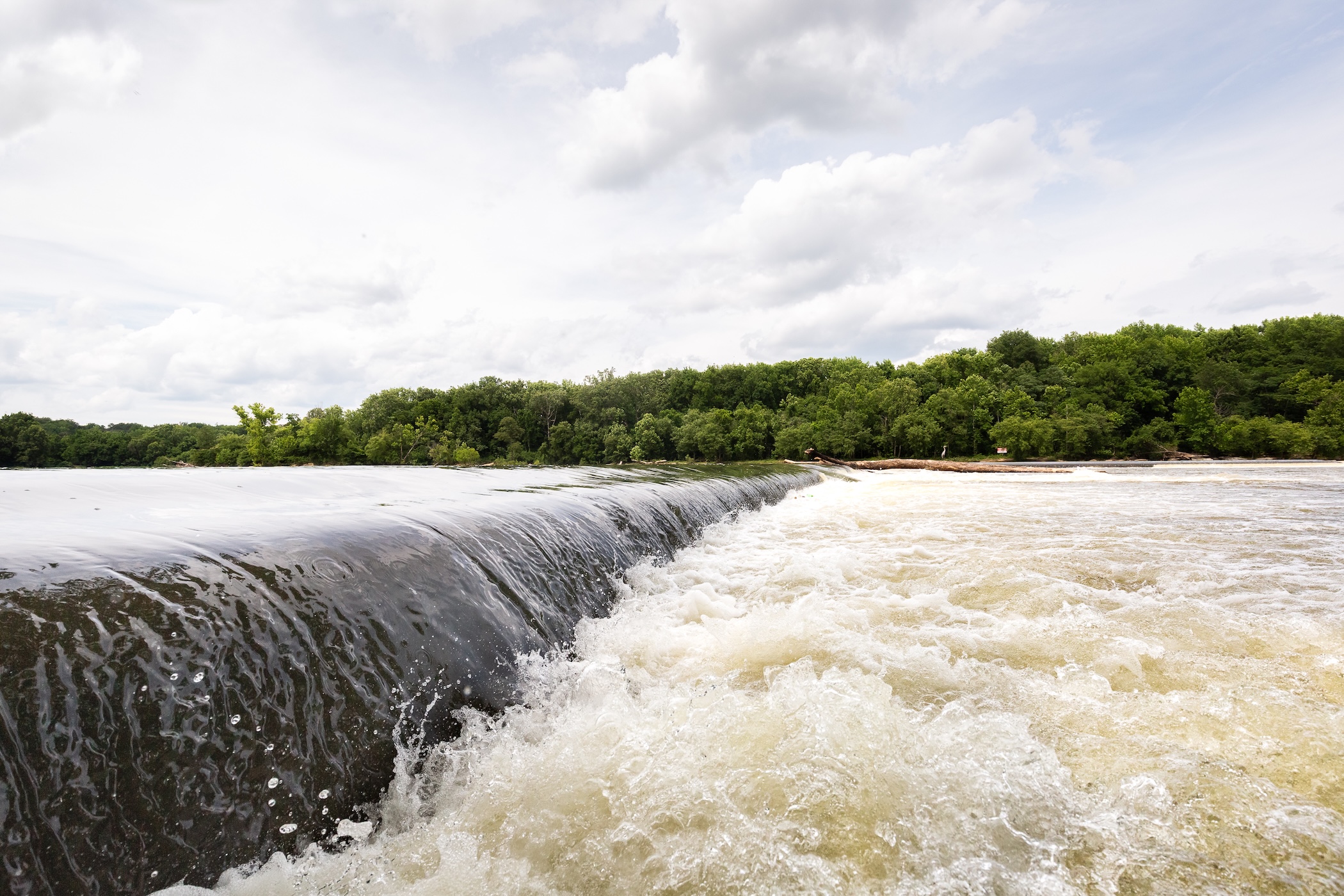
Thousands of low head dams have been built on rivers across the country. Typically less than 15 feet tall, these dams were originally built to serve local needs such as providing water for irrigation, powering mills and factories, supporting navigation, or maintaining water supplies. Low head dams were originally constructed to serve practical and economic needs during a time when rivers were critical to local industry and agriculture. Today, many of these dams remain in place, outdated and unneeded, even as the industries they once supported have long since moved on or changed.
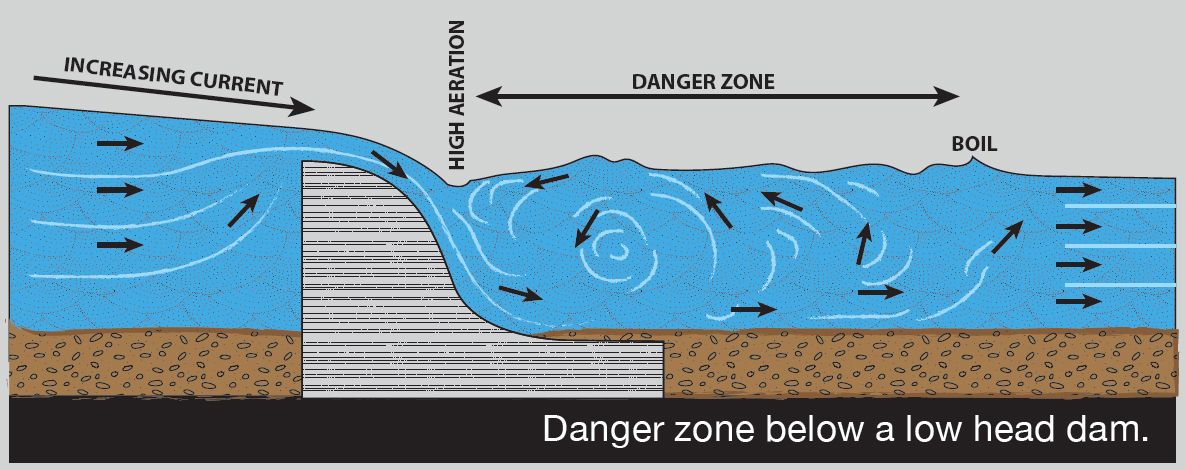
Despite their modest size, low head dams can pose outsized risks to public safety. The structures are designed to allow water to continuously flow over the crest of the dam, which can create a washing-machine-like hydraulic at the base of the dam. This hydraulic, often called a “drowning machine,” can trap and hold swimmers, paddlers, and even rescuers underwater.
Across the country, at least 792 fatalities have occurred at low head dams.
In addition to safety risks, these dams block fish migration, starve downstream ecosystems of critical sediment, and disrupt the natural flow of rivers. Across the country, communities are finding common ground in rethinking the future of these outdated structures, which has led to more and more of these structures being removed each year. As we’ve seen in successful dam removals nationwide, when rivers are restored, everyone benefits—from local economies to ecosystems and from recreational users to future generations.
What is a low head dam?
A low head dam is a human-made structure that spans the full width of a river and is designed to allow water to continuously flow over it. These dams are typically less than 25 feet high and are not designed to provide flood control.
Are low head dams Dangerous?
Low head dams are deceptively dangerous. They should be avoided at all costs by river recreators, no matter what the river level is. Low head dams earned the nickname “drowning machines” because they create a recirculating washing machine-like feature at the base of the dam that does not allow people to swim out of it.
The danger exists on both sides of the structure. From upstream, low head dams can be difficult to recognize until it is too late to avoid them. From downstream, the circulating current can pull boats and people back toward the dam and into the hydraulic.
Rescue is extremely difficult, and many fatalities include would-be rescuers attempting to help others.
Who regulates low head dams?
Most low head dams fall outside state dam safety jurisdiction, which primarily addresses structural failure rather than day-to-day public safety. While some states require warning signage, enforcement is often limited by gaps in authority and resources.
As a result, known lethal hazards can remain in place for decades without meaningful intervention. Many of these dams no longer serve a critical purpose. Removing obsolete low head dams is one of the most effective ways to eliminate this risk.
Low Head Dam Hydraulics
How to identify a
low head dam
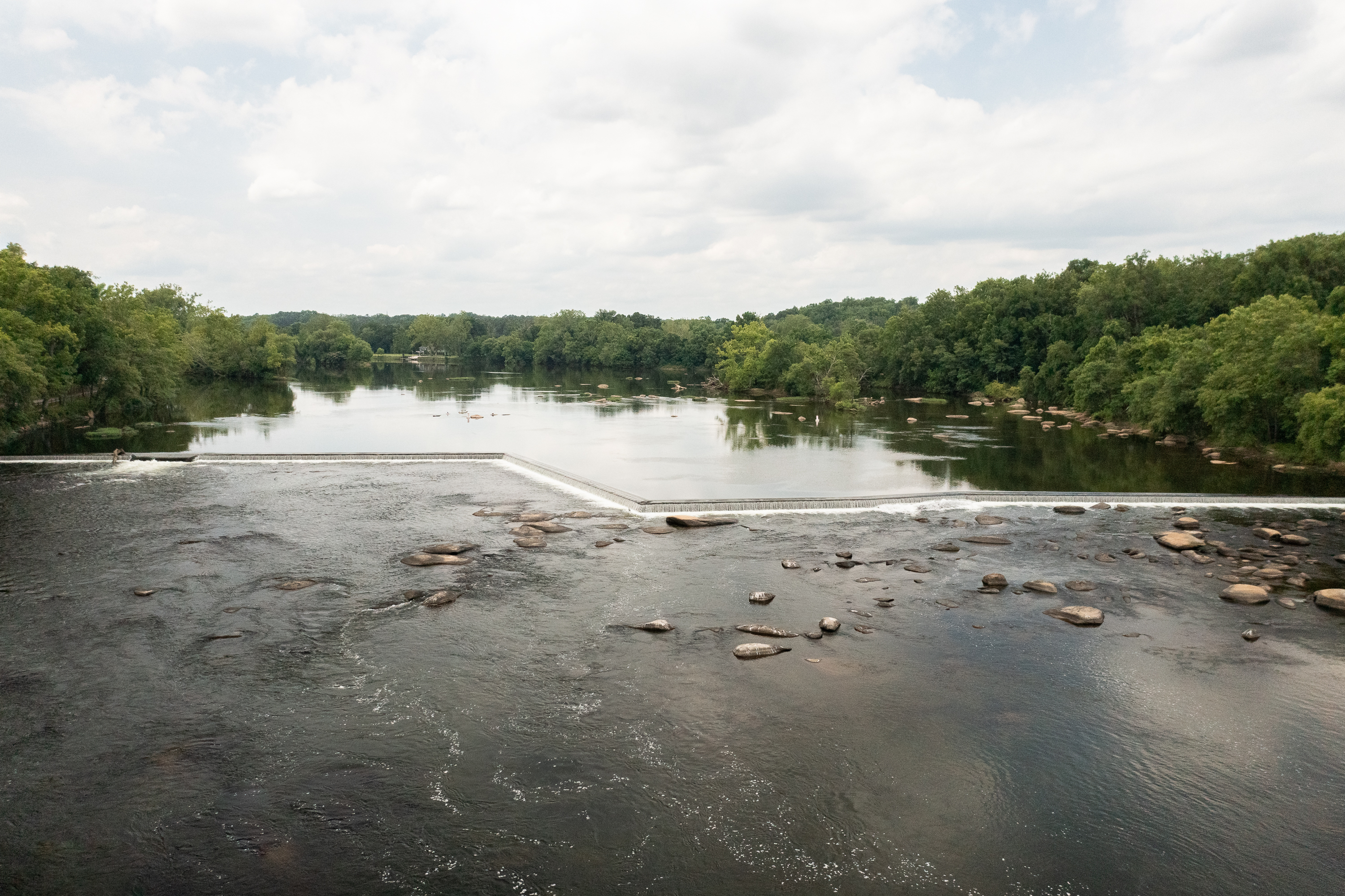
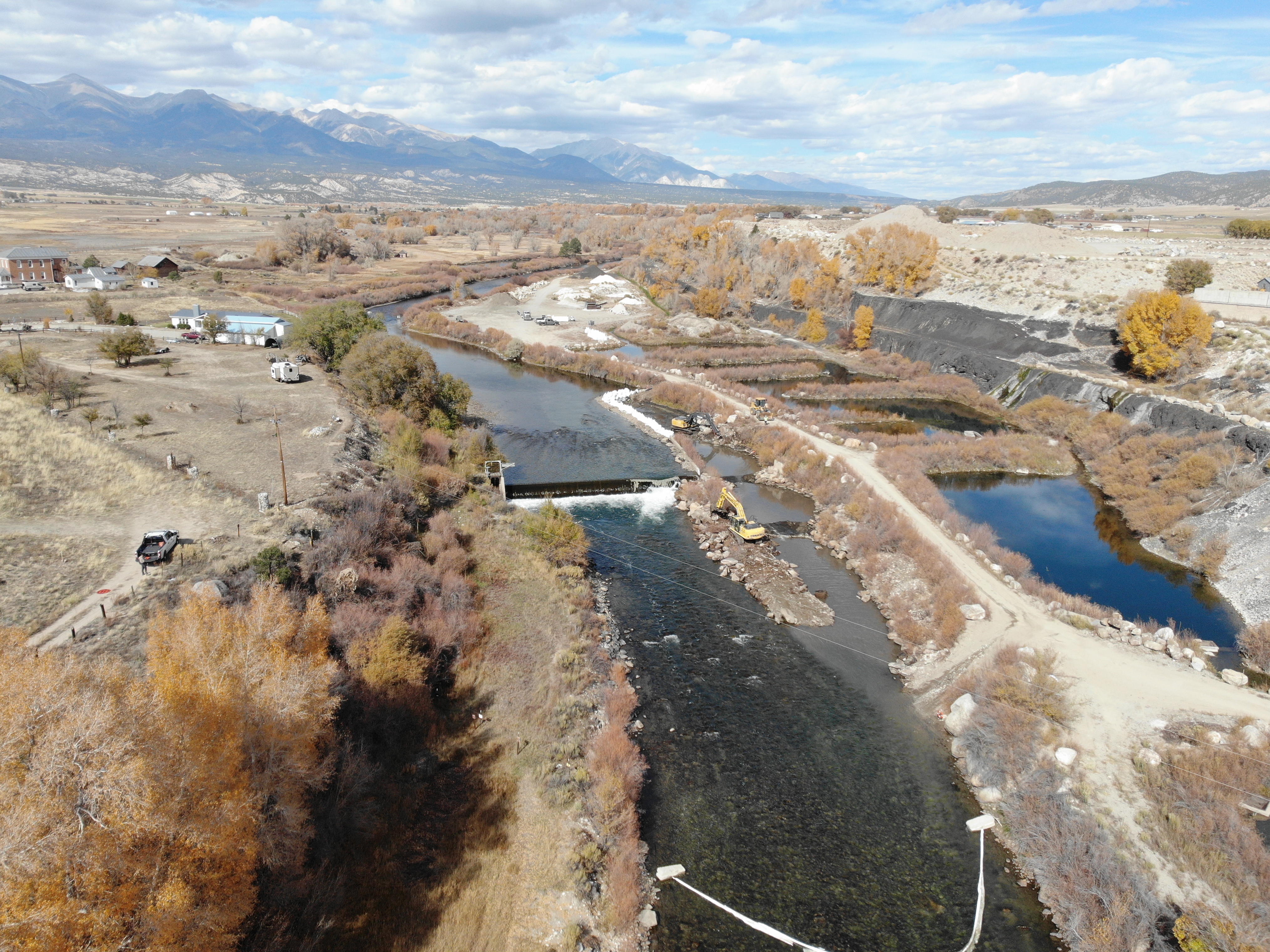
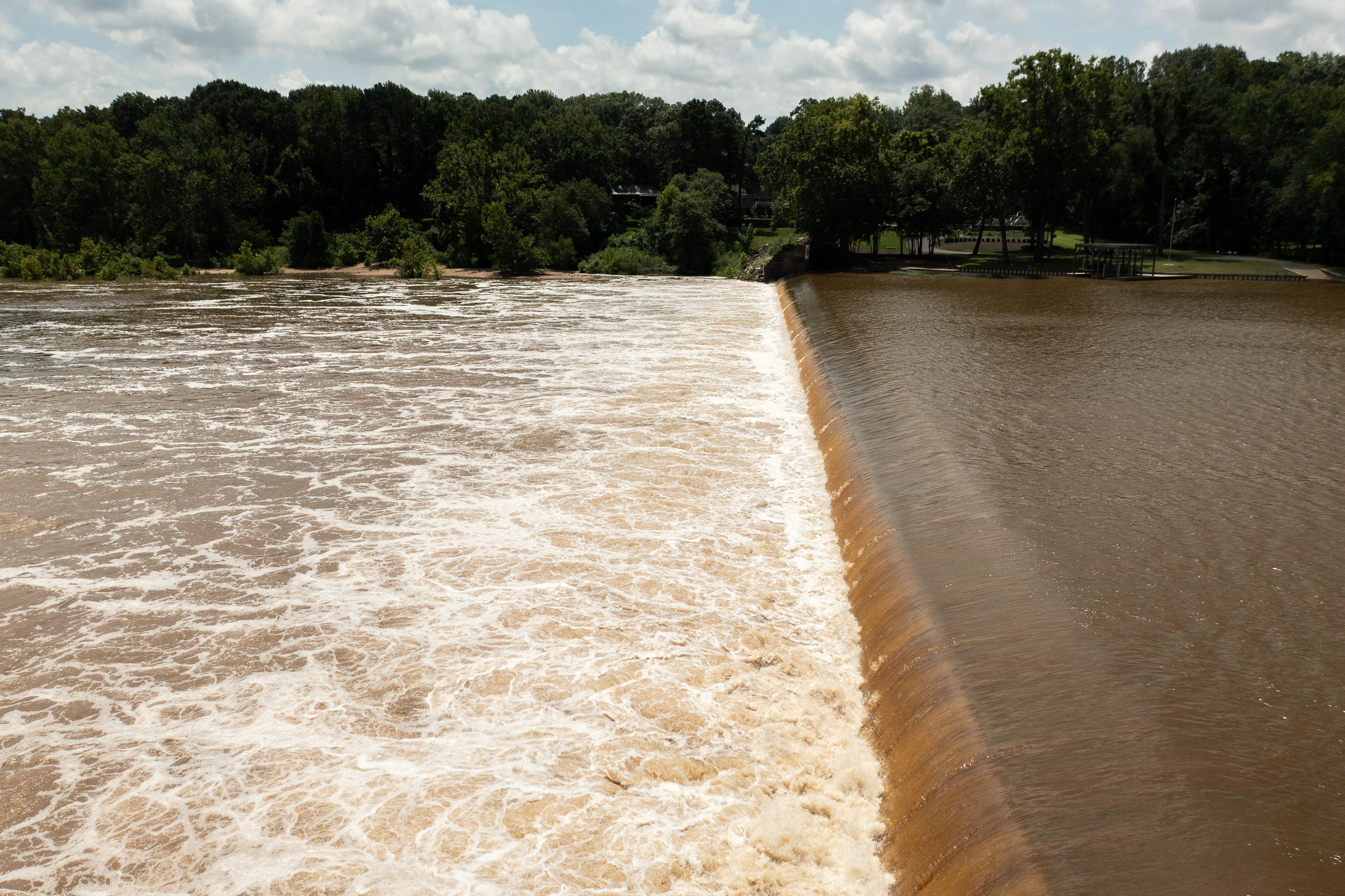
A low head dam is a human-made structure that spans the full width of a river and is designed to allow water to continuously flow over it. These dams can be difficult to see when approaching from upstream. Look out for signs, buoys, and paths to get out and walk around the dam, but remember that not all dams are marked.
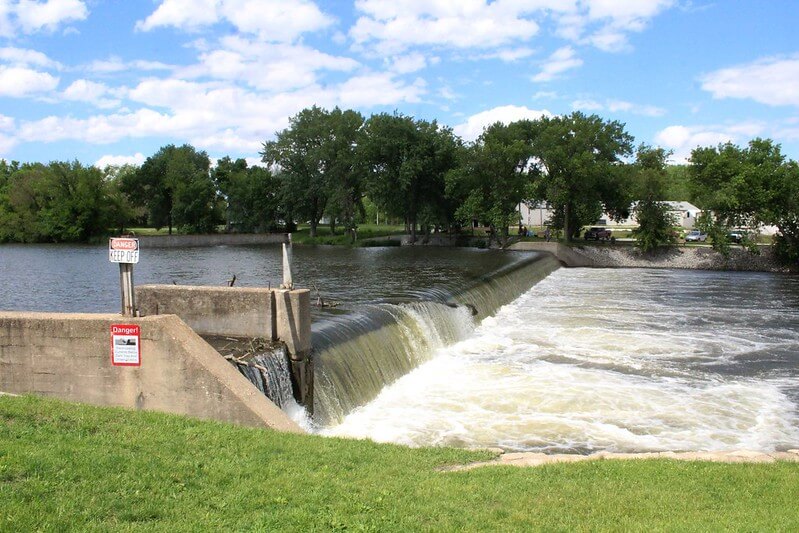
Low head dams can be hard to identify from upstream. Click on these pictures to see if you can locate the dam
Low Head Dam Resources
American Rivers is working with several partners to elevate the public safety issues around low head dams. Explore these resources to learn more.
Low Head Dam Inventory
The U.S. Army Corps of Engineers now has the Low Head Dam Inventory, a national database identifying the location of low head dams.
Low Head Dam Fatality Database
Brigham Young University has been working with partners to track fatalities at low head dams. They have 789 fatalities on record across the country, with one individual dam claiming at least 29 lives.
Removed Dams
American Rivers hosts the most comprehensive dam removal dataset. You can see which dams have been removed, including low head dams.
Over, Under, Gone
Check out this video from Indiana highlighting the dangers of low head dams, the impacts of fatalities on communities, and the benefit of removing these structures.
Be Dam Aware: How to Stay Safe
Is there a low head dam near me?
Research your river route in advance and check out the Low Head Dam Inventory to identify any dams along your path.
What do I do if I come across a low head dam?
Portage the dam. Portage means to get out of the water and walk around the dam with your boat or watercraft. Make it a point to get to the riverbank sooner than you think you will need to and wait until you are far away from the dam downstream before getting back in the water. Remember that water moves faster than it appears, especially at higher flows.
If I am on the river, how do I know if a low head dam is near me?
Stay alert. Low head dams can be difficult to see from upstream. There will be a subtle “horizon line” where you see the crest of the dam with the downstream section of the river below. Watch for warning signs, buoys, or changes in water flow—but be aware that these markers are often absent.
Low head dams are dangerous to people both upstream and downstream of the dam, so keep your distance at all times. Even if you are downstream of the dam, the strong current can pull you upstream and into the dangerous water.
What should I do if someone is caught in a low head dam?
If someone is caught in a dam, do not enter the water. Call 911 immediately and assist from shore if possible. Attempting a rescue in the hydraulic can be deadly.

Fast facts about low head dams
-
13,500+
Low head Dams in the Country
-
792
Low head Dam Fatalities
-
50+
Low head Dams Removed
Low head dam safety awareness month
April is designated as Low Head Dam Public Safety Awareness Month to help educate the public about the risks of low head dams and prevent future fatalities. It is important to Be Dam Aware! Know where dams are if you are going out on the river. Always get out and go around the dam on your way down the river.
Click on and print this handout to bring to your next river community event to help everyone
Be Dam Aware!
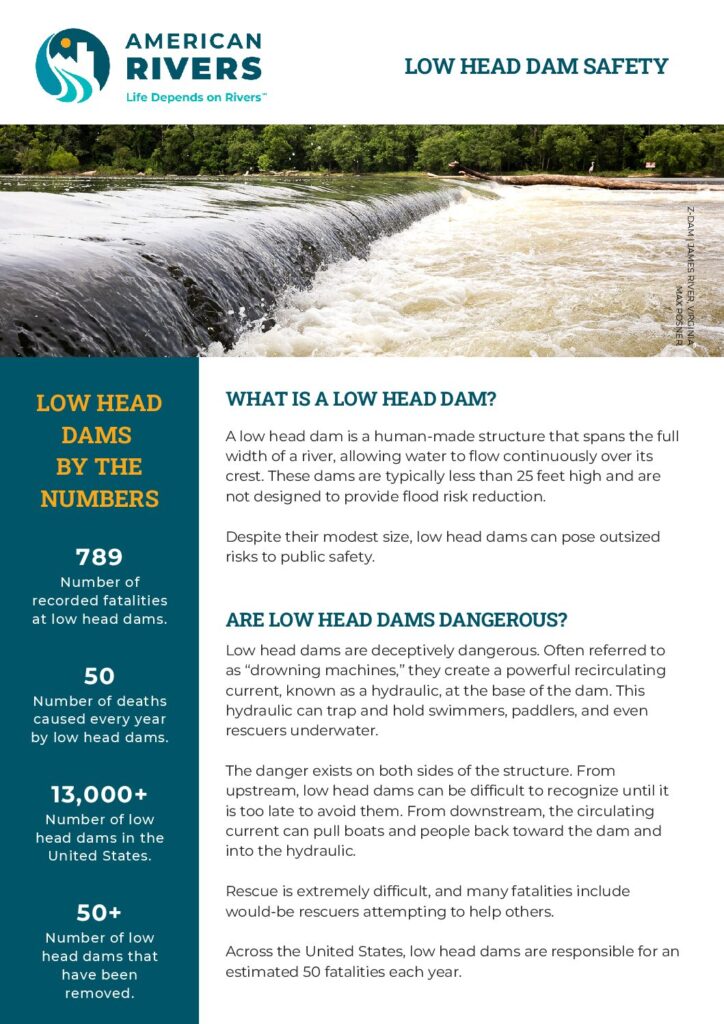
Drowning Machines: The Danger of Low Head Dams and What We Can Do to Fix It
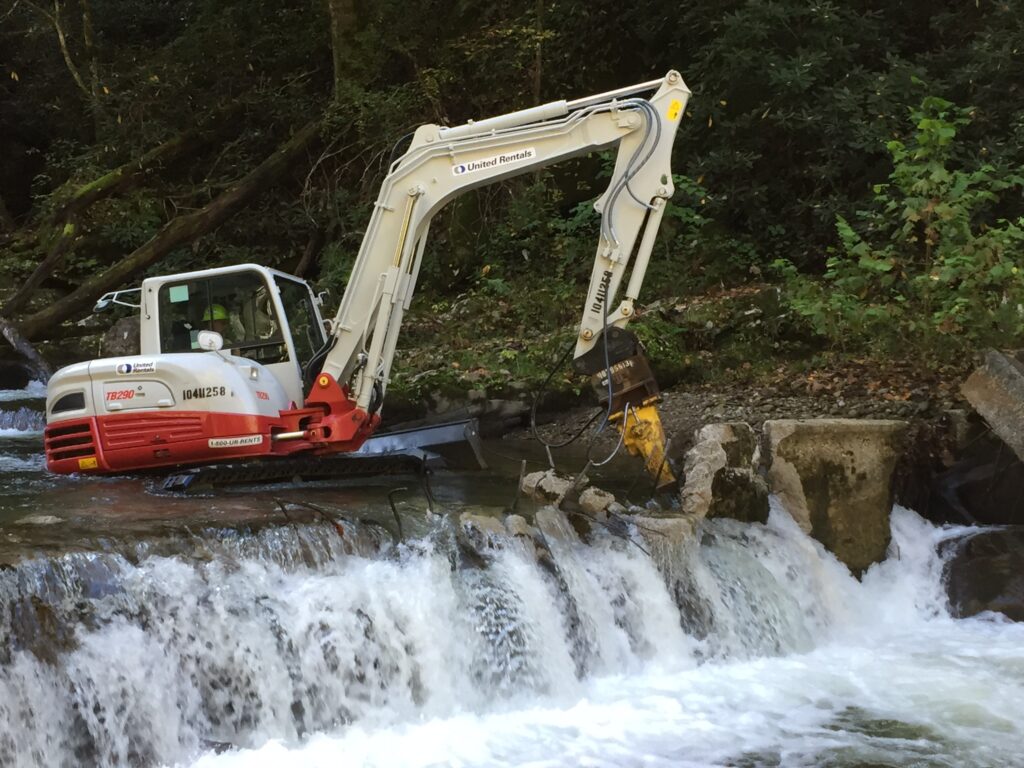
Learn More about Dam Removal in the U.S.
Subscribe to receive news and updates
Be among the first to hear about all of our dam removal work across the country. Together, we can protect the source of all life — our rivers.