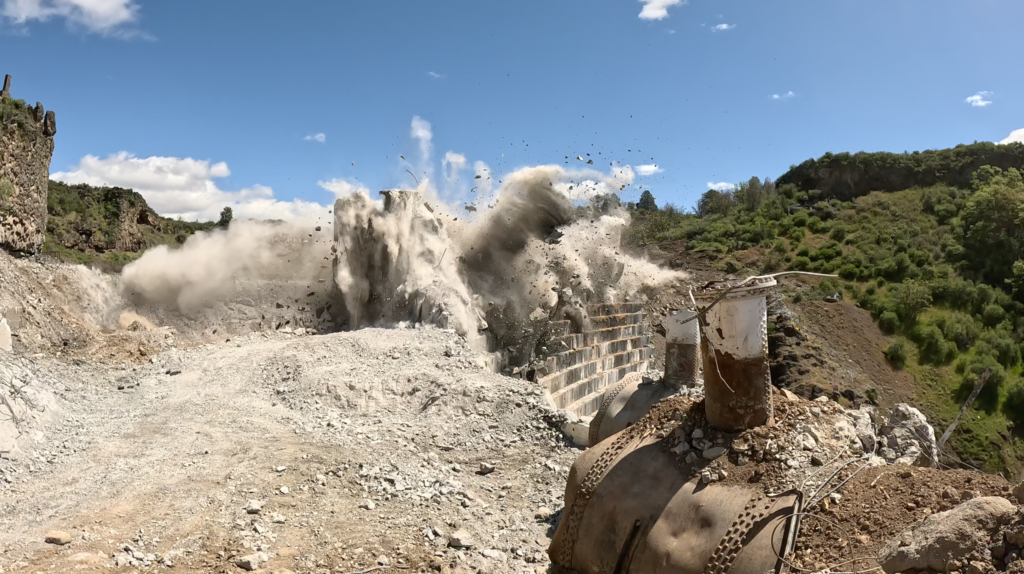
Dam Removal in California
Few things have such a fundamental impact on a river as a dam. Removing dams and restoring rivers benefits California communities by improving water quality, addressing public safety risks, and enhancing ecological health. We bring expertise to dam removals, manage projects, train others, and work on state and federal policies to improve the practice of river restoration in California.
Why should we remove dams?
-
Remove a public safety risk
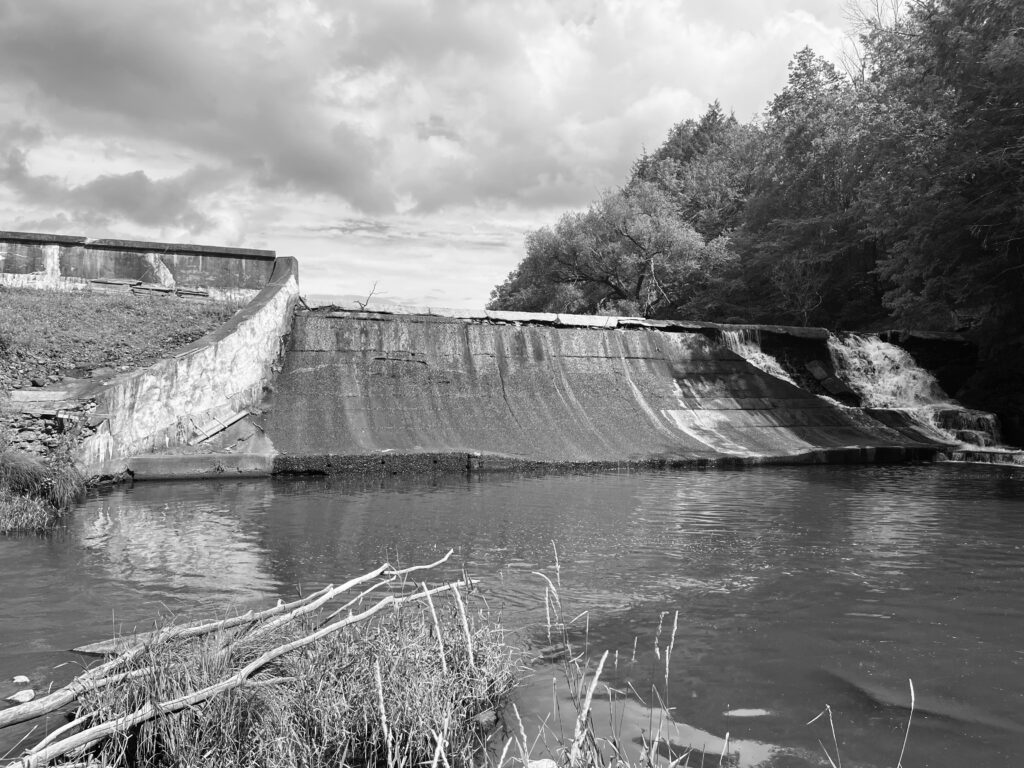
Many of California’s obsolete dams are “low-head dams” or small river structures that are typically less than 15 feet tall. Despite their small size, these dams pose significant risks to recreators, sometimes causing fatalities.
Why remove obsolete low-head dams?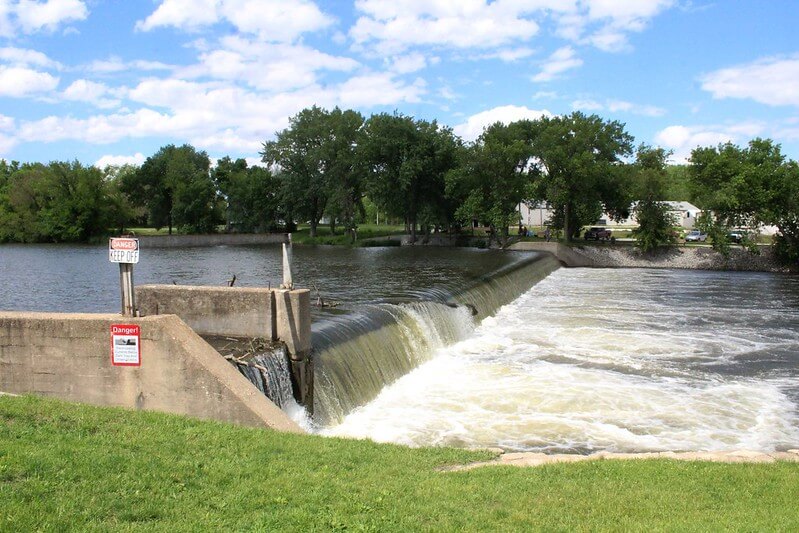
-
Improve water quality
Dam removals can reduce water temperatures and prevent harmful algal blooms that impact the availability of high-quality drinking water.
How Dams Damage Rivers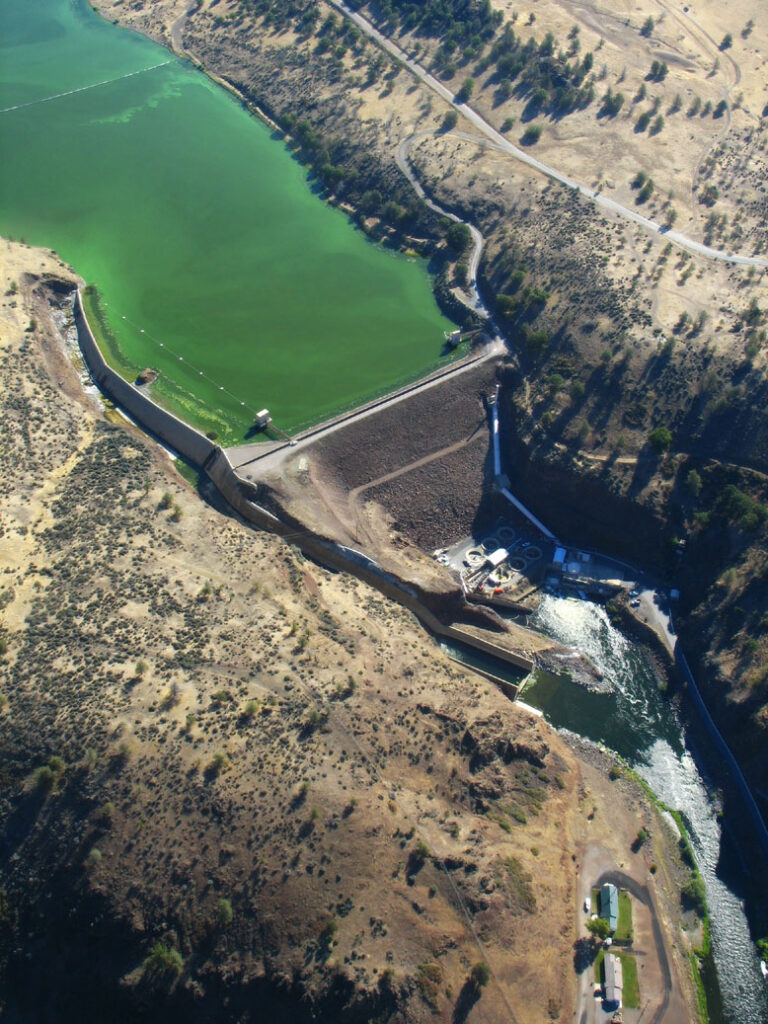
-
Provide economic benefits
Dam removals are job creators, yielding up to 18 jobs per $1 million spent on restoration work. Following removal, free flowing rivers can support recreation economies through restoration of opportunities for fly fishing, river rafting, water trails, and more!
Rivers as Economic Engines
-
Restore aquatic habitat
Dam removals improve broader ecosystem health by restoring nature-based processes, fish passage, and natural flow regimes that support cold water fisheries.
Biodiversity and Rivers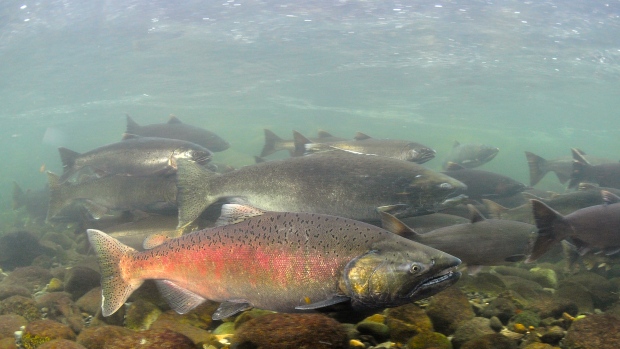
-
Restore Tribal cultural practices
Removing dams from rivers can begin to address generations of environmental injustice, including displacement, unrecognized sovereignty, disrupted ceremonial and cultural practices, and food security. In particular, many of California’s Indigenous Tribes relied on salmon for sustenance as a first food and as the center of their cultural identity. Dam removals can also restore cultural practices, including fish harvests, and opens access to areas that are culturally important for Tribes.
Honoring Indigenous leadership in river protection
-
Enhance climate resilience for communities and ecosystems
Most dams in the U.S. were constructed before 1980 and were designed to withstand the largest predicted storms at that time. Changing precipitation patterns influence both dam safety and water management, creating risk to downstream communities and the availability of water supply storage.
Dam removal and extreme weather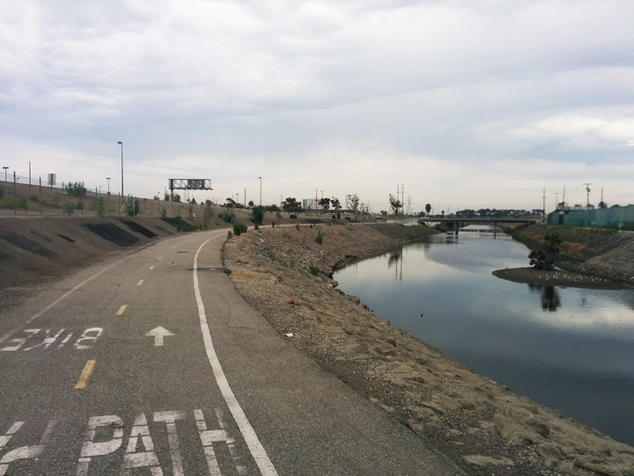
Removing dams across California
There are over 8,000 dams blocking rivers and their tributaries across California, with an average age of more than 70 years. While some dams still serve a purpose, many are abandoned or have outlived their useful life. These deadbeat dams cause significant ecological damage and put communities at risk of dam failure.
Through our Active 150 tool, American Rivers brings together ecological, social, and feasibility data to help dam owners, Tribes, agencies, communities, and conservation partners make well-informed decisions about which removal opportunities to pursue. This shared foundation supports collaboration and helps direct limited resources toward projects with the greatest potential benefits for people and wildlife.
American Rivers works in coalition with partner NGOs, dam owners, agencies, Tribes, landowners, and others to advance a pipeline of dam removals, large and small, that create outsize impacts for communities and wildlife. Specifically, American Rivers advances dam removal in California by:
- Identifying the most promising opportunities.
- Building coalitions to further removals.
- Helping dam owners and partners navigate complex projects.
- Removing policy and permitting barriers.
- Demonstrating what is possible through high-impact projects.
- Scaling lessons from individual projects.
- Supporting partner fundraising and cultivating new funding sources.
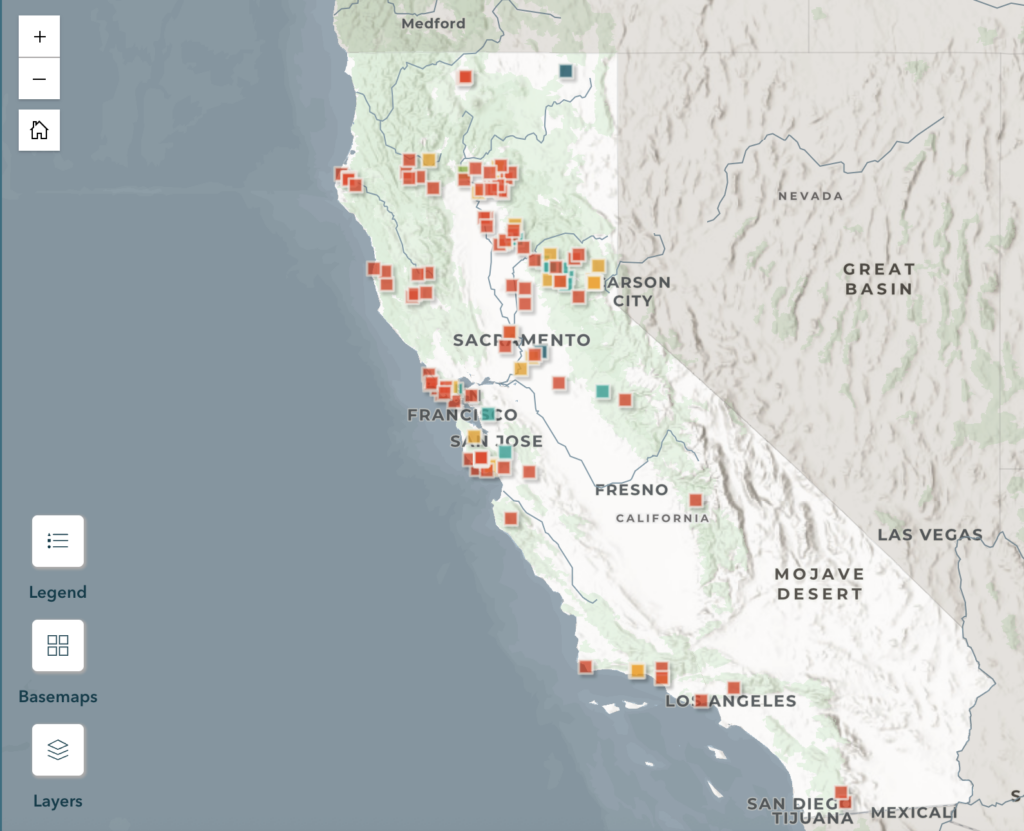
California Active 150 Tool
Explore our in-depth resource that identifies the 150 most achievable and impactful dam removal opportunities in California.
Want to learn more? Read our Active 150 Report, which explains how we identify, catalog, and advance dam removal opportunities at the landscape scale.
The benefits of small dam removals
California’s rivers are connected networks, and thousands of small dams can fragment those systems by blocking fish passage, degrading habitat, and increasing water temperatures. Small dams also pose a risk to communities, too: lowhead dams are commonly called “drowning machines” because of the dangerous hydraulics they make where people also recreate. Removing even small barriers can deliver significant benefits to both ecosystems and communities: after the 12-foot Mill Creek Dam in Santa Cruz County was removed, federally endangered coho salmon and steelhead were documented accessing habitat that had previously been blocked, while floodplain restoration also supported groundwater recharge.
To achieve American Rivers’ ambitious goal of removing 30,000 dams by 2050, we are prioritizing small dam removals as a key strategy with a big impact. Our watershed-wide approach to river restoration not only emphasizes the impact of small dams, but also maps and measures the potential impact of removal.
With so many potential projects across the state, American Rivers developed the California Active 150 dam removal prioritization tool to identify and prioritize dam removals that can deliver the greatest ecological, climate resilience, and community benefits. By combining strategic prioritization with partnerships and investment, Active 150 provides a pathway for scaling dam removal and restoring healthier, more connected rivers throughout California.
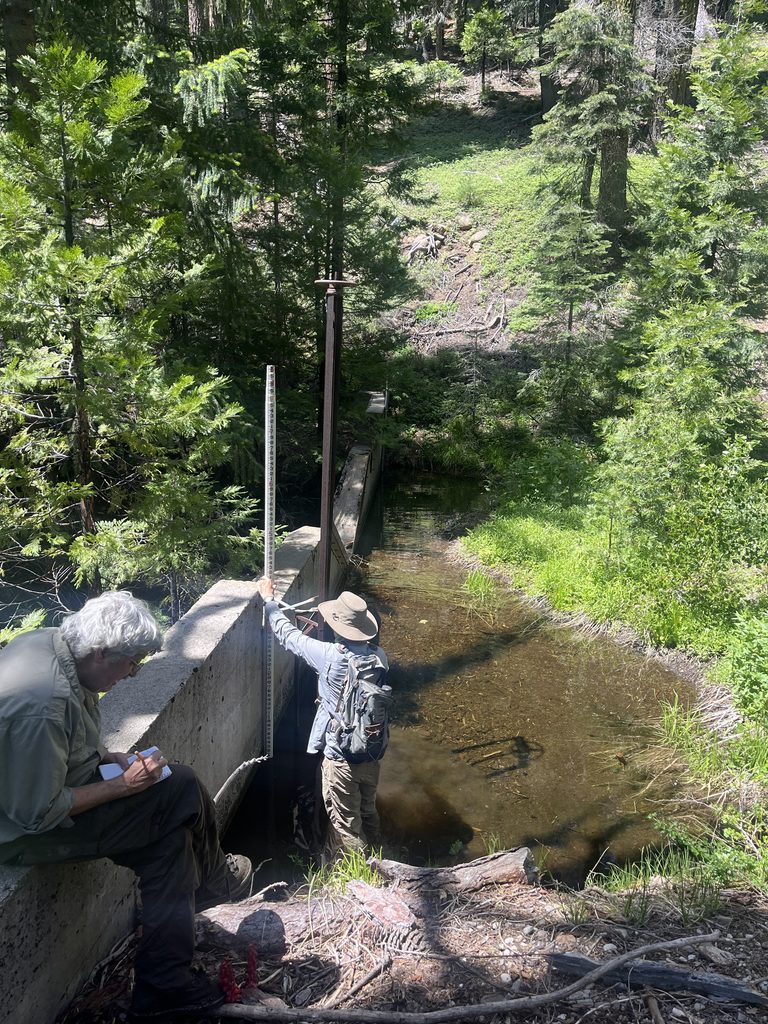
The removal of numerous small dams throughout a watershed can create outsize landscape-scale impacts that heal a river. American Rivers is advancing a series of dam removals on Forest Service Lands and in the Battle Creek watershed alongside partners to realize the benefits of small dam removals.
Interested in removing a local dam that is under 25 feet tall? For information on how to remove a small dam, check out our Small Dam Removal Permitting resources, developed in partnership with Sustainable Conservation and Resources Legacy Fund.

Dam Removal in California
-
8,066
inventoried dams
-
72
average age of California dams
-
1,106
dams labeled "high-hazard"
-
525
inventoried low-head dams
-
190
California dams removed
-
23
fatalities at low-head dams in California
Featured Article
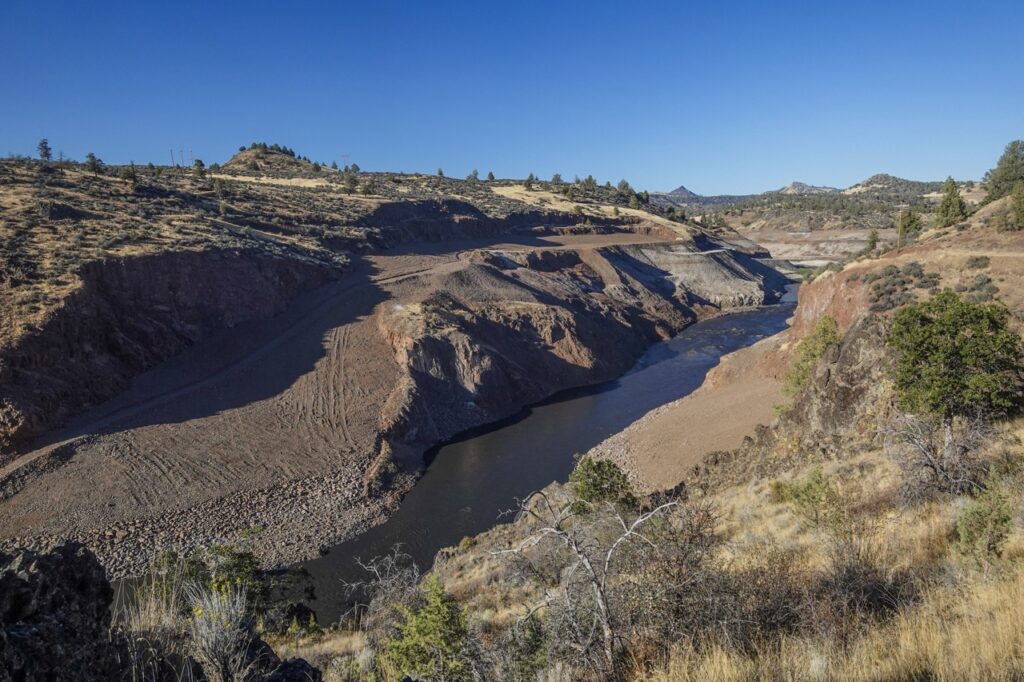
The Klamath Dam Removals: A Story of People and Possibility
As I stood on a bridge and looked upstream along the Klamath River, I felt confused. For over 15 years, I had stood in the same stop and gazed on the earthen face of Iron Gate Dam […]
FAQ
American Rivers’ dam removal work focuses on all bank-to-bank structures that impact river processes. The California Water Code definition of a dam is narrower, focusing on bank-to-bank barriers that are generally 25 feet in height or taller, or impound a significant volume of water (e.g., a reservoir).
Our Active 150 tool helps partners identify excellent dam removal opportunities based on a combination of factors, including the quality of habitat restored, the benefits to biodiversity, and the climate resilience benefits associated with a particular removal. At American Rivers, social feasibility (e.g., an assessment of whether a proposed project aligns with community values and will gain acceptance) informs the projects we pursue.
American Rivers focuses on identifying and pursuing the removal of obsolete bank-to-bank barriers, or those structures that have outlived their useful life.
When American Rivers engages in a dam removal project we seek to create benefits for local communities. Typically, this means that we work to replace any services (e.g., water supply and flood management) provided by a structure and provide a positive outcome for the community in a variety of ways. For information on how dam removals increase property values, check out these resources:
- Dams, Dam Removal and River Restoration: An Hedonic Property Value Analysis
- A hedonic study of New England dam removals
For more information regarding the economic benefits of dam removal, read the latest study from Resources Legacy Fund.
The owner of the dam is the final decision maker on whether a dam will be removed or not.
To engage in California dam removal work in partnership with American Rivers, please reach out to Meghan Quinn at mquinn@americanrivers.org.
News & Updates
-
October 14, 2026
As the Super El Niño Looms, California Needs More Natural Infrastructure to Buffer Water Extremes
-
May 29, 2026
Maintain Them or Drain Them: Rethinking Dam Safety in America
-
April 13, 2026

America’s Most Endangered Rivers® of 2026 is a Call to Action for Healthy Rivers and a Cleaner Water Supply