What is Natural Floodplain Management?
Floods are part of the natural ebb and flow of a river. They flush out debris, refresh wetland habitat, and refill groundwater stores. Floods belong in rivers and on floodplains. They become a problem when they wreak havoc in our homes, businesses, and communities.
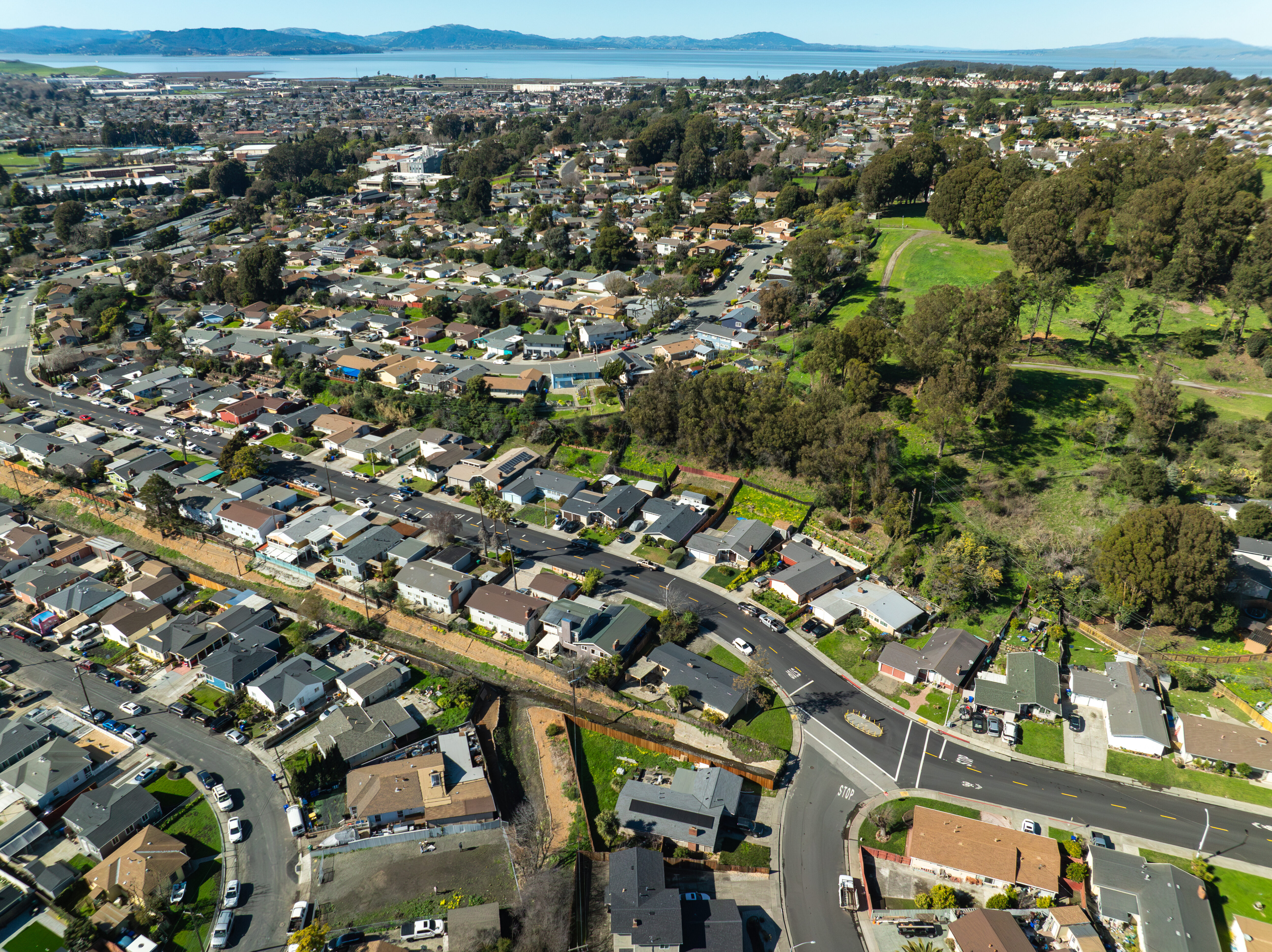
The risk of damaging floods is expected to rise in parts of the United States as wetter, more frequent storms cause rivers to overflow their banks. Meanwhile, rapid development is boxing rivers in, creating unnaturally skinny channels that accelerate the speed of moving water and increase the chance a swelling river will end up damaging streets, infrastructure, and lives.
90 percent of the nation’s floodplains are degraded and disconnected from rivers, which destroys habitat and limits rivers’ ability to safely convey flood waters and recharge groundwater.
Natural floodplain management is a nature-based solution to address flooding, restore native habitat, improve water quality, provide opportunities for fishing, boating, swimming, and getting outside, and keep our communities safe.
Floodplains are the flat areas adjacent to rivers that can help slow excess runoff and store floodwaters. By protecting and conserving these lands or reestablishing natural floodplains in an altered area, we can help slow the flow of floodwater after a heavy rainfall.
Natural floodplains serve multiple purposes in addition to slowing floodwaters:
- They provide resilient ecosystems for fish and wildlife
- Help control soil erosion
- Improve surface water quality
- Can recharge groundwater aquifers
- Provide quality outdoor recreational areas
Three ways to boost natural floodplains to make them more effective at reducing flooding
1. Restoring by replanting
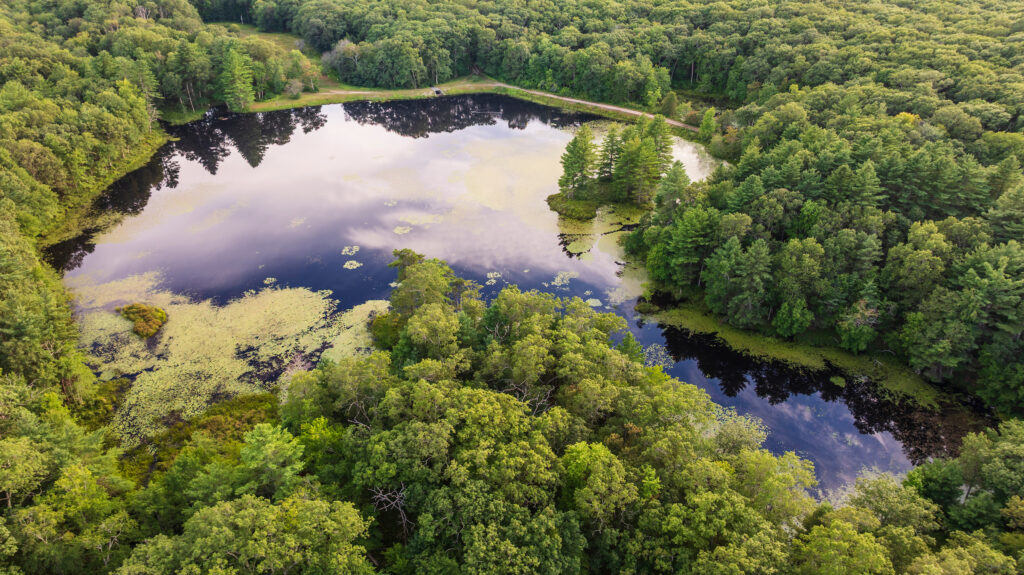
Natural floodplains are usually flat and typically contain grasses, plants, and trees that evolved to exist in harmony with seasonal floods. The flat, open land enables the excess water to spread out, and the vegetation helps to slow it down and prevent erosion downstream.
Restoring native plants and trees helps keep soil healthy so it can filter out pollutants, while roots soak up water and improve infiltration. Planting trees along a river also helps to stabilize the bank and prevent erosion. Shrubs, grasses, and crops planted adjacent to a river can slow excess water. The plant roots also improve soil structure by enabling rainfall to mix with groundwater and prevent soil loss from runoff.
Planting native plants next to rivers — also called riparian buffers — and on floodplains helps moderate river water temperatures and provides shelter, food, and calm waters for all kinds of freshwater critters, from beavers to ducks to migrating salmon.
2. Moving levees and infrastructure further away from the river
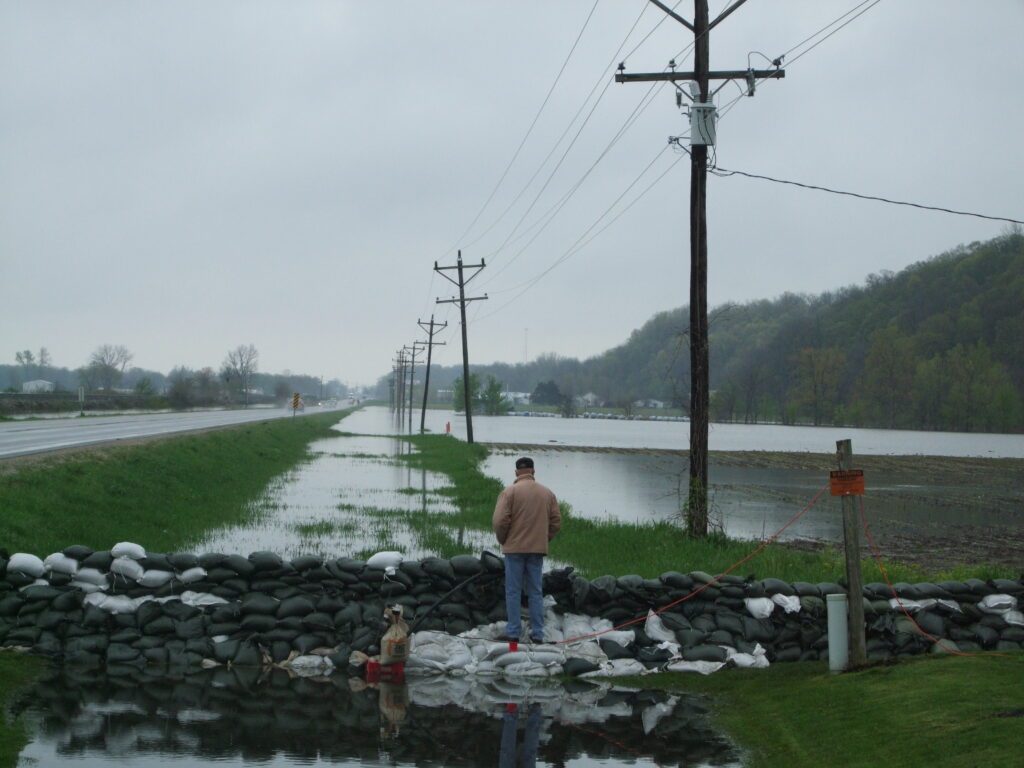
Levees and floodwalls unnaturally keep rivers within a narrow channel and off the floodplain. This causes water to rise higher and flow faster in the main channel than it would normally, leading to more powerful and rapid flooding downstream — creating a bottleneck that causes flooding upstream.
Sometimes floods are bigger than expected or than the levee was designed to contain and can overtop levees or floodwalls. If a river floods for a long time, water can damage a levee. Even using the latest techniques and designs, structures can and do fail, and the consequences can be devastating.
Plus, levees separate the river from its floodplain, starving the floodplain of water. This reduces the health of floodplain ecosystems and reduces their ability to hold and convey water during floods. Moving a levee further back from a river can provide more room for a river to accommodate floodwaters while still protecting vital infrastructure. If there is no infrastructure, you can remove the entire levee or put holes in it to allow water to flow onto the floodplain during a flood.
Development upstream causes many streams, creeks, and rivers to become incised, or eroded down into their channel so floodwaters can’t access the floodplain. Incision is often a problem in high-altitude mountain meadows. By raising the riverbed or excavating the riverbanks, we can re-create a rivers’ ability to flow onto its floodplain.
3. Moving infrastructure out of the floodplain
One of the best ways to make sure people aren’t harmed by severe floods is to move them out of harm’s way. Moving flood-prone homes and buildings to higher ground is a life-saving action that can also be the first step to restoring floodplains for a more natural habitat or recreational space. Communities such as Tacoma, Washington, Tulsa, Oklahoma, Soldiers’ Grove, Wisconsin, and Cedar Falls, Iowa, have relocated businesses and homes away from areas that are at risk from floods.