Groundswell on the Rio Grande: How People of the San Luis Valley are Coming Together Around Water
Across the southwest, water is an essential, often scarce resource that communities rely on for their ways of life.
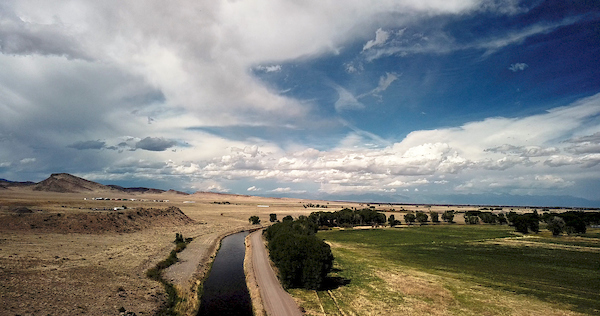
Across the southwest, water is an essential, often scarce resource that communities rely on for their ways of life. In south-central Colorado, the Rio Grande, its tributaries and the water flowing underground supports communities across the San Luis Valley, an 8,000 square-mile high elevation desert that sees less than seven inches of precipitation per year. Water ties generations of people and communities together across the Valley. Married by shared ethics of caring for land and water, everyone across the San Luis Valley depends deeply on the Rio Grande – for their livelihoods, the rich diversity of wildlife and outdoor activities, and a deep connection to the rich history of people who have come before them.
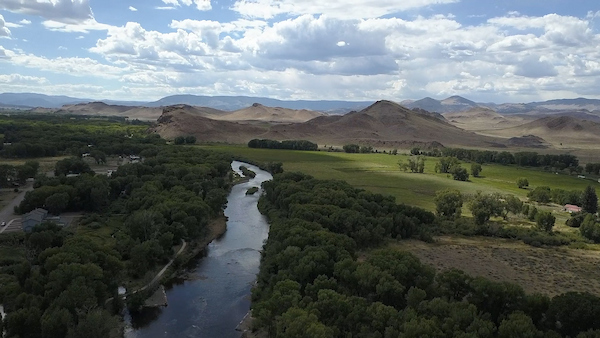
To help tell the story of the San Luis Valley, the interdependent nature of the people, the river and water flowing below their feet and the threats facing the Valley’s way of life, American Rivers developed Groundswell on the Rio Grande, an interactive ESRI Story Map that illustrates the connection between people, communities and water.
Learn more about the San Luis Valley, visit Groundswell on the Rio Grande
In developing the Story Map, we had the pleasure of engaging with a wide cross-section of people that rely on and appreciate the Valley’s waters for different reasons. Whether we talked to a rancher, small business owner, recreation advocate, retired bus driver, brewer or water manager, it was clear how important the Valley, and the Valley’s water is to them. Water undeniably touches everyone in the Valley, but it is the threats to the rivers and aquifers that bring communities together to fight for their water.
The San Luis Valley is facing a real threat from Renewable Water Resources (RWR), a proposal to export groundwater out of the San Luis Valley to Colorado’s southern Front Range. In late 2021, RWR approached the Douglas County Commission, asking for $20 million of federal rescue plan funds to pipe water out of the San Luis Valley to the Denver suburbs.
As the Story Map describes, water flowing through and beneath the Valley is essential for communities, agriculture, recreation and the environment. The inextricable link between groundwater and surface water in the Valley means that the RWR proposal would have direct, negative impacts for everything from agricultural communities and culture to fish, wildlife, and a growing recreation economy, specifically at Great Sand Dunes National Park. Douglas County Commissioners are currently considering the proposal from RWR as they grapple with a growing population within their communities. However, there are other options – such as water conservation, efficiency and reuse – that are lower in cost and create local jobs that the County should consider instead. Join us in urging the Douglas County Commissioners to reject RWR’s proposal to pipe water from the San Luis Valley to the Front Range. Click here for petition
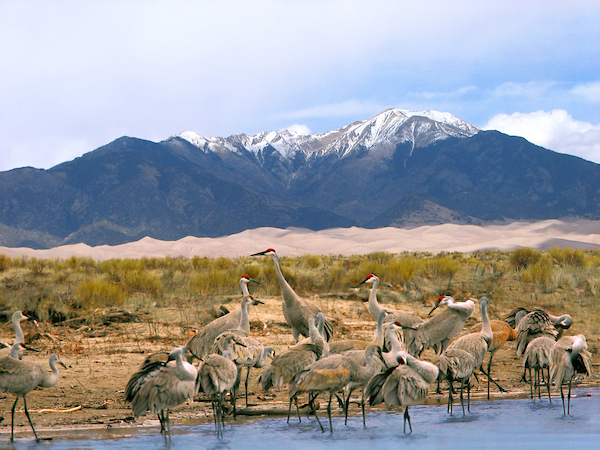
As you view the Story Map we hope you gain a better understanding of why protecting and preserving the health of the Rio Grande, the viability of aquifers, and the deep history of the San Luis Valley is as critical for communities that rely directly on the river as it is for the state of Colorado and the Southwest. Make your voice heard and speak up for the San Luis Valley, and the rivers and waters that flow through and underneath such an incredible part of Colorado.