Understanding What Roadless Rule Rollbacks Could Mean for the East Coast
The Roadless Rule is a landmark national policy adopted by the U.S. Forest Service in 2001 to maintain approximately 58.5 million acres of largely healthy, undeveloped National Forest System lands. The Rule accomplished this by prohibiting new road construction and commercial timber harvest in designated Inventoried Roadless Areas (IRAs) while allowing reasonable exemptions for access to strategically cut timber to reduce fires and in order to respond to emergencies and public safety needs.
For over 25 years, the Roadless Rule has protected access to clean drinking water for millions, provided essential habitat for wildlife, helped mitigate wildfire risks, and preserved critical watershed health. Sadly, the U.S. Department of Agriculture recently announced it is seeking to revoke the Roadless Rule, which would be the single largest rollback of protections for rivers in U.S. history — putting clean water and freshwater habitat at serious risk.
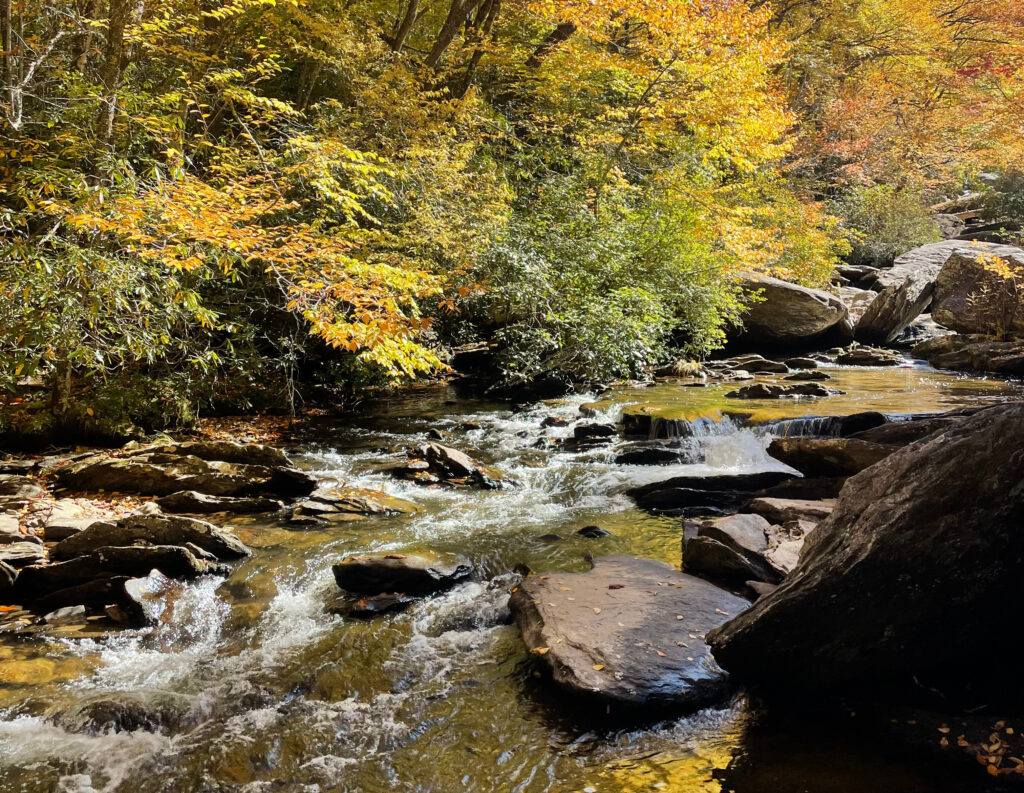
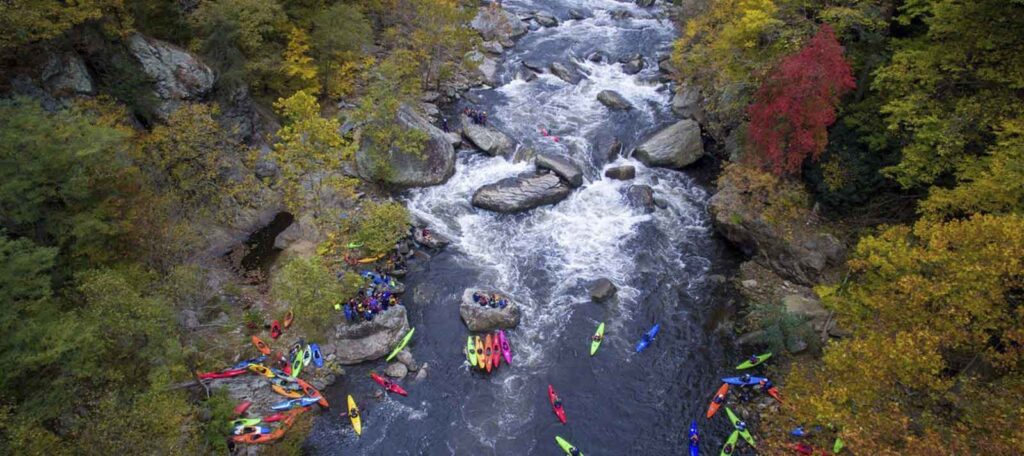
A lot of the Roadless Rule rollback conversation has centered around existing Inventoried Roadless Areas (IRAs) in the western part of the country. But what about the Eastern part of the country? There are hundreds of thousands of acres of healthy forest land in the East that are protected by the Roadless Rule. These forests protect critical drinking water supplies and provide some of the best places to fish, paddle, hunt, and play east of the Mississippi.
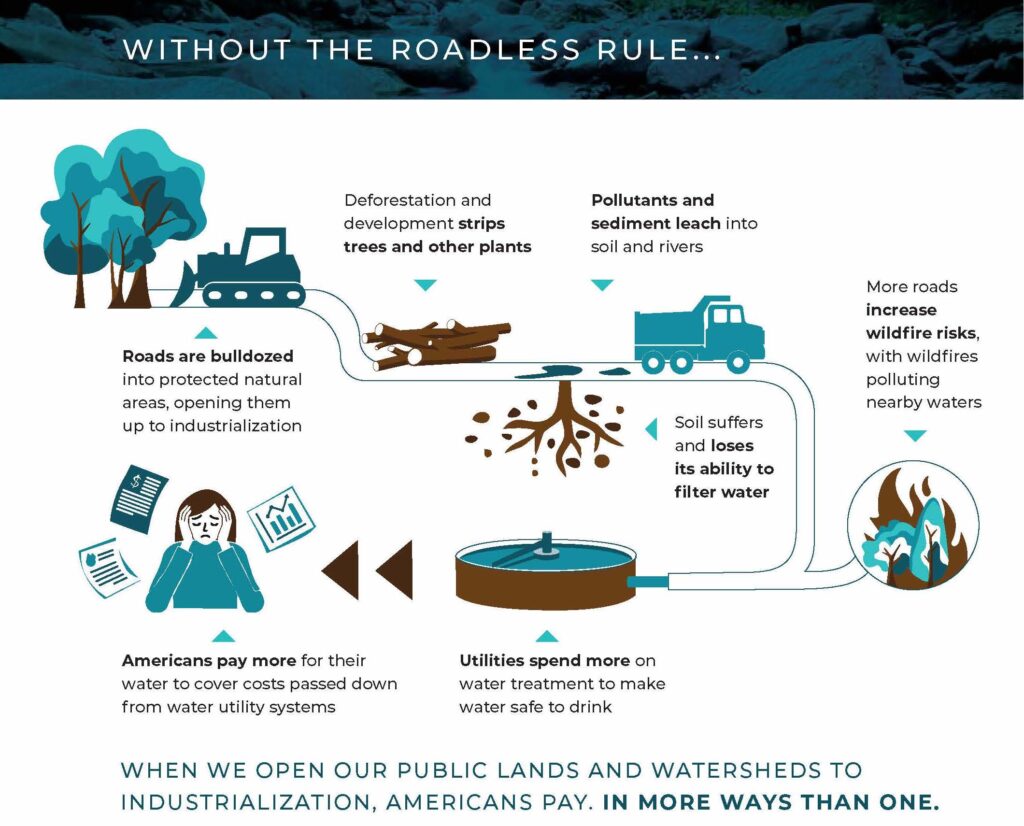
The risks of rescission and costs are significant. The Roadless Rule has proven to be cost-effective and successful for more than a quarter century by protecting drinking water, fishing, and hunting opportunities.
Rescinding the Rule will inevitably result in:
- Higher-cost, lower-quality drinking water
- Diminished fish and wildlife habitat, which would result in fewer, more fragmented fishing and hunting opportunities
- Increased wildlife-vehicle collisions
- Lower stream health
- Threaten hiking, paddling, climbing, and outdoor recreation opportunities and businesses.
Let's Stay In Touch!
We’re hard at work for rivers and clean water. Sign up to get the most important news affecting your water and rivers delivered right to your inbox.
Let’s Zoom In
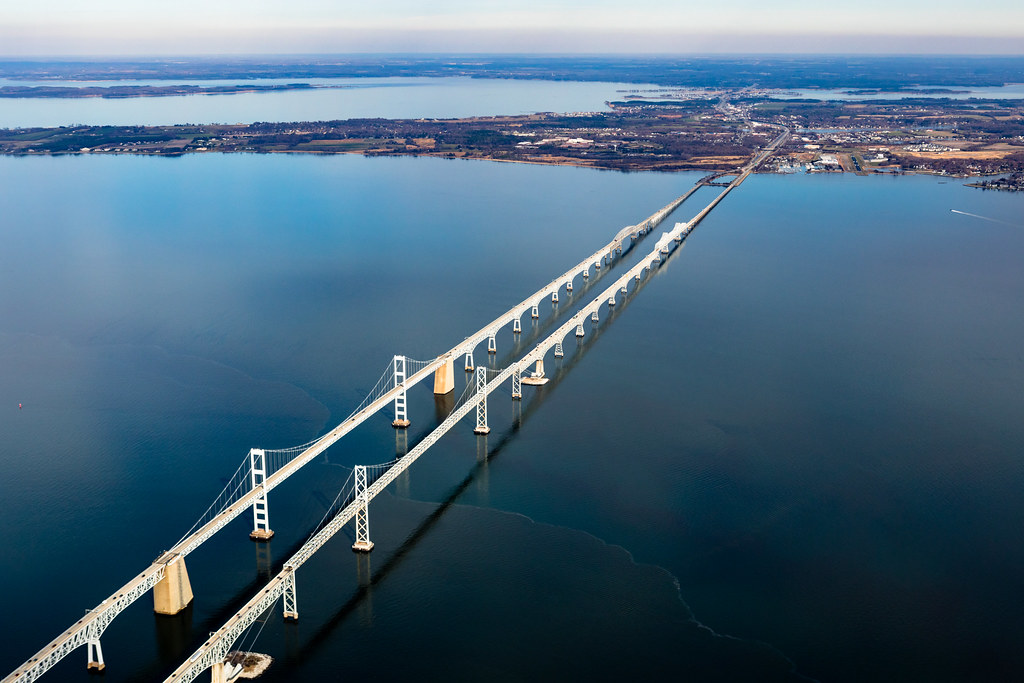
In the Chesapeake Bay Watershed, drinking water resources will be made more vulnerable to sediment, litter, and toxic pollutants introduced through new roads, construction, and logging, which is in direct opposition to the Bay’s cleanup plan that is seeking to reduce these exact pollutants. This would, in turn, increase direct costs to ratepayers and businesses to meet heightened demands of utility water treatment.
In Virginia, Inventoried Roadless Areas under the Roadless Rule protect almost 400,000 acres of public land and more than 700 river miles from industrialization and the pollution risk that comes with it. If the Roadless Rule were rescinded, 80% of the river miles protected by IRAs in Virginia would lose their main source of protection.

In Virginia, the Roadless Protects:
-
560,000
Virginians' Drinking Water
-
717
River Miles
-
204
Watersheds
Communities like Shenandoah, Virginia, rely on IRAs for their drinking water. The county recently spoke out against the misguided efforts to rescind the Roadless Rule in a letter to the United States Forest Service:
“Beyond water security, our roadless areas offer outdoor recreation opportunities for local families and visitors, which is an important economic driver in our region. They feature world-class resources alongside a rich heritage of backcountry hunting and fishing. Crucially, these areas protect vital wildlife habitats— sheltering Virginia’s premier native brook trout streams, which report the largest populations south of the Mason-Dixon line.
Ultimately, the Roadless Rule ensures balanced, responsible forest management while leaving the majority of our national forests available for other uses. Given the Forest Service’s existing maintenance backlogs, it would be fiscally irresponsible to build new roads that cannot be maintained, especially at the expense of irreplaceable backcountry areas and downstream impacts.
Shenandoah County deeply values and depends on these wild spaces. They ensure everyone can experience solitude and adventure for future generations and protect our cultural heritage. Because they support our economy and protect our water supply, we strongly urge the Forest Service to maintain current forest management standards and retain the Roadless Rule.”
In North Carolina, Inventoried Roadless Areas protect more than 170,000 acres of public land; rescinding the Roadless Rule would remove the main source of protection for more than 44% of river miles protected by IRAs.
In North Carolina, the Roadless Protects:
-
1.69M
North Carolinians' Drinking Water
-
414
River Miles
-
112
Watersheds
As you can see, the Roadless Rule has been a vital landmark national policy for the last quarter century. Rescinding the Roadless Rule threatens the foundation of our drinking water infrastructure and some of the best places for recreation east of the Mississippi. Learn more about the Roadless Rule and how it protects our nation’s rivers.