Public Lands and Waters Deserve Durable Protections, Not Congressional Review Act Chaos
Outside the halls of Congress, few are familiar with the legislative tool called the Congressional Review Act. Seemingly innocuous, even boring in its name, the Congressional Review Act – or CRA – is a powerful, consequential political device, and it’s increasingly being used to undermine protections for our public lands and waters.
The Congressional Review Act was first enacted in 1996 and was designed to allow Congress to review major federal regulations that are listed as rules in the Federal Register. Historically, it was used infrequently. Before 2016, the CRA had been used only once. Today, it’s often used to undo administrative rules the current Congressional majority disagrees with. Still, its use as a public lands management tool is unprecedented.
The CRA was never intended to apply to presidential action under the Antiquities Act, land withdrawals grounded in statutes, or site-specific land protections. National monuments and major land protections are exercises of delegated Congressional power, not agencies interpreting law. Because of this distinction, using the CRA in the context of public lands management stretches the word “rule” far beyond how it’s been understood before.
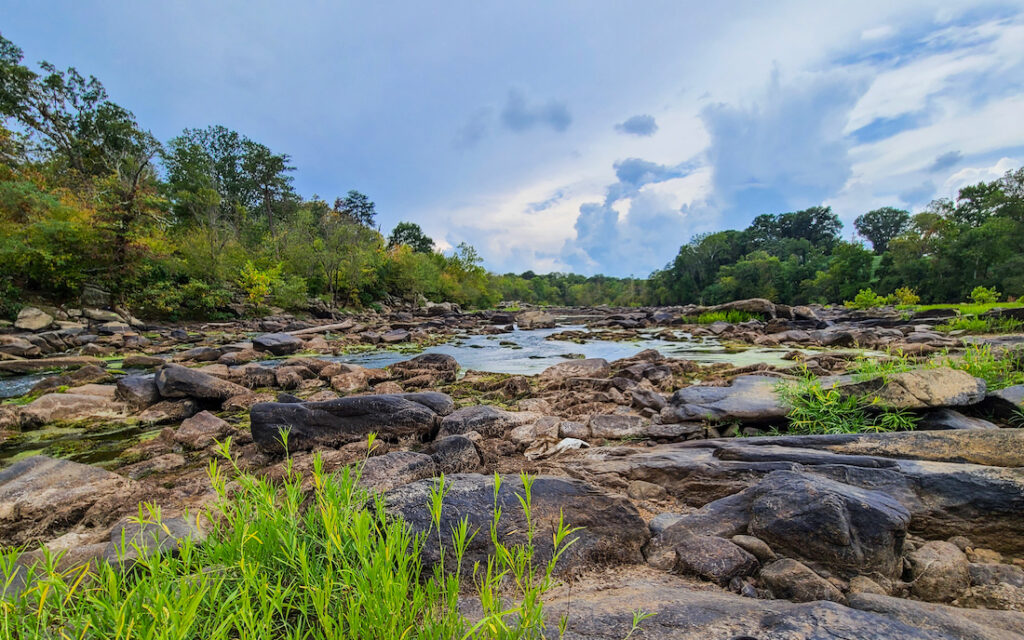
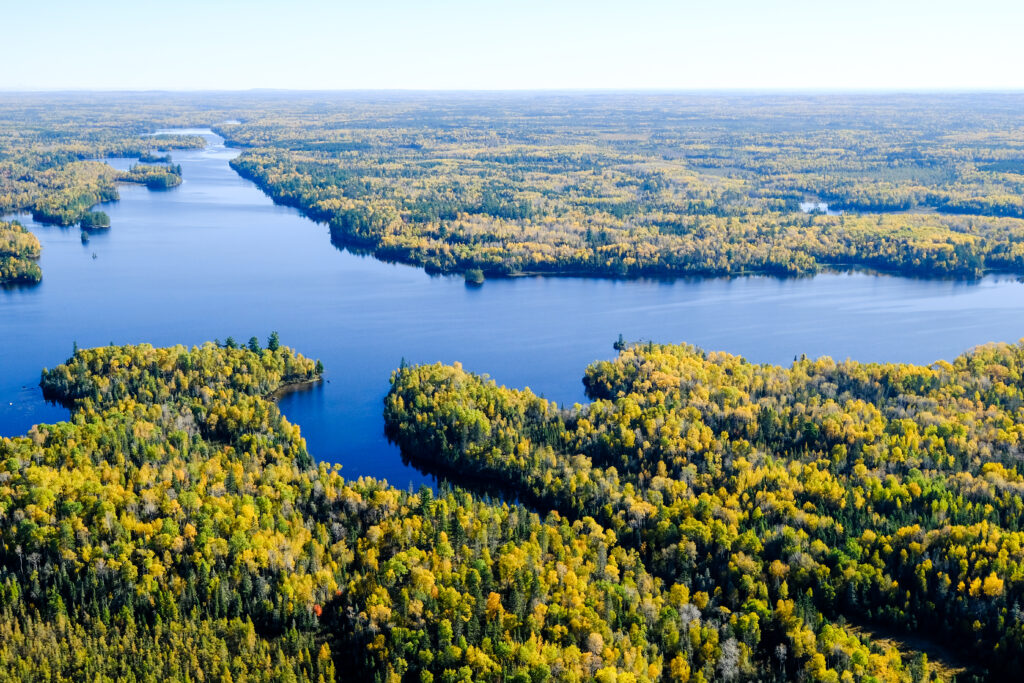
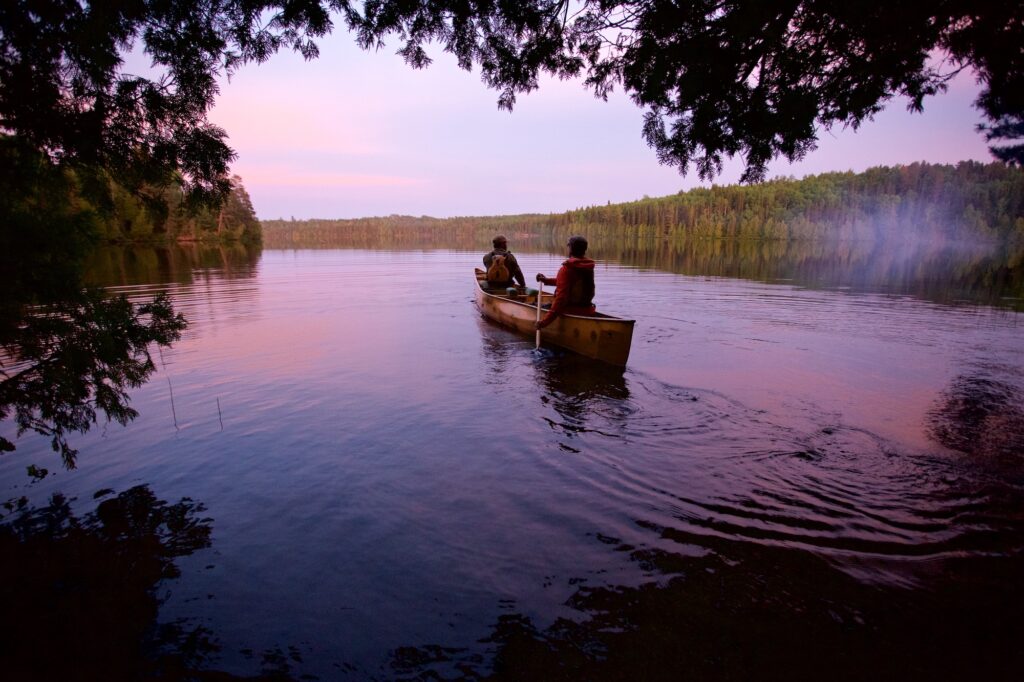
In January 2026, the House passed a Congressional Review Act resolution to overturn a mining ban near Minnesota’s pristine Boundary Waters. Shortly after, the Government Accountability Office issued a groundbreaking opinion concluding that the Bureau of Land Management’s 2025 management plan for Grand Staircase-Escalante National Monument could be overturned using the CRA, prompting a countdown for votes to undo protections for the Escalante River.
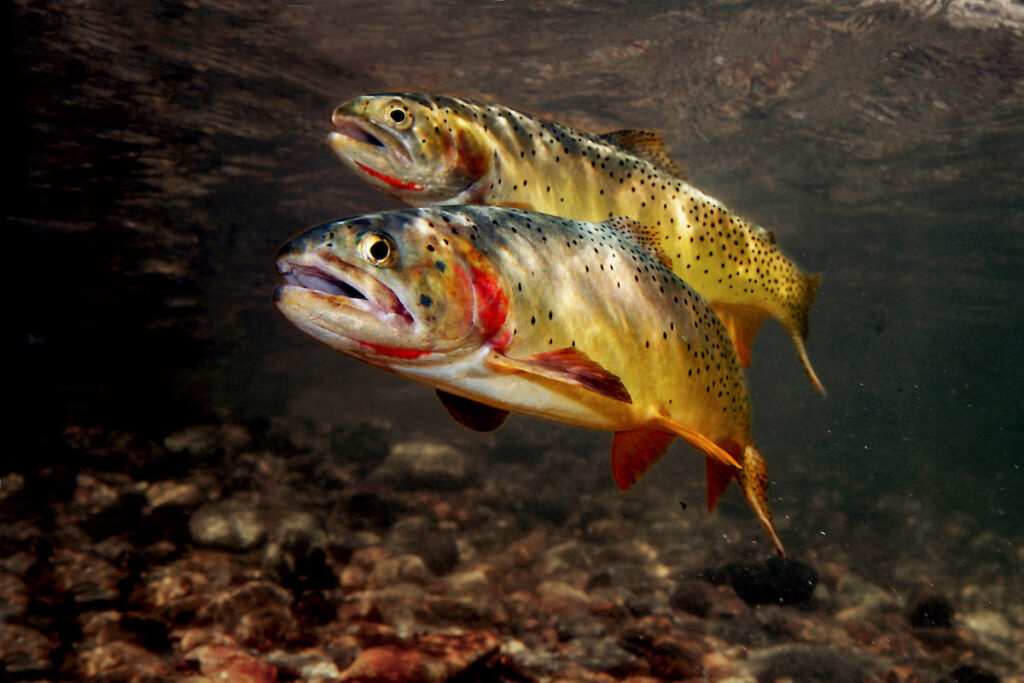
For the first time, environmental protections for beloved fish species like cutthroat and lake trout, mining bans in sensitive watersheds, and public lands management decisions are being subjected to the CRA and its consequences, without public input. Once rules are revoked by the CRA, the creation of similar rules is prohibited without another act of Congress.
When Congress votes to overturn hard-won public lands and water protections, they are overturning years of rigorous scientific review and sidelining public input, including the voices of hunters and anglers, Tribal and local communities, and conservationists around the country. They are risking the right of all Americans to enjoy access to public lands, jeopardizing local recreation economies, and harming sources of clean water.
Our love for public lands, clean water, and abundant wildlife is something that unites us all. Our public lands deserve durable protection. Let’s remind our elected leaders that the Congressional Review Act shouldn’t be used to permanently strip protections from public lands and waters.
Protect Public Lands
Congress must protect our Public Lands, and reject rolling back existing protections using the Congressional Review Act