The Missouri River: A Long History, A Hopeful Future
The "Big Muddy" deserves a healthy future
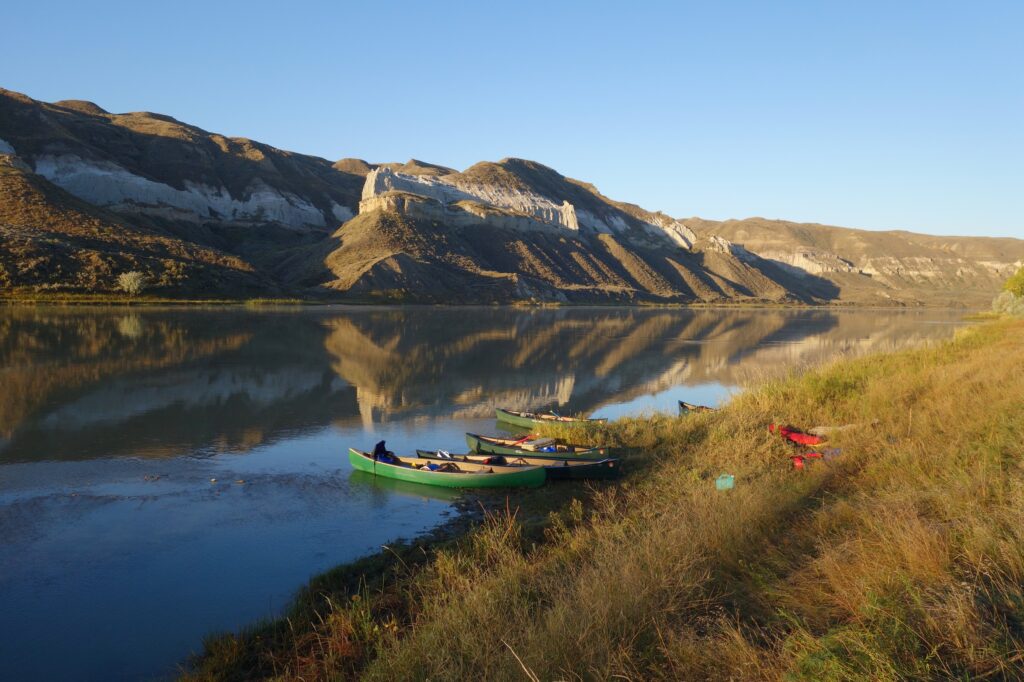
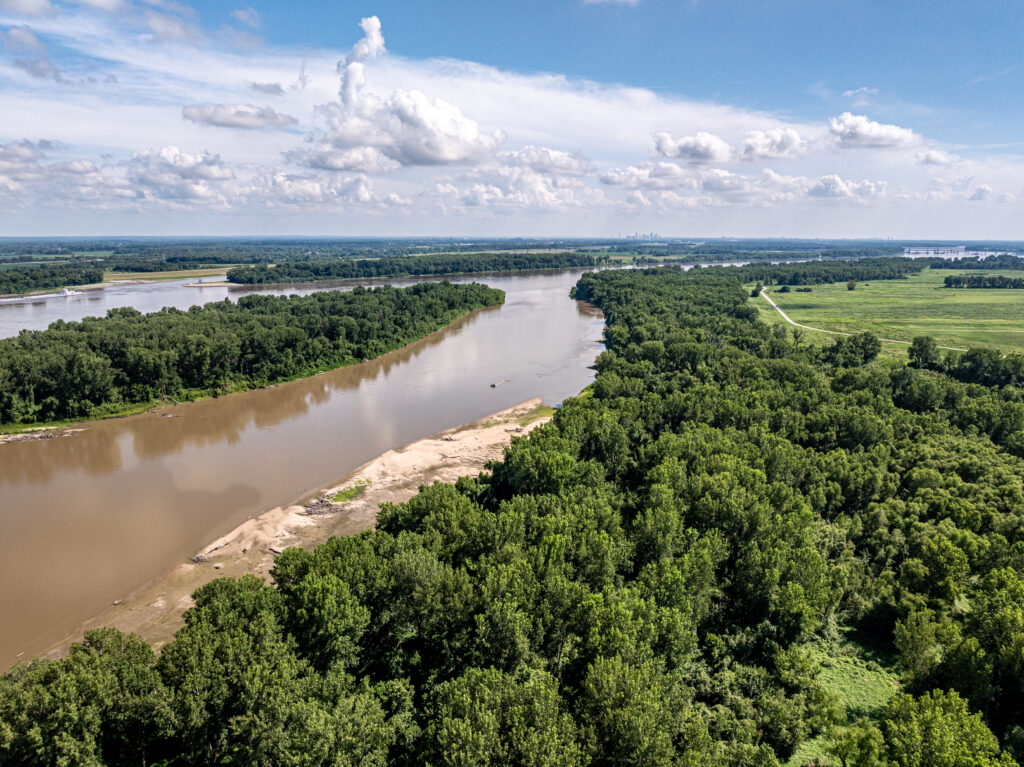
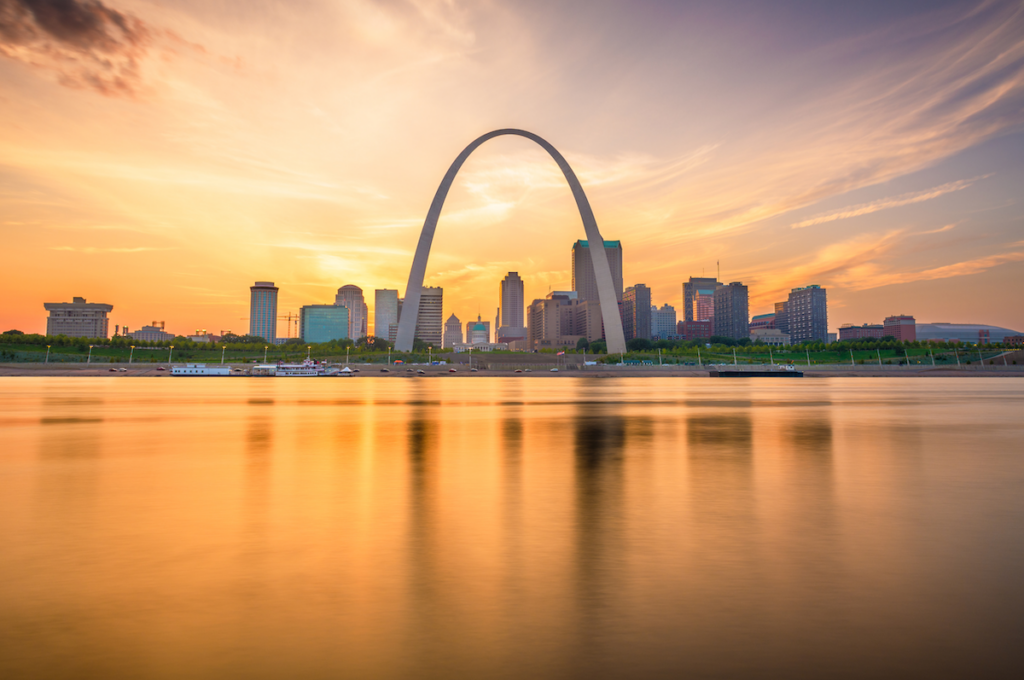
From its start as a pure snowflake in the Rocky Mountains of Montana to its clouded, churning confluence with the Mississippi River in St. Louis, the “Big Muddy” has for centuries been incrediby impactful to the communities that call it home. Native Americans were first to recognize the importance of the Missouri River, with twenty-nine Tribal Nations recognized to hold cultural, economic, or water rights to this current day. Followed by Lewis and Clark on their historic “Corps of Discovery Expedition”, the river opened up a new horizon for the newly established United States of America to expand.
As time moved on, the Missouri and its floodplain became more developed, heavily farmed, tightly constricted, and eventually dammed. The Pick-Sloan Flood Control Act of 1944 changed the wild and free Big Muddy like never before; building massive dams and reservoirs, and thousands of miles of levees to facilitate flood control, farm irrigation, commercial navigation, and hydropower generation. While it can be debated as to the successes of Pick-Sloan, one thing is certain, a new wave of threats to the health and function of the river itself was set in motion and continues to grow today.
One of the first major rivers that was a focus of conservation efforts by American Rivers, we pushed for the endangered species listing of the pallid sturgeon, piping plover, and interior least tern. Changes in the river connectivity, historic hydrology, and natural sandbar creation severely impacted these species’ ability to survive. We were also a primary advocate in the subsequent actions for the Congressional creation of the U.S. Army Corps of Engineers’ (USACE) Missouri River Recovery Program (MRRP).
The MRRP is focused on:
- (1) avoiding actions that jeopardize federally listed species, and
- (2) the Bank Stabilization and Navigation Project Fish & Wildlife Mitigation Project (BSNP).
While advances have been made, including the de-listing of the interior least tern and the slow completion of levee-setbacks to establish floodplain re-connection, there is still over halfway to go to complete the total 166,750 acres of Missouri River floodplains that were approved to be acquired and restored as part of the BSNP.
Let's stay in touch!
We’re hard at work in the Central Region for rivers and clean water. Sign up to get the most important news affecting your water and rivers delivered right to your inbox.
The continued threats facing the health and function of the Missouri River and its watershed, however, are increasingly evident as flooding and drought events become more erratic and severe, source water protections are in jeopardy, and public recreational access is limited. To both position American Rivers as a MRRP advocate and conservation delivery partner, and to increase the rate of floodplains conservation toward this approximately 167,000-acre goal, our staff are official “Fish and Wildlife Stakeholders” to the Missouri River Recovery Implementation Committee (MRRIC).
As an advisory stakeholder to the agencies responsible for the delivery of the MRRP, we are well-positioned to advocate for the continued Congressional funding support and on-the-ground floodplains protection, reconnection, and restoration acres outlined in the BSNP – all of which will then become lands open for public recreation. Through our Floodplains Conservation and River Protection programs, we are actively working across all sectors of government, non-profit, business, community, and private landowner river interests to identify conservation and policy solutions to these current threats. In the coming years, we are focusing our Missouri River floodplain protection and restoration work on both increasing the rate of BSNP acquisitions and restorations and enrollments in U.S. Farm Bill conservation programs, and through federal and state policies that bring the needs of the Big Muddy to the forefront. Such a storied river… deserves a healthy future.