Southeast Rivers and Communities Cope with Drought…Again
Heat waves are only part of the weather pattern defining this summer. Much of the Southeast remains in the grip of severe drought.
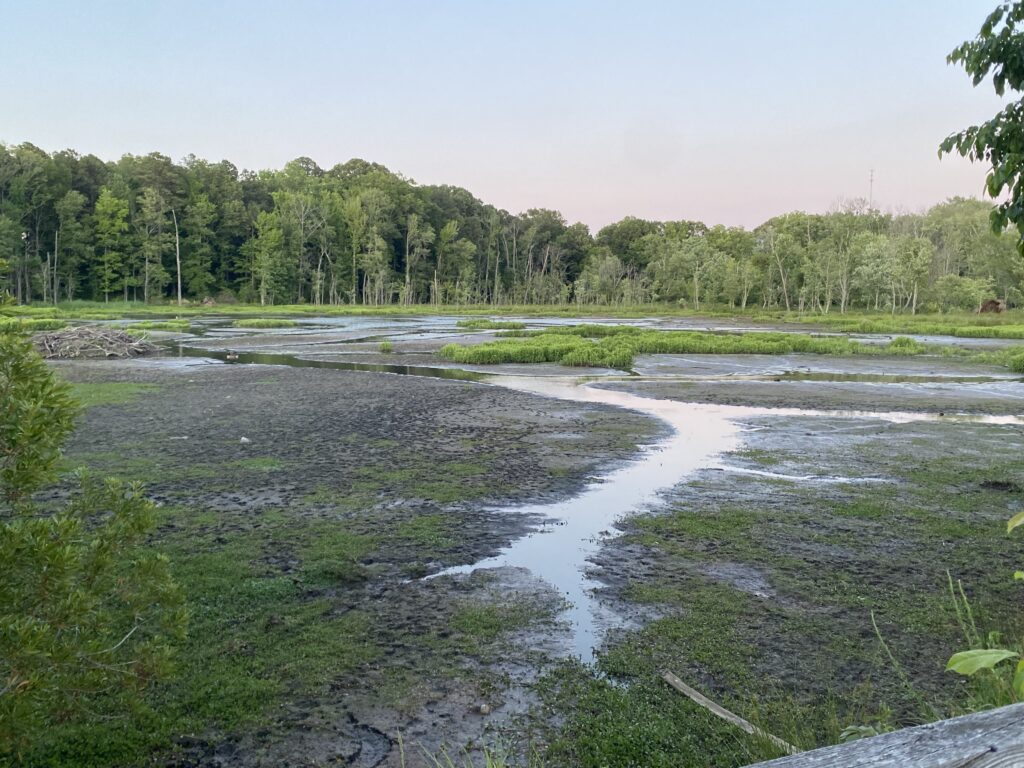
Here in the Southeast, drought is no stranger, and this summer it is impacting communities and rivers in the region just as in many other parts of the country. In North Carolina, much of the state has been in severe or extreme drought conditions for months, according to the U.S. Drought Monitor, and stream and river flows are near record-low levels in much of the state.
Rivers are accustomed to drought; it is a natural occurrence, but its impacts on rivers are often worsened when we alter their flows, draw too much water out of them, or pave over the landscape in areas of the watershed that would otherwise replenish groundwater and streamflow when it rains. Meanwhile, droughts themselves are becoming more severe and, in some places, more frequent in a changing climate.
In hot and dry weather, soils dry out quickly, a fact any home gardener knows all too well. At a river basin scale, the impacts of excessively hot and dry conditions on the natural systems that support our rivers with fresh water are significant and worrisome. When river flows drop low early in the season and stay low, river ecosystems can be pushed beyond their normal bounds, harming fish and wildlife, canceling river recreation activities, and threatening the supplies of communities that depend on these rivers for clean water.
Drought is not just a summertime occurrence: In the Southeast, it comes about in the first place due to a lack of rainfall to recharge groundwater and streams’ baseflow during the winter and cooler months. This is absolutely the case with the drought currently striking the region: a very dry winter left the region poorly prepared for the heat of summer, from a water availability standpoint. The current North Carolina drought conditions, in particular, intensified in the springtime (which should normally be a relatively rainy season in the Southeast)—not in the fall when we typically have our driest season.
Let's stay in touch!
We’re hard at work in the Southeast for rivers and clean water. Sign up to get the most important news affecting your water and rivers delivered right to your inbox.
In Georgia, the state has been lucky to receive rainfall that has moderated drought conditions in the early summer, but it’s not likely to see drought disappear altogether during the hot summer months. It takes a long time to get into a drought, and it will take a long time to get out. In North Carolina and other parts of the region, the current situation is more dire, and the timeline for recovery is likely much longer. (Meanwhile, a bit of weather whiplash between drought and flash flood conditions is implicated in this summer’s massive fish kill on the Chattahoochee River in Atlanta.)
American Rivers has worked for years advocating for the protection of the natural flows that sustain river ecosystems, for an “efficiency first” approach to securing water supply for our communities, and for smart water infrastructure planning that protects the natural flows that rivers need. It’s important for us all to conserve water to maintain community water supplies: reducing outdoor water use, fixing leaky plumbing fixtures, avoiding water waste, and much more. It’s also critically important for water utilities to plan, maintain, and manage water supply infrastructure in ways that protect river flows as much as possible. In particular, we must be planning for drought when we’re not in drought, in order to make our policies and our infrastructure as river-friendly as possible when drought arrives.
All this work becomes more important all the time, as population growth, urban sprawl, energy generation, and the advent of data centers together make even more demands on our freshwater resources and the water that both we and our rivers need.