Lumber River
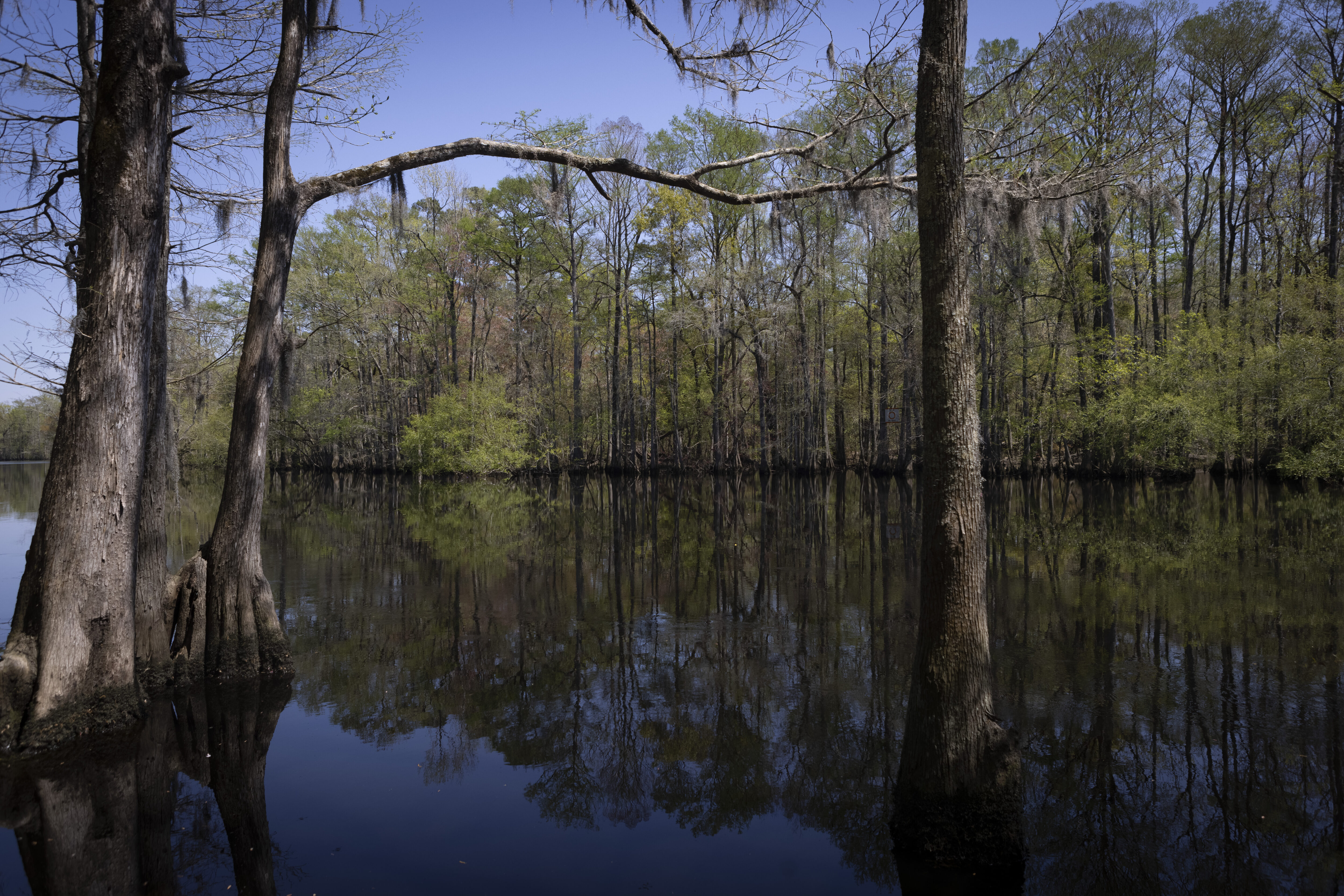
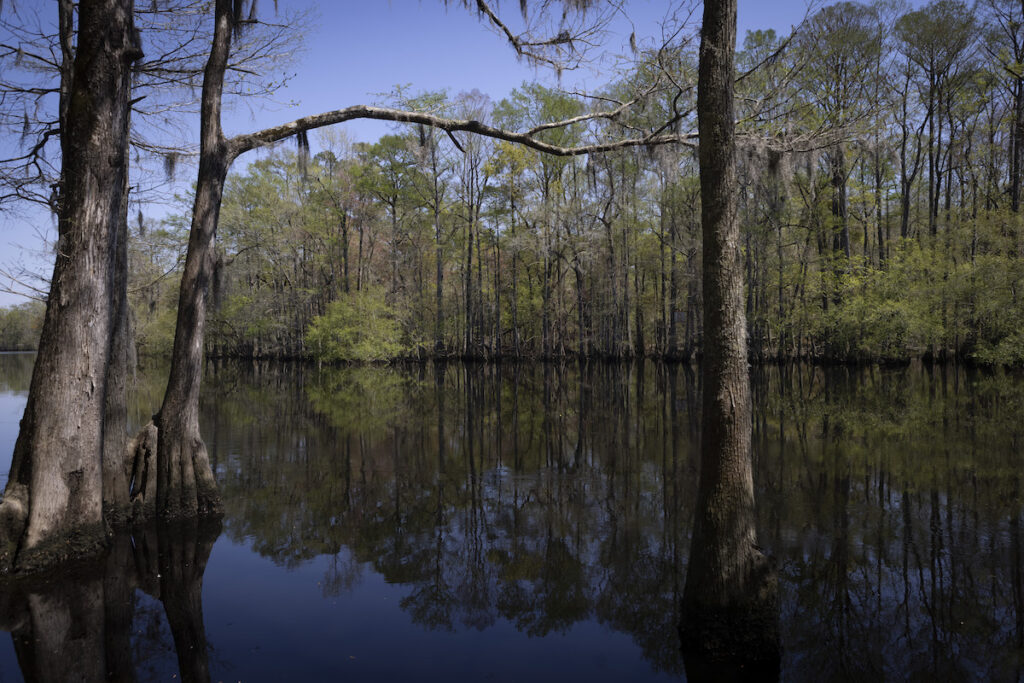
The Lumber River—also known as the Lumbee River—is a nationally significant blackwater river flowing for 133 miles through southeastern North Carolina into South Carolina. Its dark, tea-colored waters wind through wetlands and forested floodplains, providing wildlife habitat, natural flood protection, and drinking water for thousands of people. The river also supports fishing, hunting, paddling, and other forms of outdoor recreation that are central to local culture and livelihoods.
The Lumber River is the ancestral homeland of the Lumbee People, who often refer to themselves as the “people of the dark water.” For generations, the river has been central to Lumbee identity, cultural survival, and subsistence. Today, the Lumber River remains a living cultural resource that Indigenous, rural, and low-income communities continue to rely on the river for clean water and food, making its protection inseparable from public health and environmental justice.
Despite its importance, the Lumber River is under growing pressure from industrial pollution. Large-scale animal agriculture, slaughterhouses, landfills, and wastewater treatment plants are concentrated in the basin, releasing nutrients, bacteria, and toxic chemicals into nearby waters. Of particular concern is contamination from PFAS (per- and polyfluoroalkyl substances) —persistent “forever chemicals” linked to serious health risks.
PFAS pollution has already contaminated drinking water supplies and led to fish consumption advisories along the river, threatening food security and community wellbeing. American Rivers works with local partners to strengthen pollution controls, elevate community voices, and push for investments that ensure clean, safe water for everyone who depends on the Lumber River.
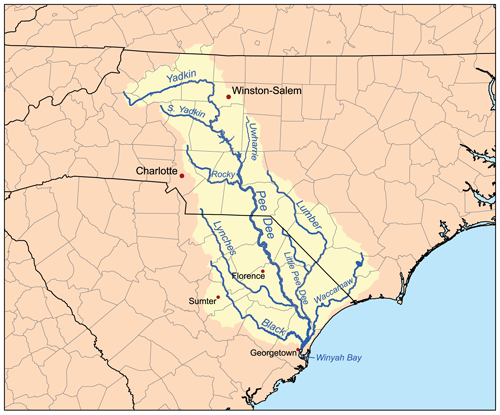
What states does the Lumber River Flow Through?
The Lumber River flows through North Carolina and South Carolina
How long is the lumber river?
The Lumber River is 133 miles long
What makes the Lumber River a blackwater river?
The Lumber River is considered a blackwater – A blackwater river is a type of river with a slow-moving channel that flows through forested swamps or wetlands. Blackwater rivers are lower in nutrients than whitewater rivers, which leads to unique flora and fauna.
Are the Lumber River and the Lumbee River the same River?
Yes, the Lumber River is also known as the Lumbee River.
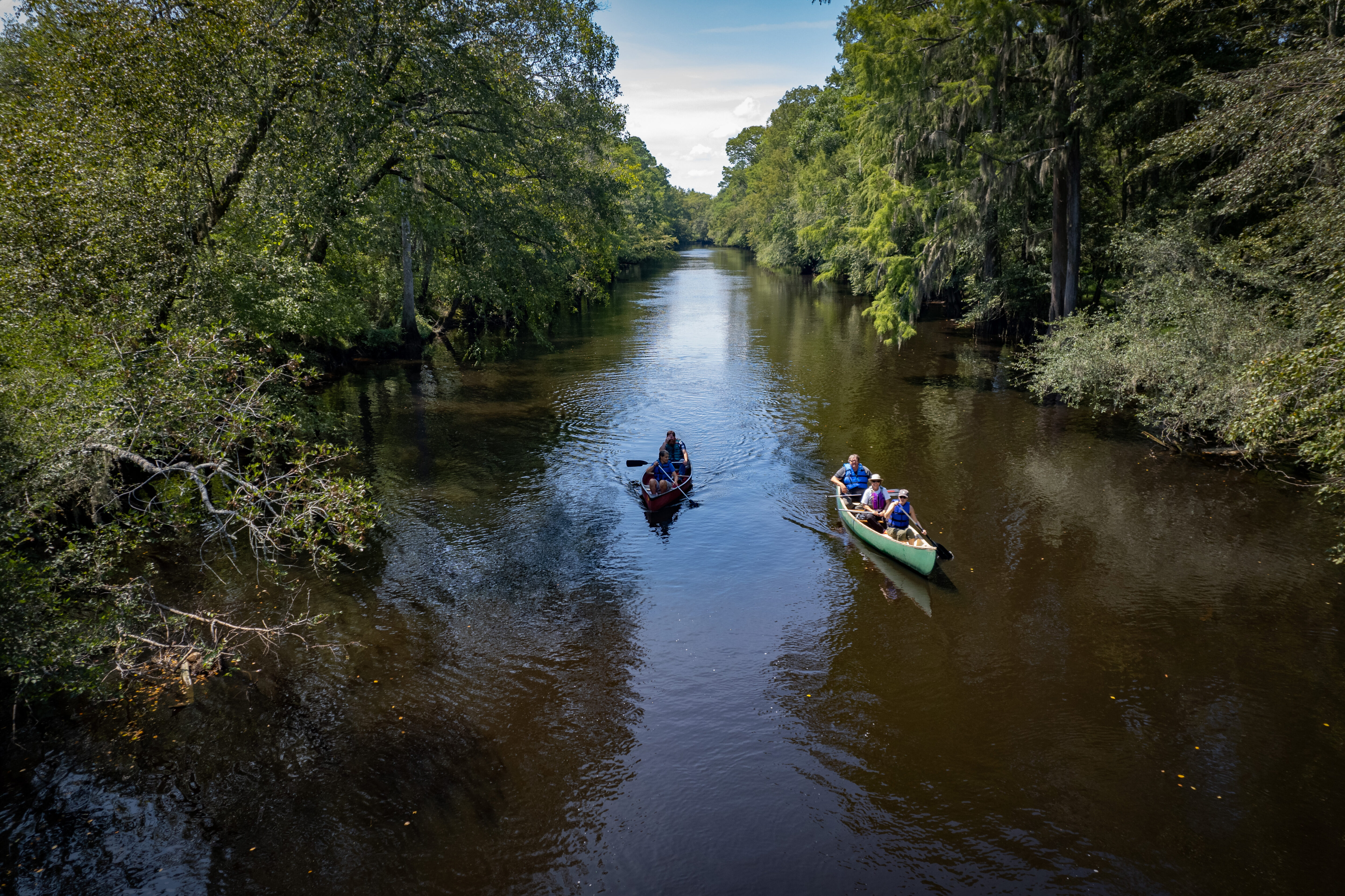
The river is recognized for its ecological, cultural, and recreational value. It was the first blackwater river designated as a National Wild and Scenic River and is the only blackwater river included in North Carolina’s Natural and Scenic River System. The basin includes protected lands such as Lumber River State Park and provides habitat for species listed as threatened or endangered, including the red-cockaded woodpecker, bald eagle, and American alligator. Long, uninterrupted stretches of the river support paddling, birding, and nature-based tourism.
At the same time, the watershed has become a hub for industrial activity. Concentrated Animal Feeding Operations (CAFOs), meat processing facilities, landfills, and wastewater treatment plants pose ongoing risks to water quality. Nutrient pollution and bacteria from animal agriculture can cause algal blooms, reduce oxygen levels, and make waters unsafe for recreation. Industrial waste has also introduced PFAS into groundwater, tributaries, public drinking water systems, and the river itself.
As pollution pressures increase and climate change intensifies flooding risks, protecting the Lumber River is essential for both ecological resilience and community health.
Lumber River Listed as one of America’s Most Endangered Rivers® of 2026
The Wild and Scenic Lumber River provides drinking water to local communities and is a refuge for fish and wildlife. But “forever chemicals”, or PFAS, as well as industrial agriculture, are polluting the river and making drinking water supplies unsafe. The state of North Carolina must direct funding to safeguard drinking water sources and ensure that any permits for industrial agriculture include adequate protections for the river and public health.
State and federal lawmakers must act now by funding upgrades to drinking water systems, wastewater treatment plants, and landfills — the critical infrastructure needed to protect the Lumber River Basin and its communities from PFAS pollution — at its source and protect the Lumber River and the people who depend on it.
Fund Water Infrastructure to Stop PFAS Pollution in the Lumber River
State/Federal lawmakers must fund upgrades to drinking water systems, wastewater treatment plants, and landfills — infrastructure needed to protect the river and its communities from PFAS pollution.
Key Threats to the Lumber River
Industrial Animal Agriculture
Waste from CAFOs, slaughterhouses, and meatpacking facilities introduces nutrients and bacteria that degrade water quality, harm aquatic life, and threaten recreation and drinking water supplies.
PFAS Contamination
PFAS are toxic, persistent chemicals used in many industrial processes. In the Lumber River Basin, PFAS-contaminated waste has entered landfills and wastewater systems not designed to remove them, contaminating groundwater, tributaries, and public water supplies. Drinking water systems serving tens of thousands of people have been affected, and fish consumption advisories have been issued.
Disproportionate Impacts
Indigenous, rural, and economically distressed communities bear the greatest burden of pollution and face the highest risks from contaminated water and food sources.
Solutions and How We’re Taking Action
Protecting the Lumber River requires coordinated action:
- Stronger permitting decisions by the North Carolina Department of Environmental Quality to deny or restrict permits that would worsen pollution from landfills, wastewater facilities, and CAFOs—especially those involving PFAS-contaminated waste.
- More robust pollution safeguards for landfills, wastewater treatment plants, and industrial animal agriculture
- Preventing PFAS at the source, rather than allowing these chemicals into waste streams, and then relying on expensive treatment technologies that cannot fully remove them.
- State and federal investment in clean water infrastructure, including drinking water treatment upgrades, replacement of water supplies, and long-term clean up
- Community-centered advocacy, ensuring impacted communities have a voice in decisions
American Rivers works alongside partners like the Lumber Riverkeeper, Southern Environmental Law Center, and Winyah Rivers Alliance to advance these solutions and protect the river for future generations.