The Ship Needs a Captain: A call for leadership in the Colorado River Basin
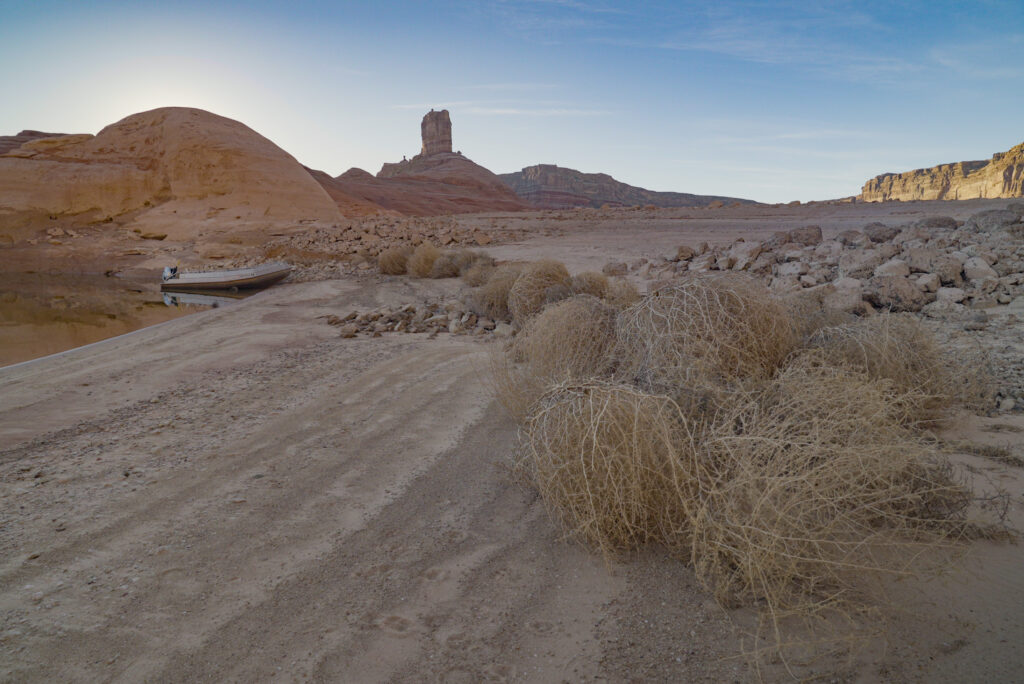
The situation is clear: the precipitation outlook in the Colorado River Basin is dire, the river cannot sustain the demands placed on it, and this year we’re likely to face unprecedented management decisions with potentially catastrophic consequences.
Despite decades of warnings and years of negotiations, there remains no clear blueprint for how the West can live with less water. That future is no longer hypothetical—it is already here.
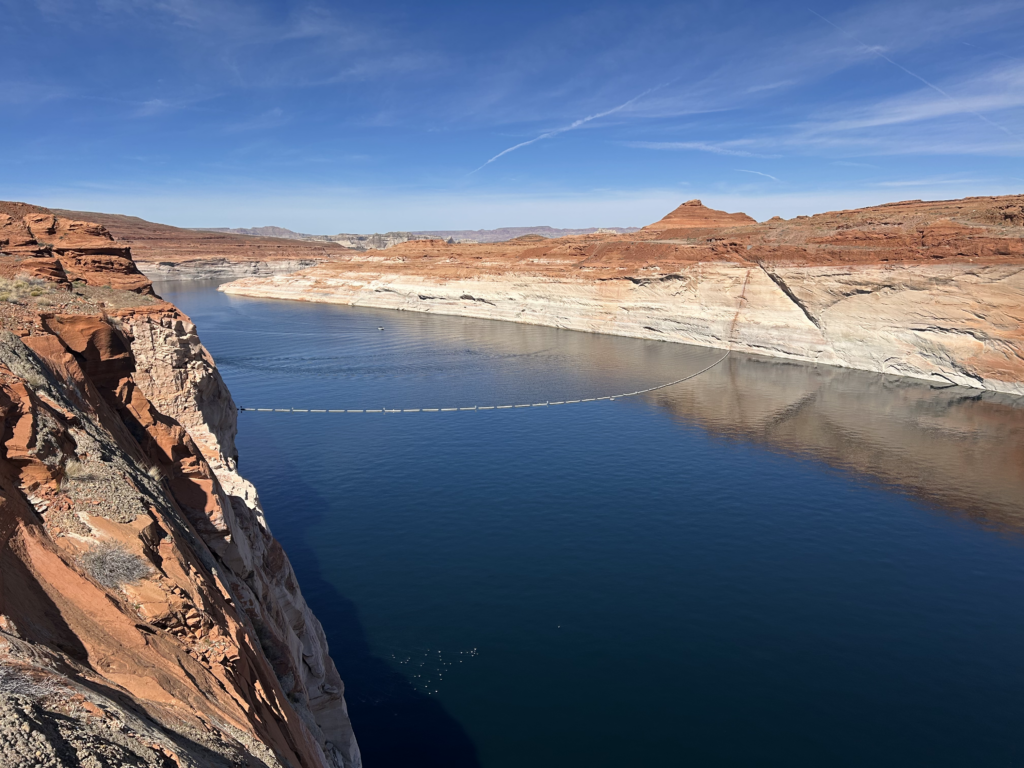
We often talk about the Colorado River and drought in ways that can feel removed, impersonal, abstract, and buried in jargon. But beneath the stories, there are real lives, livelihoods, ecosystems, and traditions that make the region what it is, and that are very much at stake.
On March 3, for example, the US Drought Monitor released their latest report, revealing that “snow water equivalent” is less than 70% of normal across the Central Rockies, and less than 50% in the Four Corners.
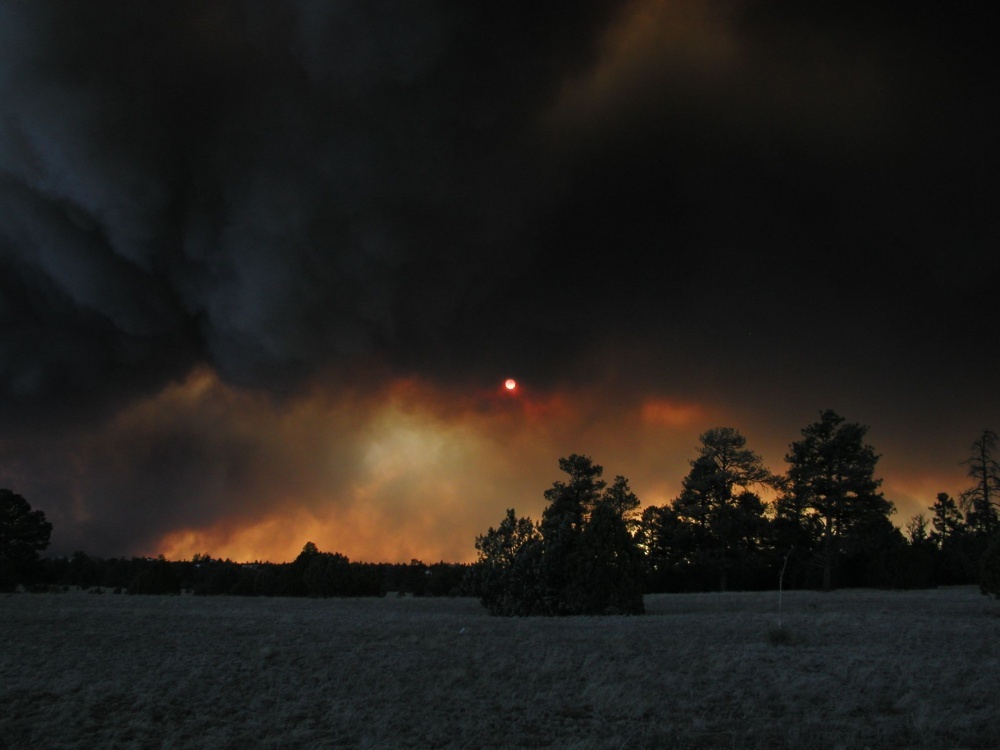
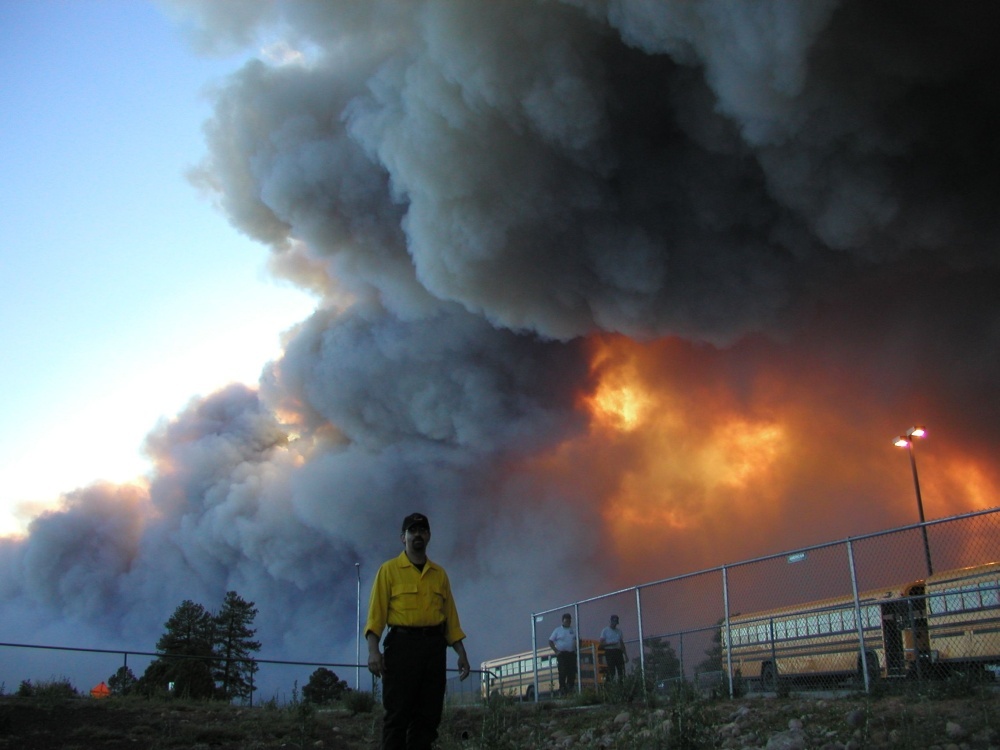
Snow water equivalent is essentially how the water in the snow translates to real, wet water – the kind rivers and people rely on. By some accounts, the prediction for this year’s total is now on par with – and potentially worse than – 2002, which previously held the record for one of the worst water years on the Colorado River. For those who live in the region, the catastrophic wildfires of 2002 are not abstract: the Hayman fire burned for over a month, killed six people, destroyed more than 600 homes, and amounted to estimates of $42 million worth in damages. That same year, Arizona experienced the Rodeo-Chediski fire, which burned nearly half a million acres.
But it isn’t just one fire in one year – throughout the Southwest and in California, regions are experiencing some of the largest, most catastrophic wildfires in history, and they’re occurring much more frequently.
Fires are just one way that the consequences of this hydrology are real.
Bad water years are felt by farmers and ranchers crunching the numbers and being forced to make impossible decisions about land, crops, and cattle.
They are felt by entire communities and businesses facing water cutbacks and rising energy costs.
They are felt by rivers warming beyond what fish and wildlife can withstand and by forests burning hotter and longer.
They are felt most by families who can least afford the inevitable lack of access to fresh water, threats of wildfires, and energy rate hikes.
It’s not one dry year that has placed the Colorado River and all who rely on it in peril; it’s decades of drought amplified by warming temperatures and a system still adjusting, or refusing to adjust, to the reality of a smaller river. The sponge is wrung dry, and we’re a long way from re-saturation. A “Miracle May” might be welcome, but it cannot erase two decades of declining flows and depleted reservoirs to save us at this point.
Aquifers are drained.
Soils are thirsty, trees are thirsty, animals are thirsty.
And we are thirsty and grow thirstier – continuing to promise water in a region that’s long been in debt.
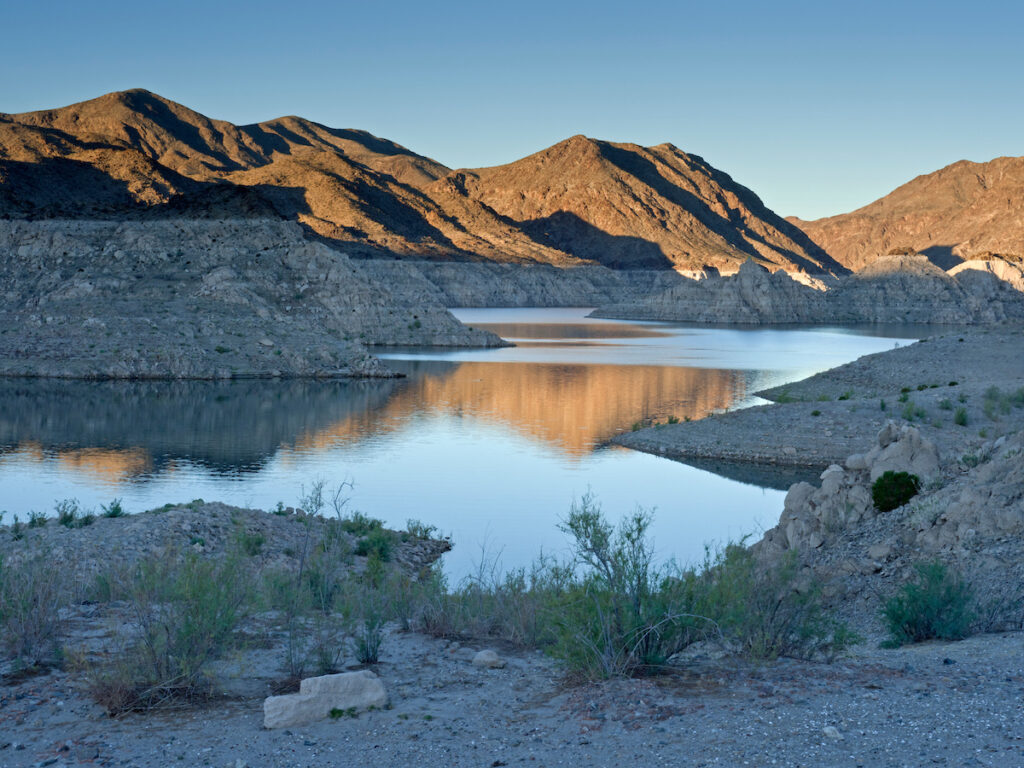
We cannot stop the drought or the wildfires. We cannot get more water into Lake Powell than Mother Nature will provide, without significant impacts to communities and economies.
The one thing we do have control over is how we respond. Though there are variables we can’t predict, we can control our collective actions. The reality is less water, and we must start there. With collaboration, transparency, and reliable funding, the West that is grounded in reality and capable of proactively managing scarcity rather than through litigation and denial. The opportunity to manage the river with the river itself at the core of considerations is now. And any leadership, any blueprint for the future must center the fact that without a healthy river, we can’t have healthy communities, economies, or ecosystems.
Stay up to date
We're hard at work in the Southwest for rivers and clean water. Sign up to get the most important news affecting your water, just like this update on Colorado River Basin Management.
But that future is contingent upon leadership, and developing and implementing a clear, transparent, and responsive blueprint through the new interim guidelines for Colorado River management. The guidelines should, at a minimum, address the following:
- If water managers consider emergency releases from upper basin reservoirs (such as Flaming Gorge, Blue Mesa, or Navajo) to move water into Lake Powell, how are they ensuring that each drop of water used is benefiting as many values as possible?
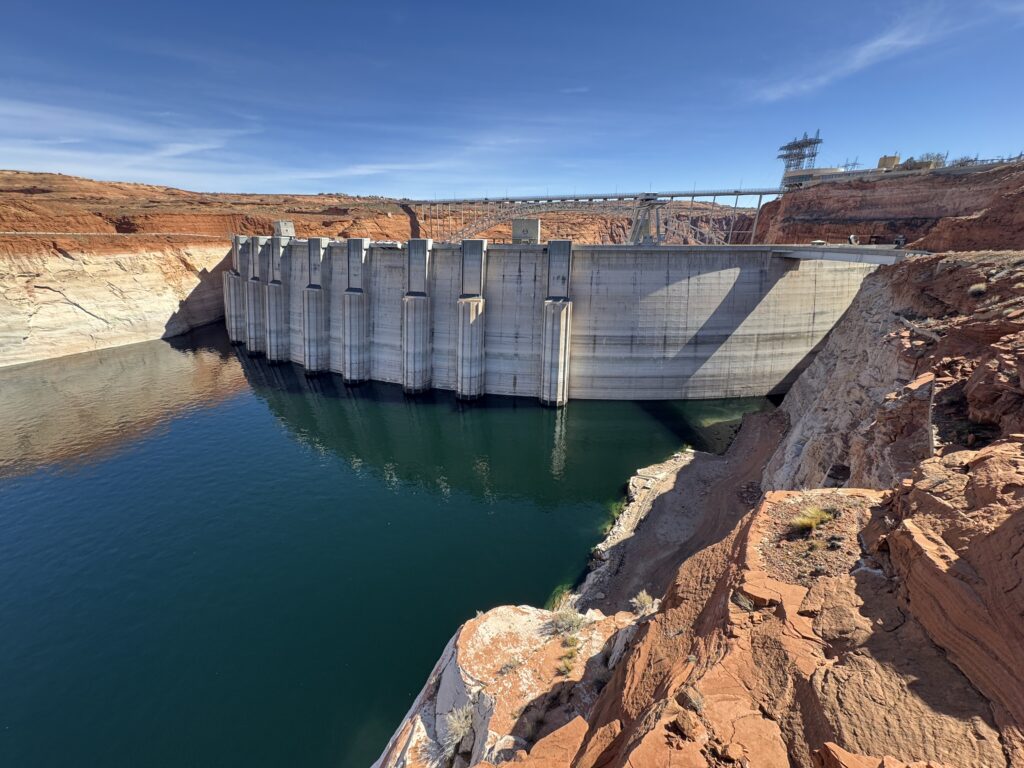
- How will reservoir operations at Lake Powell and Lake Mead be managed to preserve hydropower reliability while maintaining flows through the Grand Canyon, and what are the implications for energy prices and the availability of power?
- Are they considering testing the bypass tubes (which were resurfaced after damage from the 2022 simulated flood in the Grand Canyon) to see if water could be directed into the Canyon via those tubes? What do we know about the constraints on that system?
- The official elevation for the minimum power pool at Glen Canyon Dam (the point at which the dam can no longer generate hydropower) is 3,490 ft, but as the elevation declines (currently sitting at 3,530), at what point do whirlpools begin to form, sucking air into the turbines, and forcing Reclamation to shut down the turbines? In other words, can the models tell us when cavitation* will force a shutdown?
- How will flows through Glen Canyon dam be maintained into Grand Canyon, and what actions could be enacted to preserve fish and wildlife (and curtail invasive fish like smallmouth bass) and the rafting economy that depends on the flows as these lake levels decline?
- As reductions to Colorado River supplies continue to affect Central Arizona Project (a lifeline to urban centers like Phoenix and Tucson) deliveries, how will cities, tribes, and agriculture adapt, and what investments will be needed to maintain reliable supplies? What should water users anticipate? Is there a risk of the CAP going dry?
These questions are not theoretical. The current operating rules for the Colorado River expire in 2026, and the basin states and federal government are debating the next framework for managing a smaller river. The choices made in the coming months will shape how the West lives with less water for decades to come.
In short, it is both imminent and imperative that state and federal leadership plans for and communicate a response to a (very likely) severe shortage scenario. As John Fleck emphasized in his recent blog, if that planning is already happening, leaders need to “tell us what they’re going to do”.
If planning isn’t underway, the moment to step up to avoid certain catastrophe and ensure a water-secure future is now.
With forethought, collaboration, planning, and clarity, we can do more with less. But with the uncertainty we’re currently experiencing, short-term crisis response that’s poorly communicated, lacks leadership, and is temporary in nature will only result in greater losses of life and livelihoods.
The Colorado River will continue to shape the future of the West. The question is whether we confront reality now—with planning, cooperation, and investment—or continue reacting to crisis. Leadership today will determine which future we inherit. We urge, and we’re not above pleading, leaders to guide us into a future where the river flows, and our realities ebb and flow with it, instead of at its expense.