Bringing Life Back to the Van Buskirk Wetland
Returning this California floodplain to its natural state is a model for other communities around the country that face flooding.
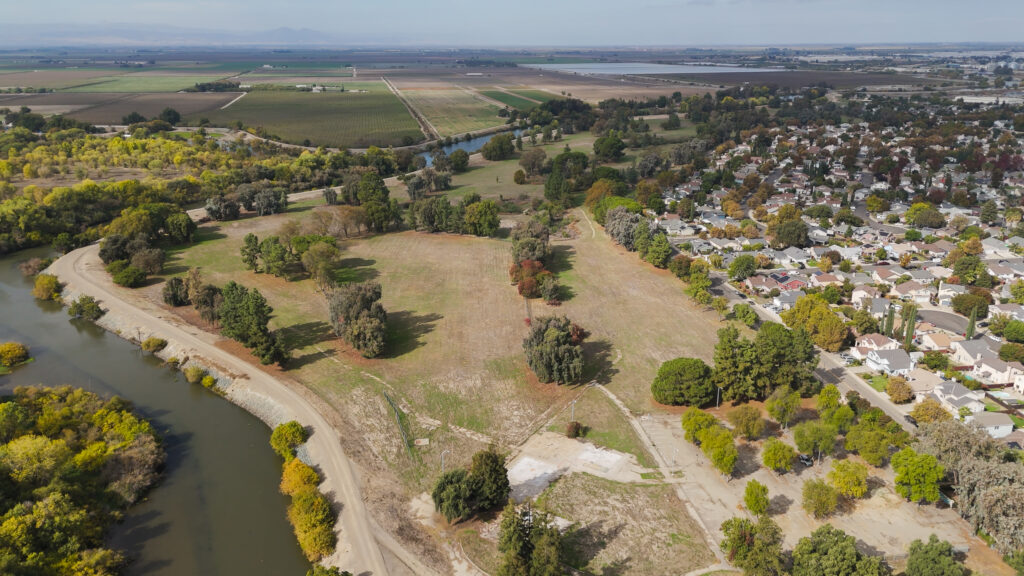
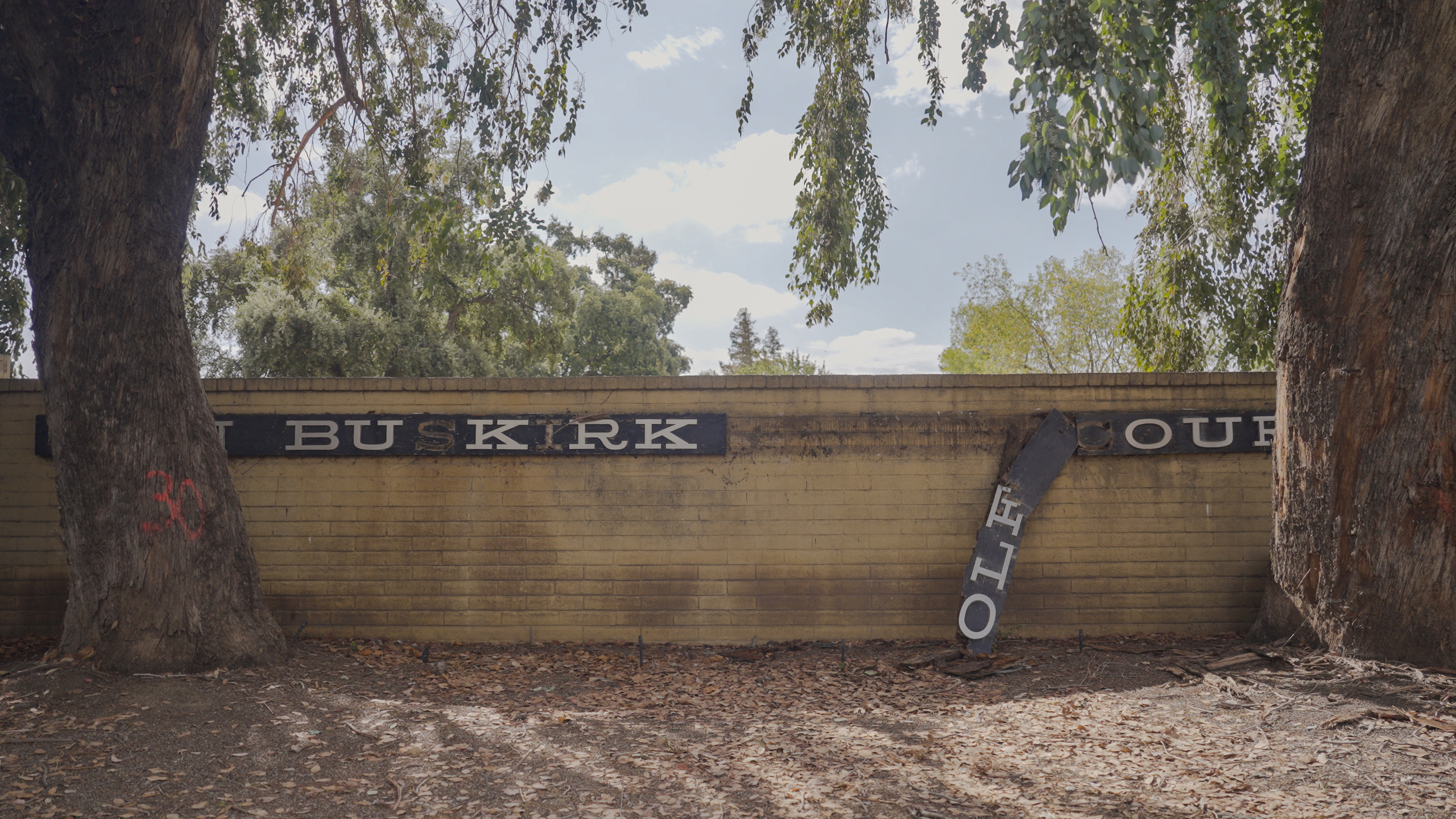
When the city of Stockton, California, closed the Van Buskirk Municipal Golf Course in 2019, local leaders were presented with a prime opportunity. The community of South Stockton, an underserved neighborhood, needed more green space and outdoor recreational opportunities. It also faced the looming threat of catastrophic flooding due to climate change and the aging flood infrastructure along the San Joaquin River. Now, with 192 green acres available, the city could potentially solve both problems if it worked toward a creative, nature-based solution.
A historic floodplain
When the Yachicumne Yokuts and Miwok Tribes were the primary stewards of this portion of California’s Central Valley, the area had been freshwater wetlands that were naturally designed to flood. When settlers arrived in the mid-1800s, the wetlands were rapidly replaced with agricultural fields, and the river was hemmed in by levees built to protect farms and crops from flooding. Over time, Stockton grew into an urban and diverse community of more than 320,000 people.
Although they remain the main tool to contain floodwaters, levees in the Central Valley are aging and in need of repairs. If the network of levees remains in its current state, it poses a great flood risk because the levees stand to fail as extreme precipitation threatens the region.
This is an equity issue. The primarily working-class communities of color living near the levees lack the financial resources, like flood insurance, to recover from the hazards of living in a historic floodplain.
As climate change increases extreme precipitation events and flooding, 1-in-5 San Joaquin River Delta residents will experience flooding each year, costing the city more than $28 billion in damages and impacting more than 17,000 homes by 2050, according to a study by the state of California. Finding a solution to address this risk is critical.
Solution: Build a park and return floodplains to their natural state
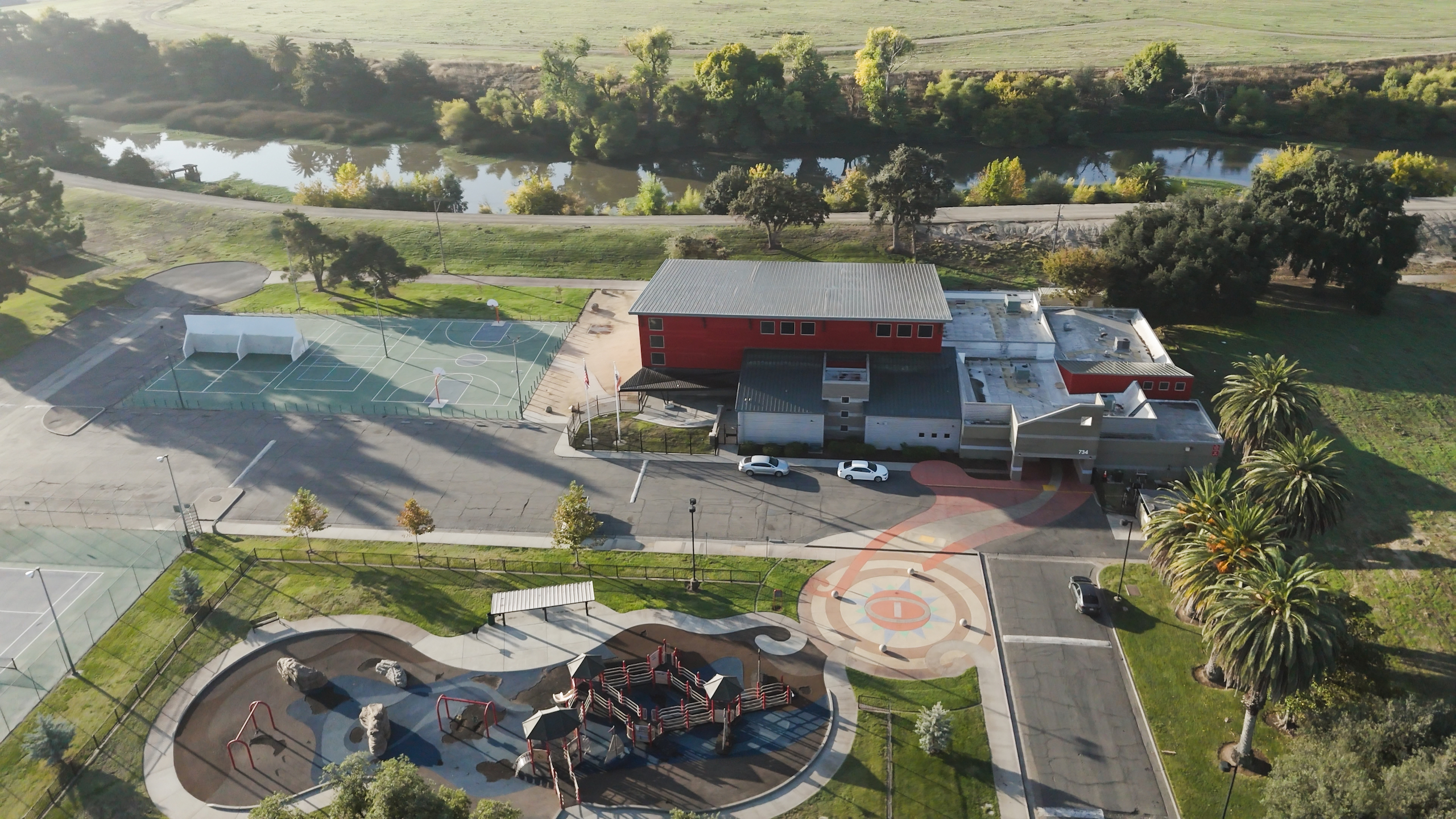
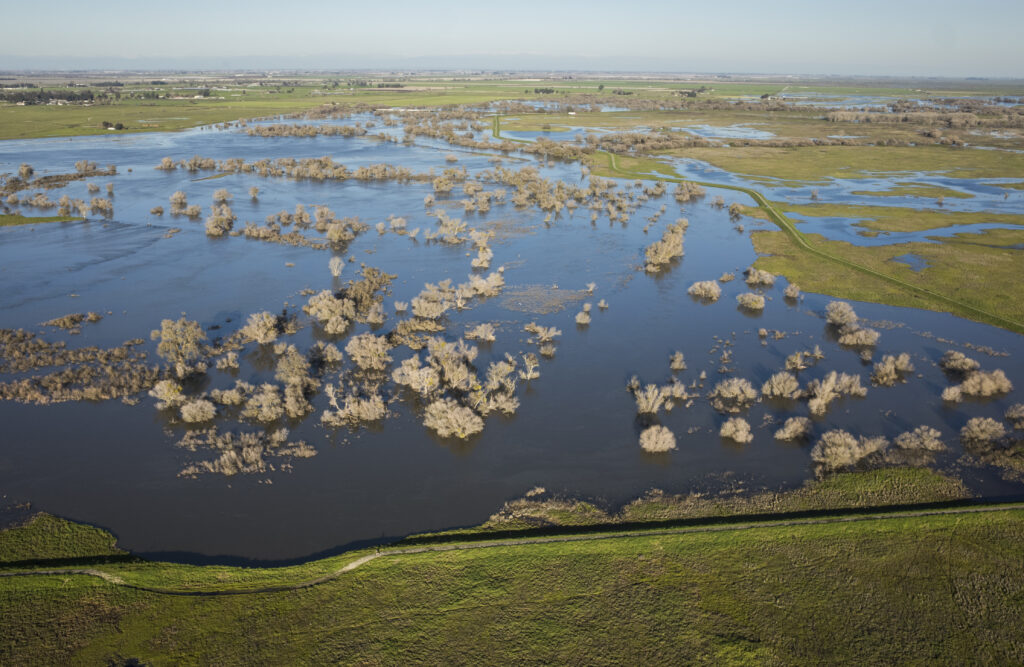
The historic wetlands native to the Central Valley were nature’s solution to flooding as the flat lands naturally disbursed excess water whenever the San Joaquin River was inundated.
Levees that set the river in place didn’t allow it to breathe and flood like it naturally would. American Rivers is working with the city of Stockton, the U.S. Army Corps of Engineers, and community partners to address the aging levees and subsequent flood risk. Through the Van Buskirk Park Revitalization project, the city is working to provide recreational areas, while the Army Corps is leading the effort to enhance the levee system along the San Joaquin River.
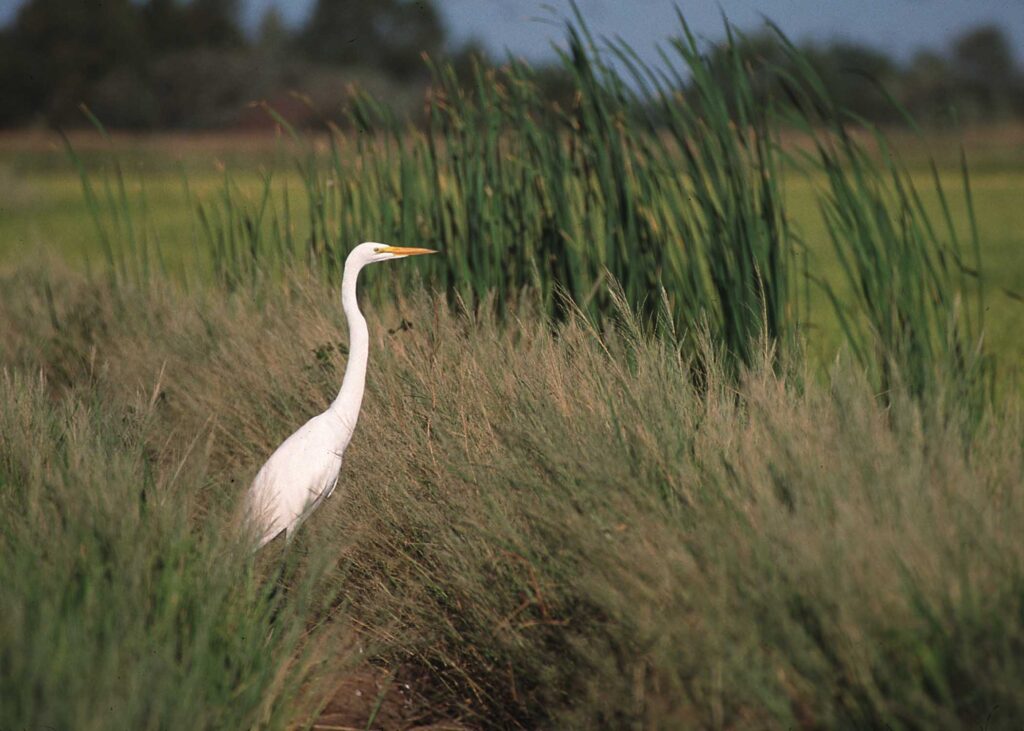
These projects have the unique opportunity to reconnect the river to historic wetlands and reduce flood risk, while providing more access to green recreational spaces, and potentially restore the area to a biodiverse habitat for wildlife.
The difficult part is the planning. The city has been working since 2021 to plan the park revitalization efforts while coordinating with the Army Corps, community partners, and project partners to plan the levee project at Van Buskirk Park. Meanwhile, the Army Corps is also working to create room for low-impact recreation into the potential setback levee area, as required by the city, as well as the Van Buskirk family, when the land was given to the city.
Help End the Cycle of Dangerous Flooding
Floods belong in rivers. American Rivers rehabilitates river ecosystems to support healthy communities. Join the effort to restore rivers and protect our communities from flooding.
What to do with the levees?
A big question is whether the Army Corps will repair and enhance the full levee where it currently stands or move a portion of the levee at Van Buskirk Park back from the river to create mitigation space that can give the river room to flood.
Setting back levees produces an environment for fish, birds, and endangered species, while reducing flood risk to the community.
The city of Stockton approved a master plan for the park revitalization project in 2023, which is when American Rivers joined to facilitate communication between different stakeholders and partake in planning the levee project. Since then, progress has been made to fund and permit the first phase of the park revitalization. The Army Corps is planning to enhance some stretches of the levee along Van Buskirk Park, but it won’t make a final determination on setting back a portion of the levee until 2029.
Until then, construction for phase one of the city’s revitalization efforts is expected to begin in 2026, and that will include improving and building public amenities, including a community garden, bicycle pump track, splash pad, and other recreational spaces. The public should begin to see the immediate benefits of having more access to outdoor spaces. Although the decision to set back a portion of the levee is still in the air, there is incredible potential for an ecologically diverse, natural floodplain that will better protect the city from catastrophic floods.
A model for flood-prone communities
Both the Lower San Joaquin River Project and the Van Buskirk Revitalization Project complement each other to provide a model for other communities looking for green spaces and flood protection. For the revitalization effort, the city of Stockton completed several community meetings and surveys that led to the Van Buskirk Master Plan and the upcoming construction of Phase 1. As the project and funding progress, the city plans to hold even more meetings to ensure that the master plan holds true to the needs of the community. Upon completion, not only will people have renewed access to the park, but their involvement in park planning will also boost further engagement. Meanwhile, the US Army Corps of Engineers has the potential to create a setback levee that provides space for the San Joaquin River’s natural processes, while strengthening flood protection. These are exactly the kinds of innovative approaches we need if we want to work with our rivers rather than against them.
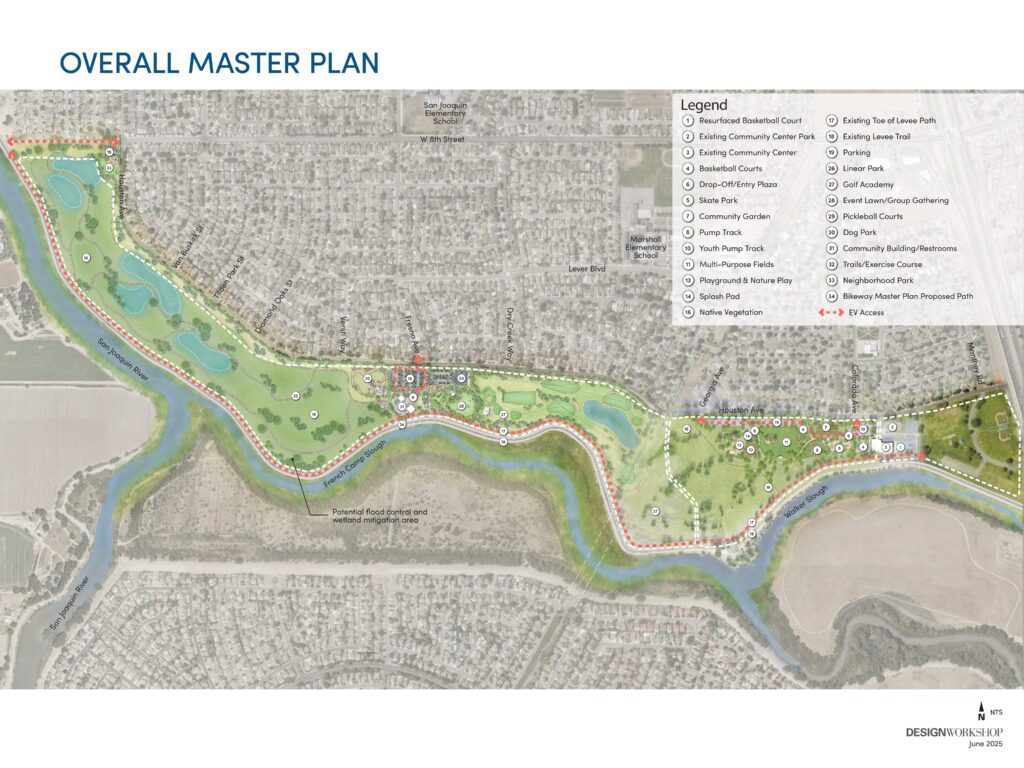
More information about the Van Buskirk Park Revitalization project can be found here.
Thank you to all project partners, including the City of Stockton, US Army Corps of Engineers, San Joaquin Flood Area Control Agency, Department of Water Resources, Restore the Delta, and Trust for Public Land.