52 Years of Wild and Scenic Rivers
President Lyndon B. Johnson signed the National Wild and Scenic Rivers Act into law, establishing a system of protection for rivers with outstanding values.
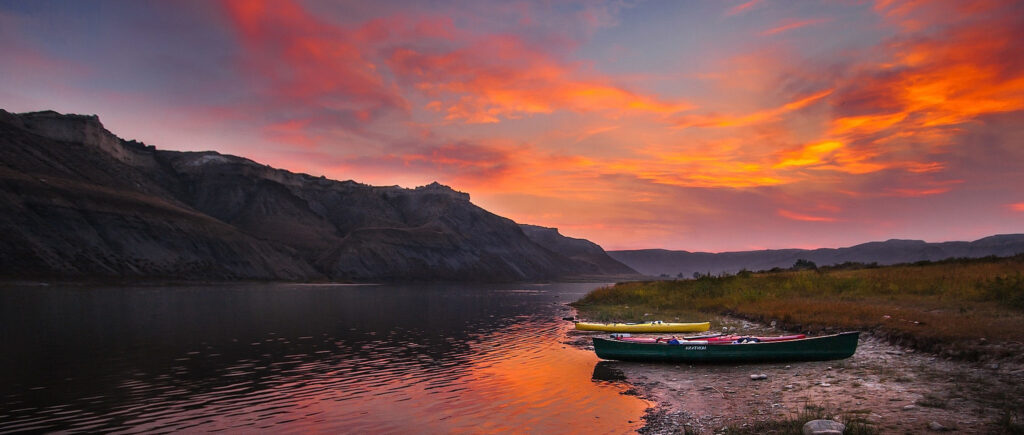
Even in turbulent times, rivers are a constant.
Their clean, free-flowing waters nourish our bodies, spirits and communities. Their lush habitats safeguard birds, fish and wildlife. They connect us to our history, to our future, to each other.
Today, we celebrate our nation’s Wild and Scenic Rivers. Fifty-two years ago, President Lyndon B. Johnson signed into law the National Wild and Scenic Rivers Act, establishing a system of protection for rivers with outstanding values. A Wild and Scenic designation is the strongest protection a river can receive, and means the river is forever protected from dams or other harmful development.
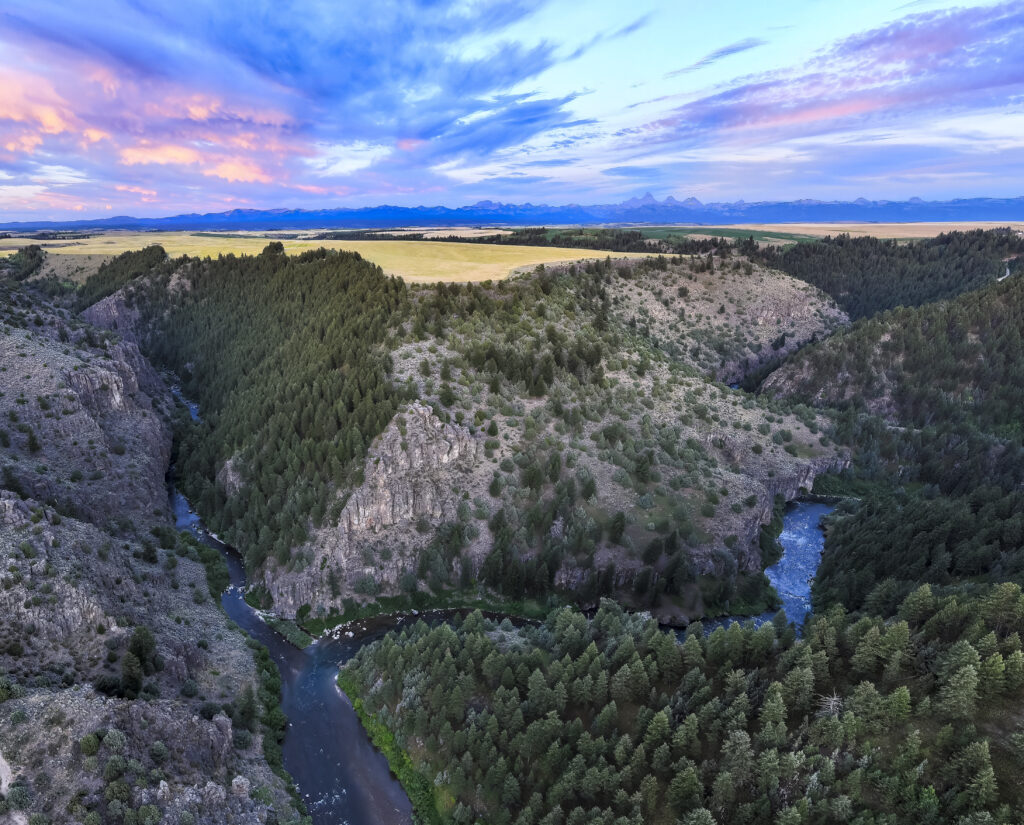
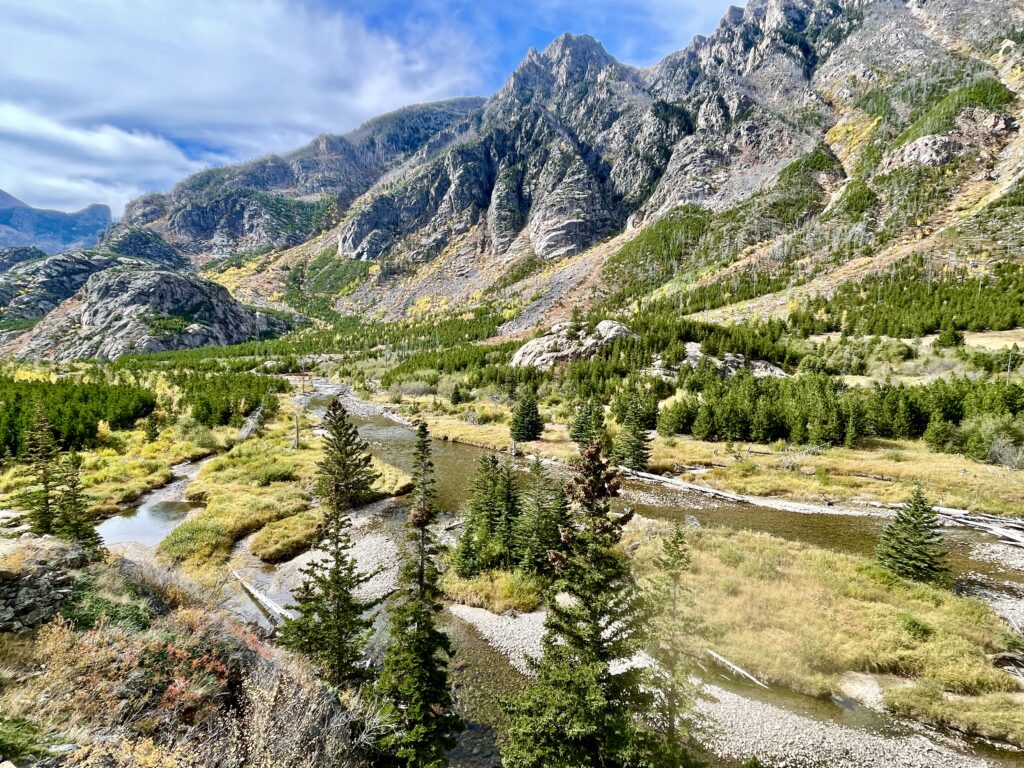
Wild and Scenic Rivers are national treasures – rivers like the Upper Delaware, Middle Fork Salmon, Rogue, Rio Grande and Chattooga.
To honor the 50th anniversary of the Act in 2018, American Rivers and our partners set a goal to protect 5,000 new miles of Wild and Scenic Rivers and 1,000,000 acres of riverside lands, and to build a river conservation legacy. Thanks to you and supporters nationwide, we’re well on our way to victory – we’ve protected more than 1,800 miles of our 5,000 miles goal, and 500,000 acres of land.
The movement to keep our nation’s rivers free-flowing is growing, as well. Campaigns across the country are working to protect an additional 5,000 miles of rivers in states including North Carolina, Tennessee, Montana and Oregon.
Congressional champions including Senators Udall and Heinrich of New Mexico, Senator Wyden of Oregon, Senators Murray and Cantwell of Washington as well as U.S. Representatives Huffman and Kilmer are championing Wild and Scenic protections in Congress totaling over 1,300 miles. The Gila In New Mexico, the Owyhee in Oregon, portions the Trinity River watershed in California, and the rivers flowing off of the wild Olympics in Washington State would be protected under pending legislation.
But we have much more work to do – not only to protect clean water and healthy, free-flowing rivers, but to demand safe, equitable access to rivers and the outdoors for all. To ensure communities of color can take the lead crafting river protection solutions that impact their futures. And to listen and learn from Indigenous leaders who have been stewards of our rivers since time immemorial.
Upon signing the Wild and Scenic Rivers Act on October 2, 1968, President Lyndon Johnson said, “Every individual and every family should get to know at least one river.”
Today, I hope you follow President Johnson’s advice and get out to enjoy a river near you, while wearing a mask and maintaining social distance of course to protect your family, friends and community.
Take a moment to appreciate all we’ve accomplished for Wild and Scenic Rivers, together. And join us as we embark on a new era of river protection, advancing a vision of clean water and healthy rivers everywhere, for everyone.