Our Obligation to the Smith
Guido protects rivers for a living, but when a proposed mine threatens the river his family has recreated on for decades, it hits too close to home.
Guest post by Guido Rahr is a part of our America’s Most Endangered Rivers® series spotlighting the Smith River.
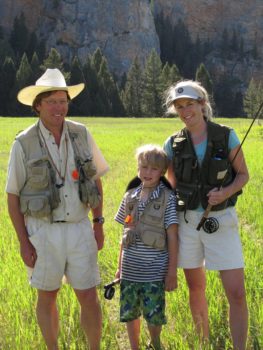
Rahr family on the Smith River.
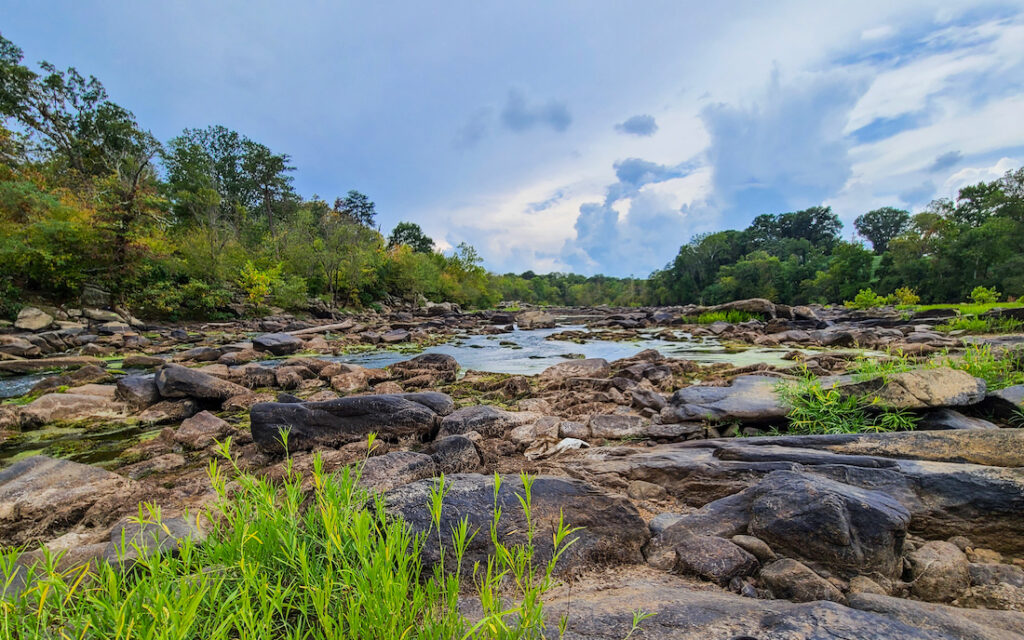
Our family has had a ranch on the Smith River for almost 40 years. It is nestled in a broad valley, perched 800 feet above the river. From the edge of the canyon we can see the Smith far below: clear rifles gliding over yellow rocks and deep blue corner pools where the river has cut through hundreds of millions of years of ancient marine sediments. No painter of imaginary landscapes could describe a more beautiful tapestry of clear water, golden meadows, forests of Douglas Fir and limber pine — all framed by towering cliffs of cream and rust colored limestone.
The Smith River canyon is our place on the planet. It is where we come and where we will go. It is where we the different generations of our family come together, where we raise our children, teach them to flyfish for trout in the summer, and hunt deer and elk in the fall. My wife Lee and I were married on the meadow above the river, and my father and mother are buried there.
I am a landowner on the Smith and I also protect rivers for a living. My organization, Wild Salmon Center, gives me a front row seat on rivers that have been lost – and those which may be next. Gold and copper mines are our worst nightmare. We and our partners are now fighting mines in Bristol Bay Alaska and the Russian Far East. When my family learned of the Canadian mining company Tintina’s proposed mine in the headwaters of the Smith River, it hit close to home. Way too close.
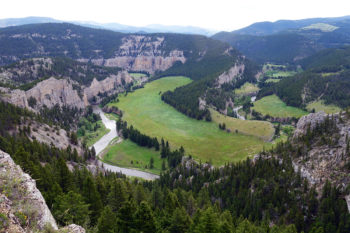
Smith River, MT
There are many ways to destroy a river, but few are as pernicious as placing a hard rock mine in the headwaters. These type of mines often generate acid mine discharge, which shifts the delicate chemistry of rivers and undermines the very building blocks of aquatic life. What makes these kind of mines so dangerous is that the damage can be permanent. The threat of acid mine drainage or the catastrophic failure of a tailings pond never goes away. It can happen while the mine is in operation, or fifty years later. Witness the tailings dam failure of the Mount Polley mine in British Columbia in 2014, or the failure of the Gold King Mine in the headwaters of the Animas River in Colorado in 2015.
Anyone who has a commitment to a place of beauty and family history will fight to protect it. Mining companies always say there is no risk, that they are employing the best technology, that the community needs jobs. But in the end, the company will harvest its profits, then they will leave, and the jobs will dry up. But the mine and its reservoir of toxic chemicals will never go away. It will remain hidden far upstream, out of sight, hanging like the sword of Damocles, perched above us and our beautiful river, threatening everything out family holds sacred. Of course we and our neighbors on the Smith will fight the mine. It is an obligation that comes with the land.
Guido Rahr is the President and CEO of the Wild Salmon Center in Portland, Oregon. His family has had a ranch on the Smith River for 40 years.