Women and Water
Remarkable women who fiercely advocated for our rivers and clean water
To say that women are the keepers of water is not an original thought; women throughout history have studied, stewarded, and guarded rivers and clean water, and have served as some of rivers fiercest protectors, greatest observers, and most staunch advocates. Through oral histories and written words, women continue to shepherd the stories of water and rivers that shape our relationships today.
Natalie Diaz, Pulitzer Prize winning author of “Postcolonial Love Poem” said it best:
“Every story is a story of water”
And so many stories of water, are stories of rivers.
This is a tiny sampling and nod to some of the inspiring women writers of those stories:
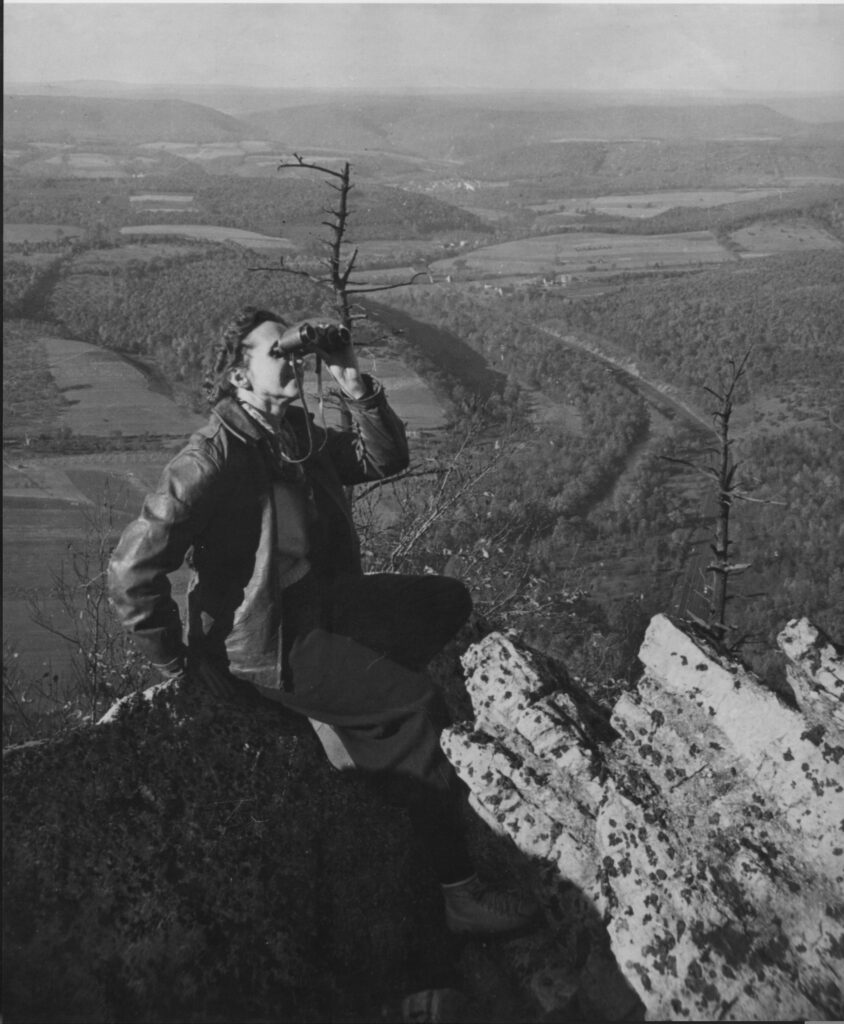
RACHEL CARSON (1907-1946)
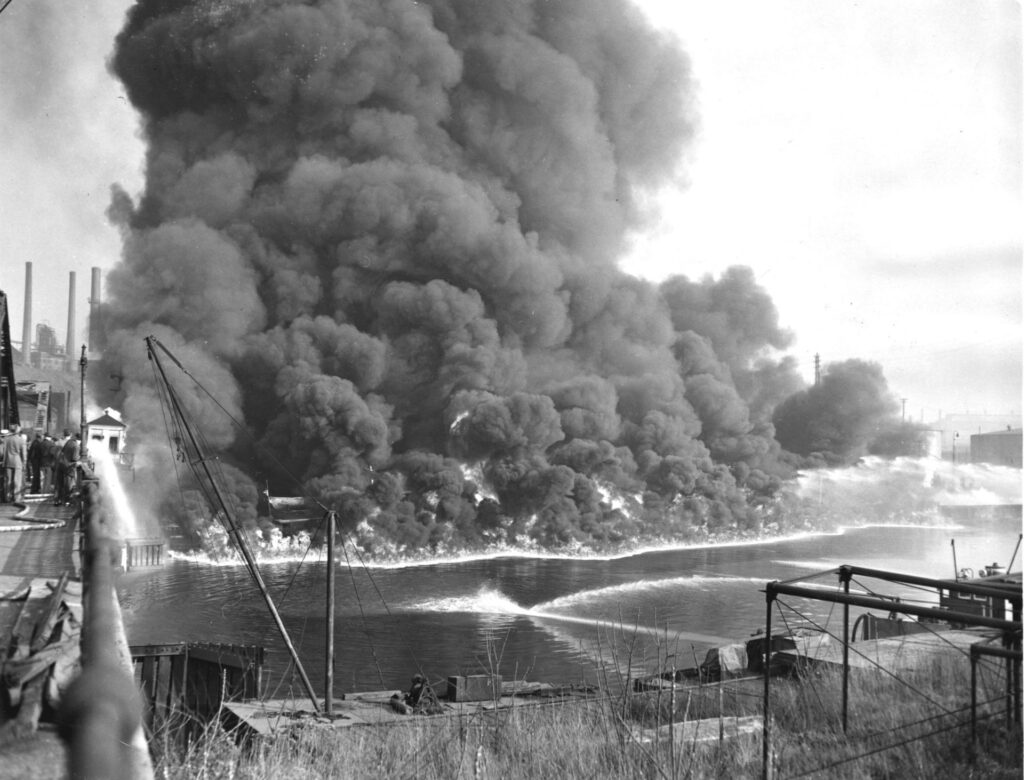
In 1962, marine biologist and writer Rachel Carson published Silent Spring, exposing the devastating impacts of DDT to humans and ecosystems alike. Though chemical companies spent inordinate sums trying to delegitimize her work – often using her identity as a woman as part of their claims –the heart at the core of Carson’s observations and investigations gave her impeccable research wings and resulted directly in the formation of the EPA, and landmark legislation like the Clean Water Act.
Though it is perhaps, cliché, it is impossible (at least for me) to think about women working on river and waters without acknowledging Carson’s work. Her approach to environmentalism, science, love and observation is lucid, lyrical, detailed and unflinching.
And Carson’s work is, of course, gravely under threat and along with it, the health of the rivers we rely on for sustenance and sanity.
“The most alarming of all man’s assaults upon the environment is the contamination of air, earth, rivers, and sea with dangerous and even lethal materials” – Rachel Carson
READ: Silent Spring
Learn more about threats to the Clean Water Act and its definition of Waters of the United States (WOTUS)
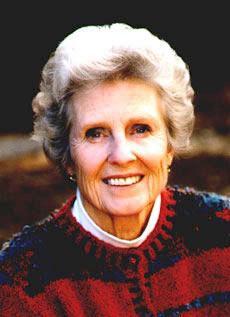
ANN ZWINGER (1925-2014)
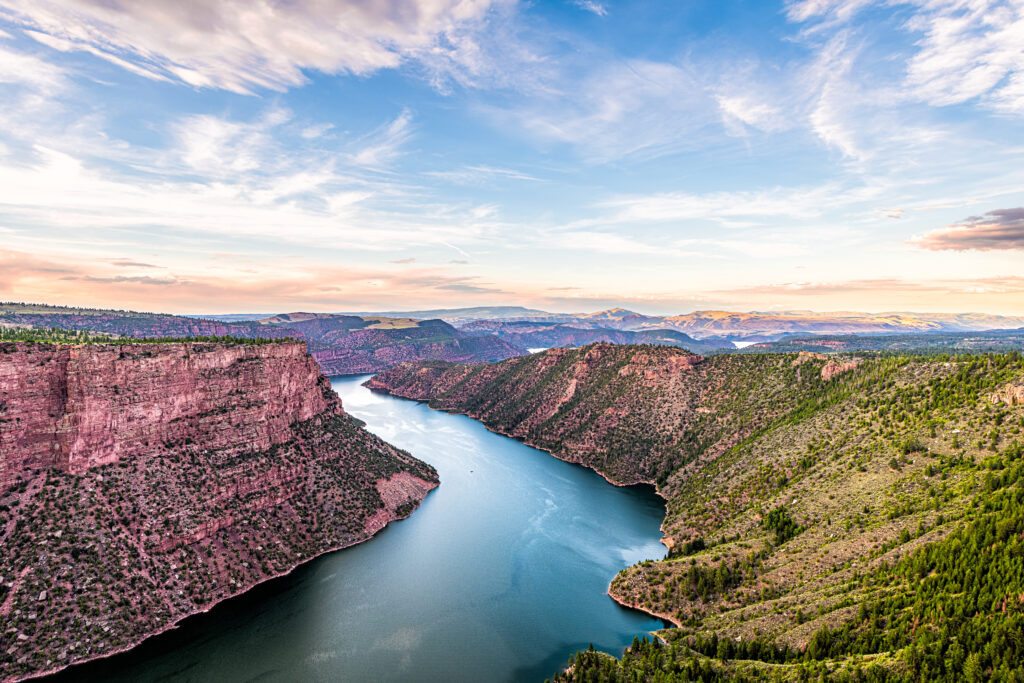
Not unlike Carson, Zwinger believed that to witness a place – to come to know it in some way – was to love it, and that if you could see the intricate, interconnected, miraculous way rivers and their ecosystem work, you would want to protect them. A student of art history, Zwinger authored more than 20 books on natural history, most focused on the West. Her words were often accompanied by her illustrations. In her 1972 book, Run, River, Run, for which Zwinger was awarded the 1976 John Burroughs Award for Nature Writing, Zwinger instills a conservation ethos simply by documenting what was lost when the Flaming Gorge Dam strangled the Green River’s flow.
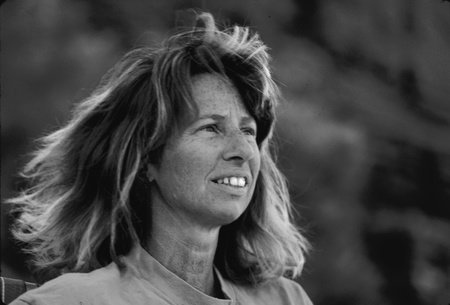
ELLEN MELOY (1946-2004)
In many ways, Ellen Meloy carried on the tradition of observation. Meloy wrote from experience, which is to say, from the grit of the deserts and cool of the rivers she spent time observing and relishing and rendered what she witnessed on the page in a manner that often acted as an invitation. Her first book, Raven’s Exile: A Season on the Green River, is a compilation of eight years of observations from trips down the Green River and arguably a seminal text for anyone reliant on the Green for their lives, livelihoods or sanity. Through her observations and lyric passages, Meloy engaged a reader in something more like a relationship than a litany of facts, and through that relationship an ethos of conservation. Meloy also didn’t shy away from the devastation of writing about places lost and treated the loss like that of any relative.
In a later book, The Anthropology of Turquoise: Reflections on Desert, Sea, Stone and Sky, she wrote: “I write a book about a river and cannot tell if it is a love story or an obituary or both.”
Learn more about the Green River and threats it faces
DR. ELZADA CLOVER AND LOUIS JOTTER
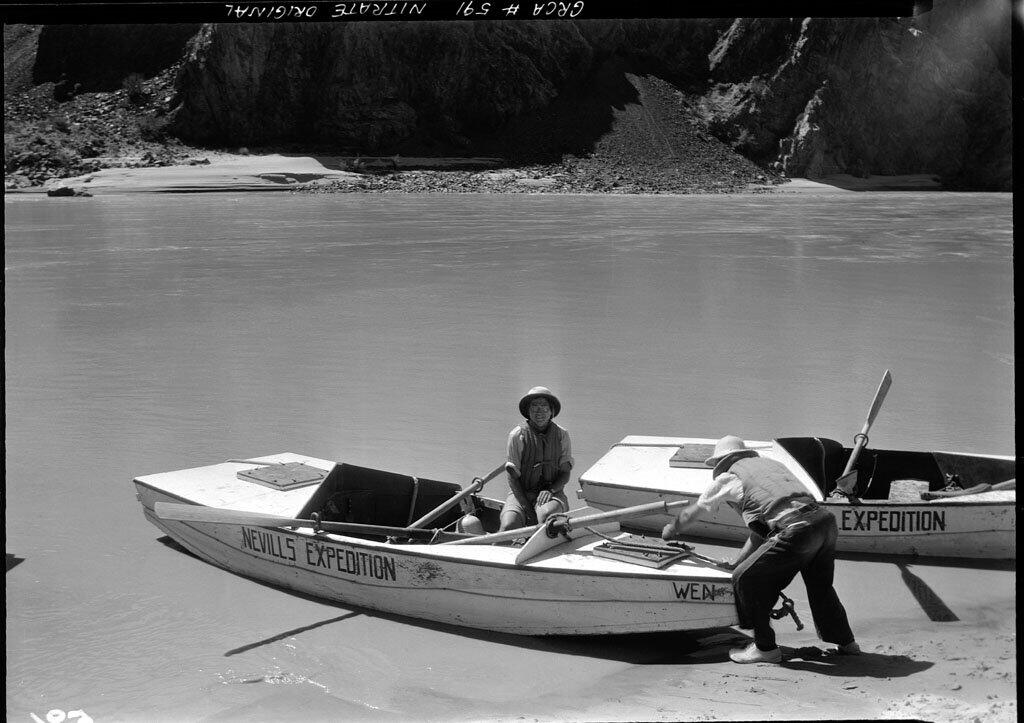
Contemporary writer Melissa Sevigny’s latest book Brave the Wild River: The Untold Story of Two Women Who Mapped the Botany of the Grand Canyon features the under celebrated Dr. Elzada Clover and her graduation student, Louis Jotter. At the time of their 1938 trip down the Canyon on a commercial trip run by Norman Nevills, the women faced scrutiny from the press about whether they could survive at all (giant eye roll). They were rare women in a burgeoning field of biology, rarer still to be doing the remote field work, rarest most perhaps to be studying the spined and stinging species they were. Clover, by then a professor at the University of Michigan, was the senior botanist on the trip. As the first white women to raft the Colorado River, Clover and Jotter collected hundreds of plant species and are credited with conducting the first systematic plant survey of the Grand Canyon’s river corridor. Published in 1944, their work was titled “Floristic Studies in the Canyon of the Colorado and Tributaries” and provides the foundation for the research that, to this day, many women lead in the Canyon.
For her part, the contemporary author of the book Melissa Sevigny has written extensively about the West. In her book Mythical River, Sevigny writes about the rivers that make the West both what it is and can never be. Her articles about the natural landscapes and waterways of the West appear in Orion, High Country News, Arizona Highways, and The New York Times.
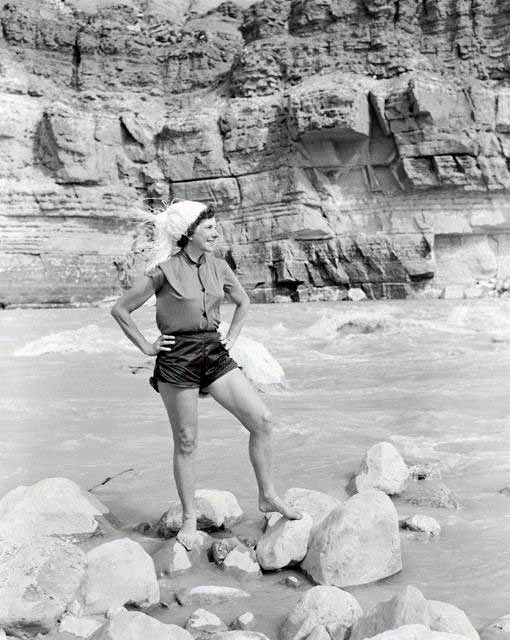
FIERCE COUNTRY: The Untold Story of Three Women Who Ignited America’s Love for the Wild (featuring Georgie White), Heather Hansman
If Clover and Jotter can be credited with laying the foundation of botanical knowledge and research in the Canyon, Georgie White deserves credit for innovating and crafting the burgeoning river-running industry in the Grand Canyon, starting her own company in 1953 and shuttling thousands of humans down the river during the course of her storied career. Georgie is legendary in the Canyon, her name rendered through late night skinny dips, leopard print anything, and a fierce commitment to the place where she found home after the tragic death of her daughter. Though Georgie didn’t write a book herself, her stories are chronicled in a number of anthologies, and in a biography by Richard Westwood. Most recently, another celebrated writer of the West – Heather Hansman – includes Georgie’s story in her latest book, Fierce Country: The Untold Story of Three Women Who Ignited American’s Love for the Wild alongside Dolores LaChapelle and Anne LaBastille.
In Hansman’s first book, Downriver: Into the Future of Water in the West, she chronicles her own journey down the Green River and provides a critical update and new insights into the rapid aridification and changing environment that dictates the fate of the West’s rivers.
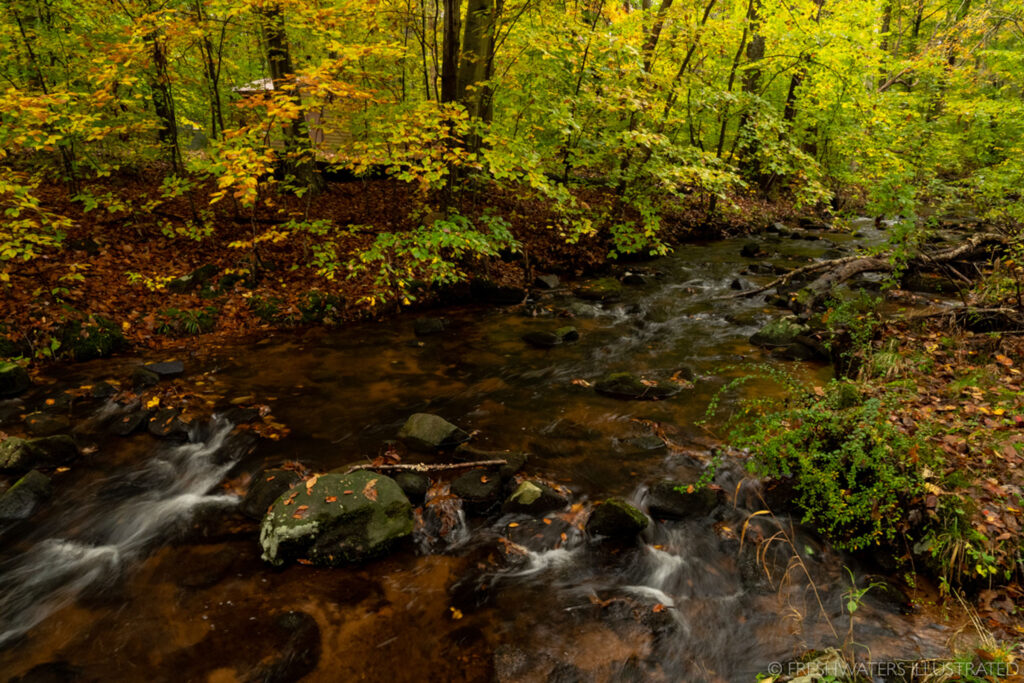
Congress must reinstate federal protections for all streams and wetlands
Tell Congress to recognize the value all streams and wetlands. These waterways deserve federal protections, and Congress must reinstate these key protections to the Clean Water Act.
There are so many more; so many women whose words (spoken and written) and whose fierce, attentive observation and care for rivers and all that they provide offers the blueprint for their conservation today.
In another of her poem’s, Natalie Diaz writes.
The Colorado River is the most endangered river in the United States – also, it is a part of my body.
I carry a river. It is who I am: ‘Aha Makav. This is not a metaphor….
At the end of the poem, Diaz asks:
Will we remember from where we’ve come? The water.
And once remembered, will we return to that first water, and in doing so return to ourselves, to each other?
Do you think the water will forget what we have done, what we continue to do?
Read the full poem HERE
Read works by Natalie Diaz HERE