University of Montana wildlife biology student Jaydon Green traveled throughout western Montana this fall photographing rivers for American Rivers through the eyes of both an artist and a scientist. He shares with us his experiences of learning to capture the essence of wild rivers.
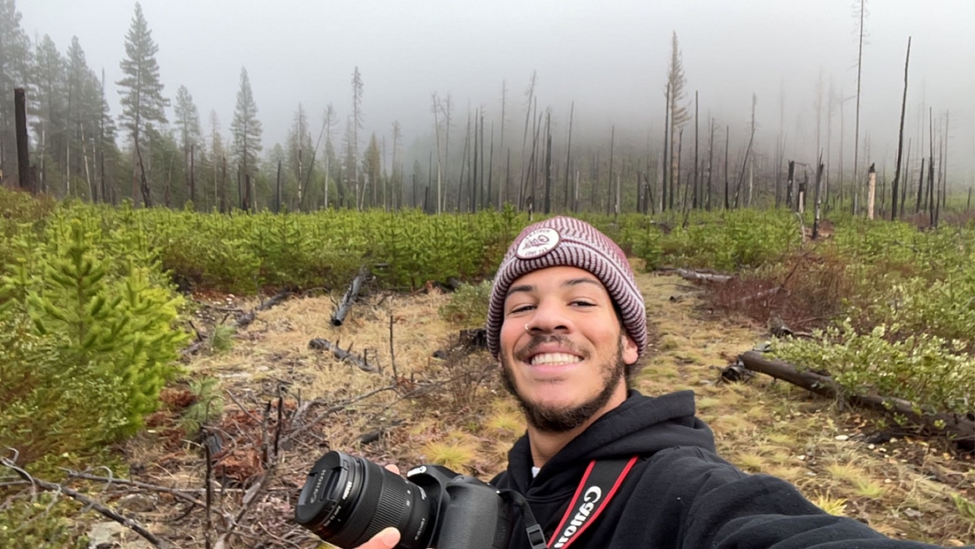
These are just a few of the 28 special rivers flowing within the Lolo National Forest that deserve protections to ensure they remain clear, cold, and copious well into the future. Interning with American Rivers allows me to share the beauty of wild rivers with you.
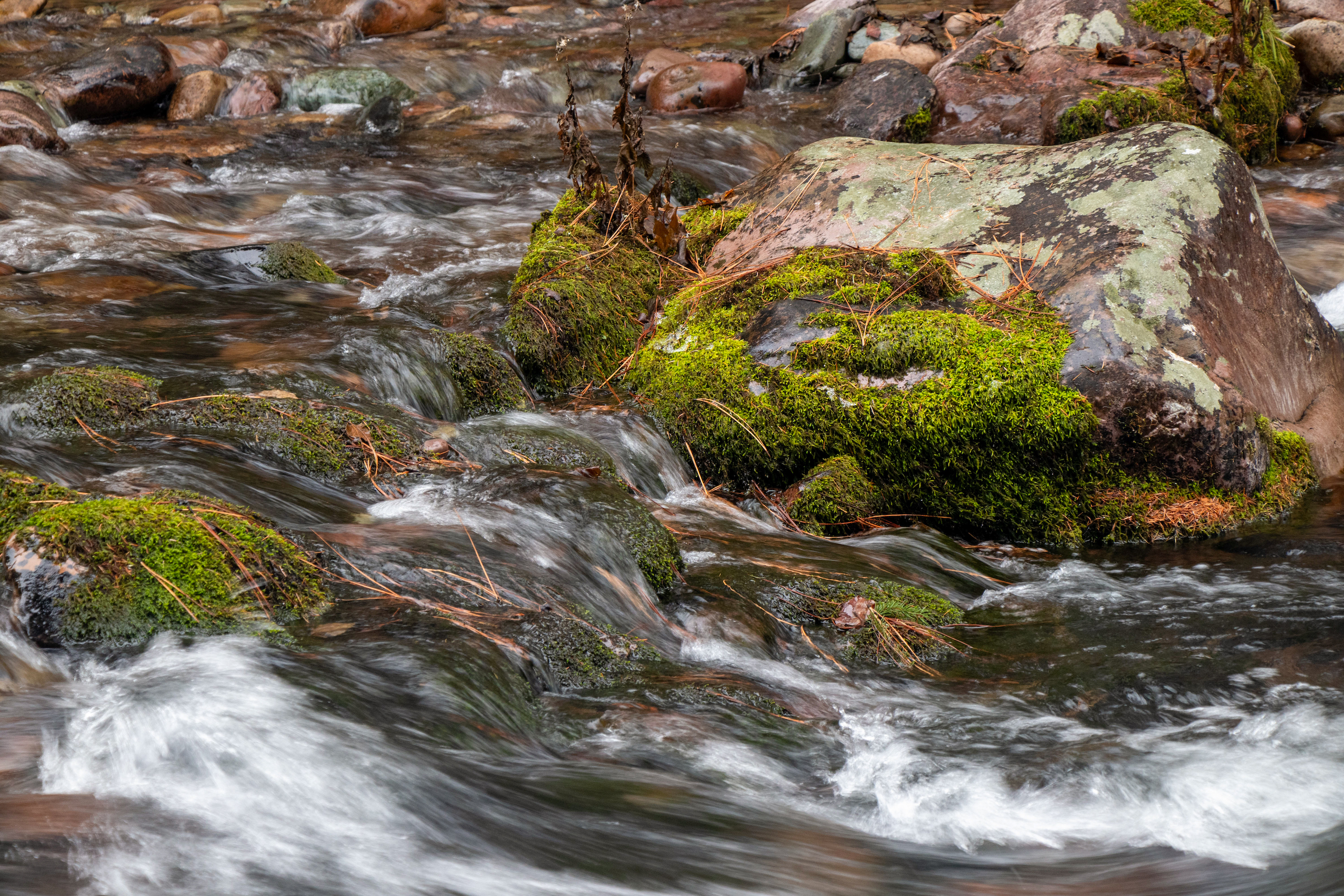
Rattlesnake Creek
Growing up, I spent a lot of time walking around outside looking for bugs, birds, and other little critters I could see in my neighborhood. This quickly developed into a passion for exploring and discovering animals and plants that can’t be seen in everyday city life. When I moved to Missoula, one of the first things I noticed, and soon fell in love with, was how interconnected the city is to nearby nature. Rattlesnake Creek is somewhere I often return. The sounds of the creek, the rustling leaves, the call of a bird- evoke a sense of inner calm. I feel like a kid again. Chasing the pileated woodpeckers from tree to tree. Watching the deer seamlessly navigate the twists and turns of the intricate forest floor. I always find something I haven’t seen before, and my childhood self couldn’t be happier.
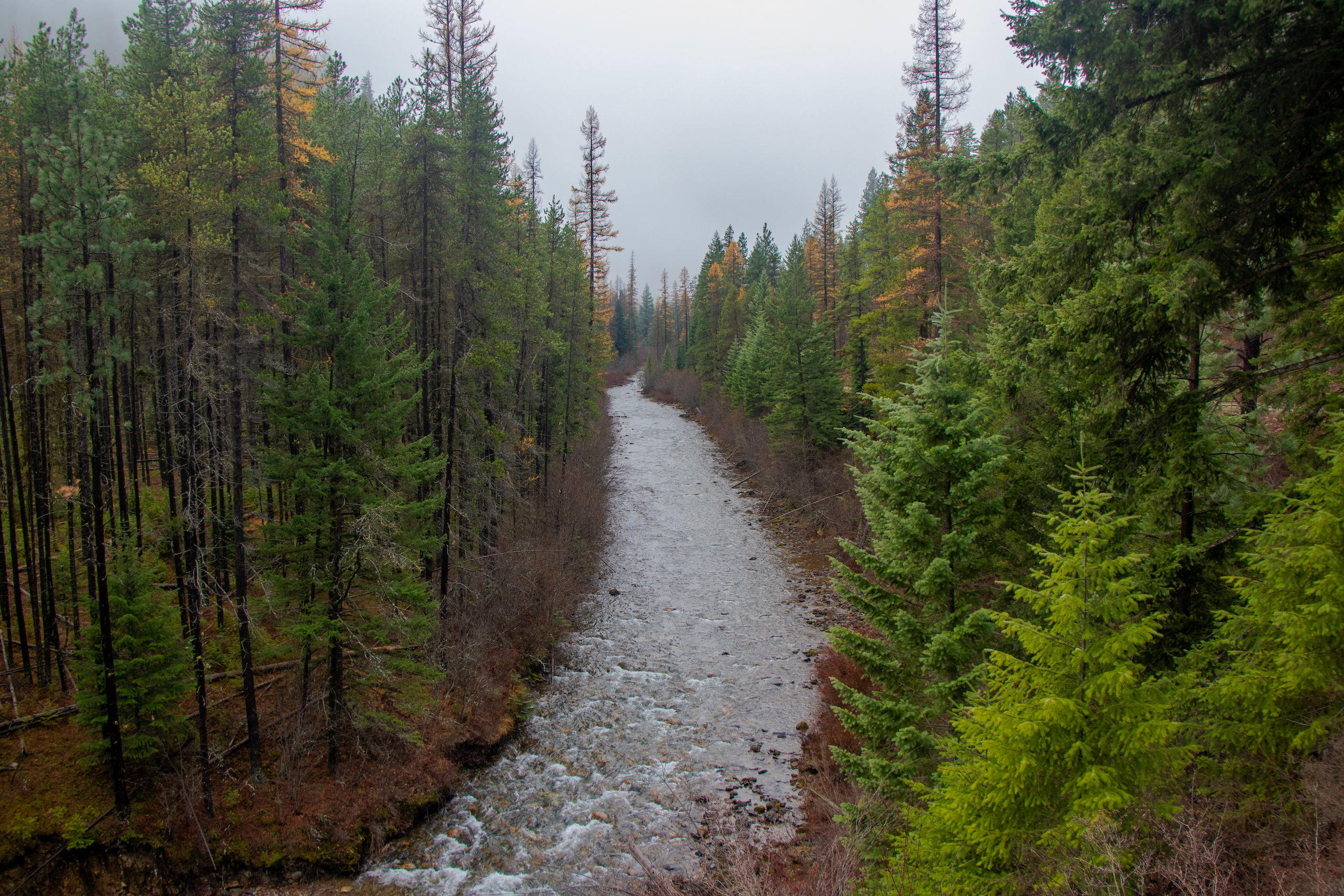
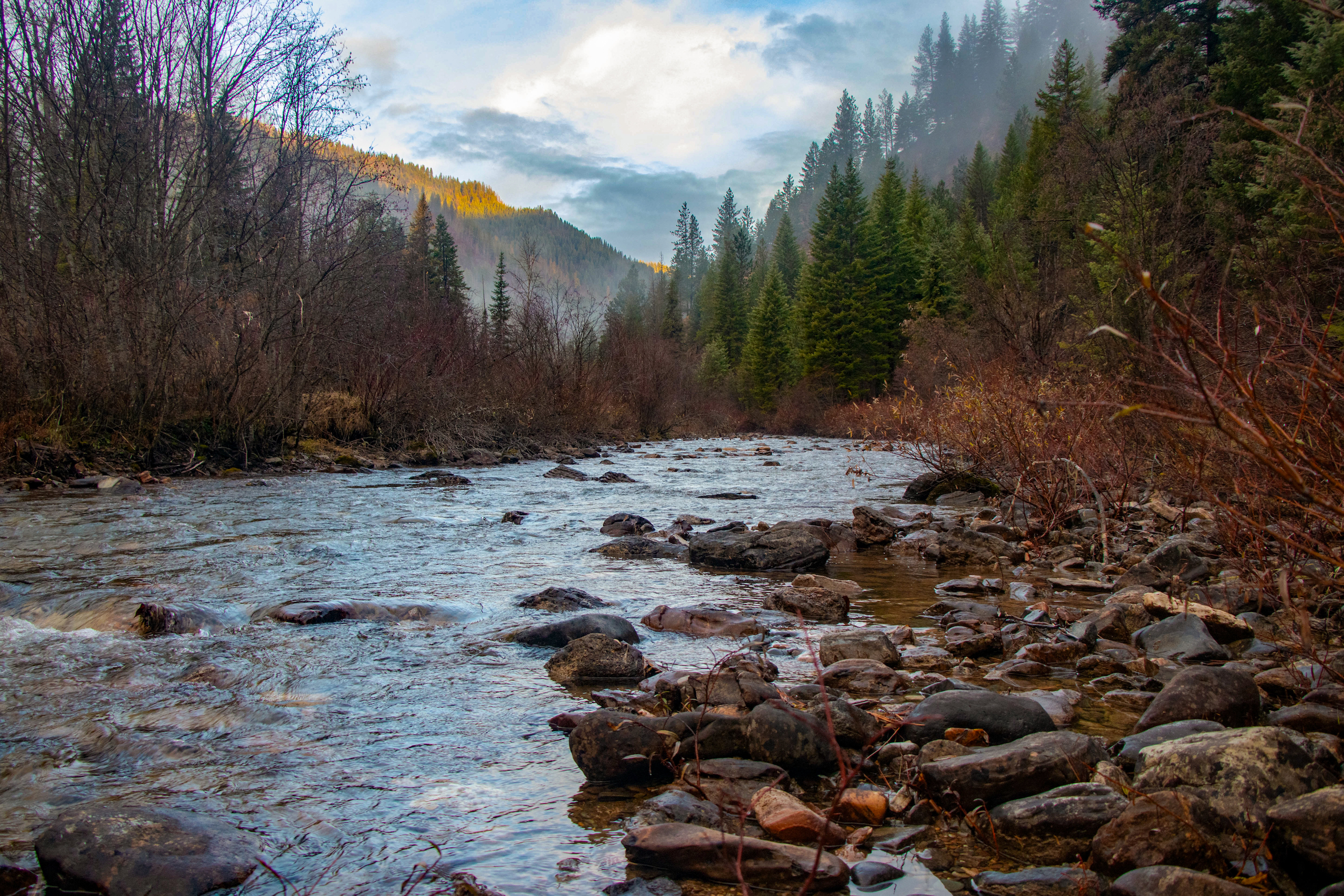
Fish Creek
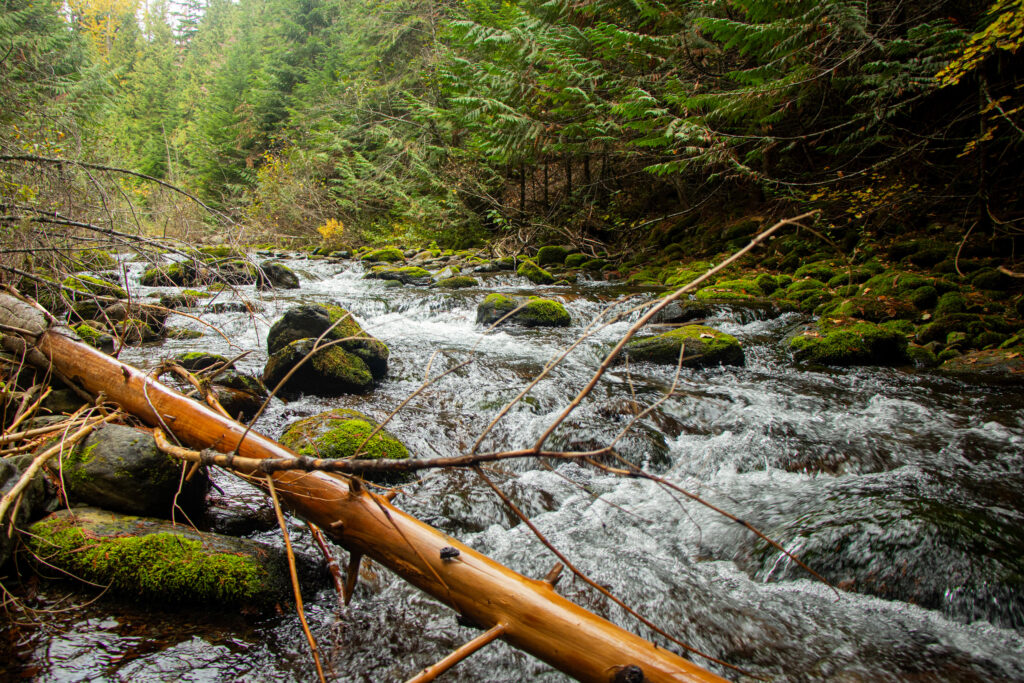
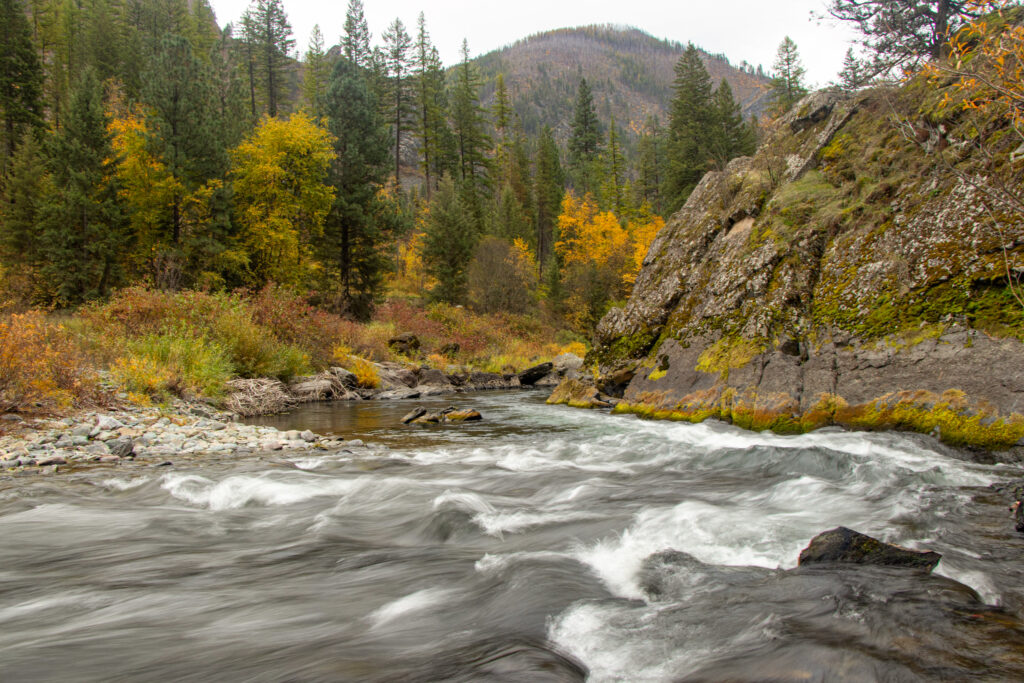
I arrived at the North Fork Fish Creek Trailhead before first light and took one of the freshest breaths of air I have ever inhaled. The air was cool and crisp, and the ground was covered in dew. A thick surreal fog had settled in the valley. In the dawn light, tears of joy came to my eyes when walking through a previously burnt forest, as I saw thousands of young trees growing and bringing back life. As I walked down this trail taking pictures and exploring, I lost track of time.
Thompson Falls
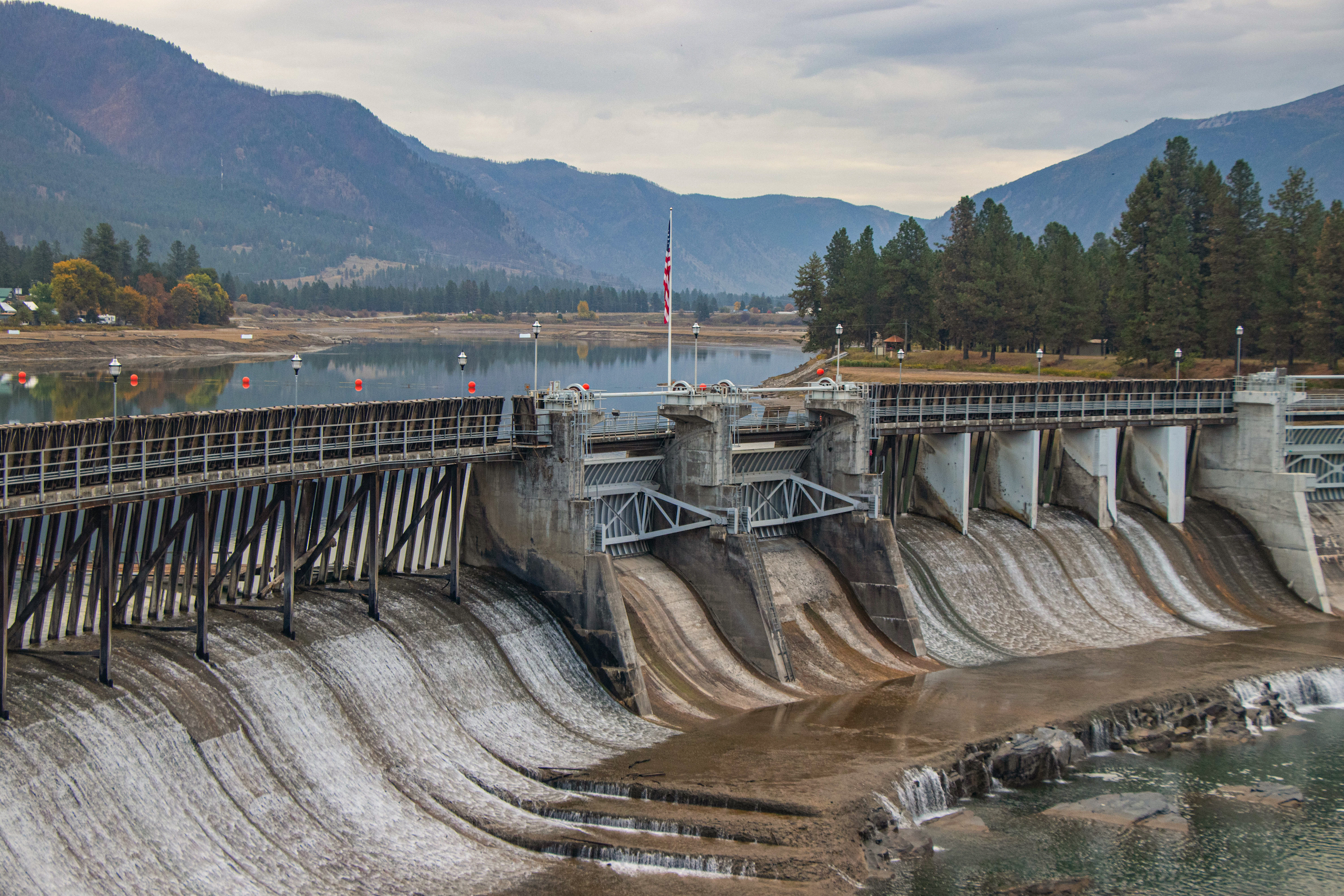
As a wildlife biologist, I find comfort in the natural world, where the land appears untouched and the waterways create their own paths. I remain stubborn in believing that development could never amaze me in the same way that patterns in the bark on a tree do. When visiting the Thompson River and nearby Thompson Falls Dam, I was shocked by the contrasting dynamic between natural and man-made.
Clearwater River
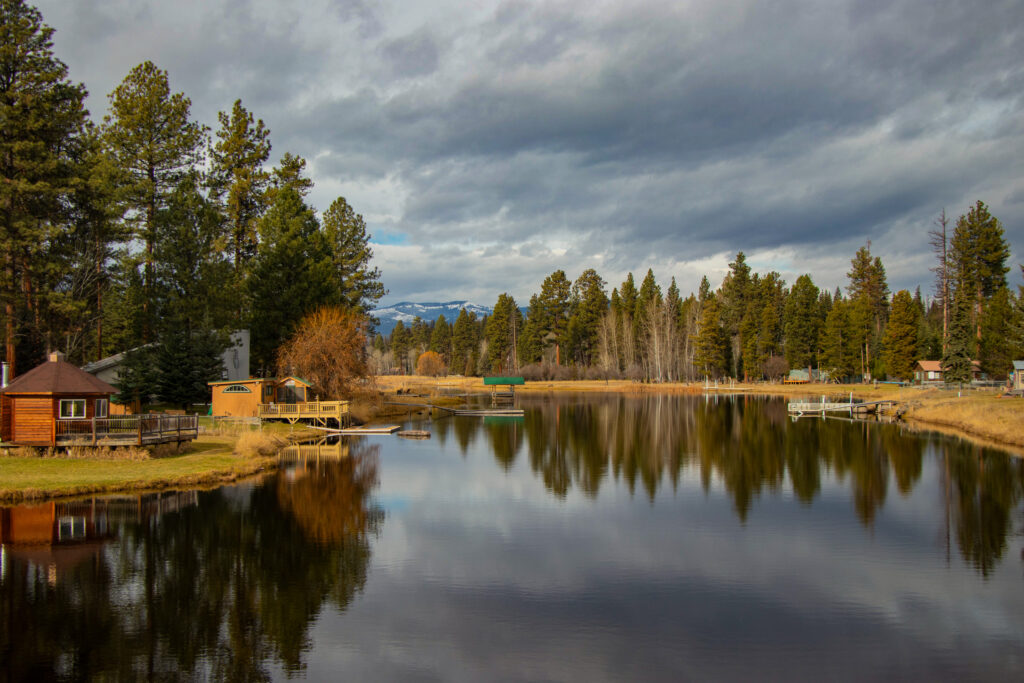
Seeley Lake’s symbiotic relationship with the Clearwater River is unmistakable. Beyond providing a stunning backdrop, the river serves as a lifeline for Seeley, offering recreational opportunities, sustaining wildlife, and fostering a sense of community. The river, much like area residents, adapts and flows, embodying the resilient spirit of this close-knit community. I was approached by several locals who asked why I was taking photographs. This led to rich conversations with people who share a deep love and connection to this river. The Clearwater River isn’t just some river; it’s a character in Seeley Lake’s story. When photographing this area, I sought to capture the way the town embraces the river, and the river, in turn, is part of Seeley Lake’s identity.
further Resources
Learn how rivers stir our creative juices
Learn more about why Western Montana rivers deserve new protections
Learn more about the American Rivers Northern Rockies office and our work to protect rivers in Idaho, Montana, and Wyoming
When I first set foot in the Klamath watershed as a scientist back in 2008, dam removal seemed little more than a dream. An official decision had not yet been made by the Department of the Interior about whether dam removal was in the best interest of the Klamath basin, including its people, while salmon populations had declined to the point where the Secretary of Commerce closed West Coast commercial salmon fishing. Large-scale restoration projects were discussed as “possibilities,” but were by no means certain. And, though the ecological outcome of years of adverse land and water use practices was clear, the National Research Council reaffirmed in a report released that year that we lacked a “big picture” understanding of the Klamath River and its ecosystems.
Fast forward 15 years and I’m on the edge of my seat as three dams on the Klamath River see their final days, with a fourth already removed. How did we arrive at this historic juncture? How does a river that boasted the second-largest salmon population in California become constricted and sickly over the course of a century, and how did we progress from catastrophic fish kills to restoration and the climax of the world’s largest dam removal project?
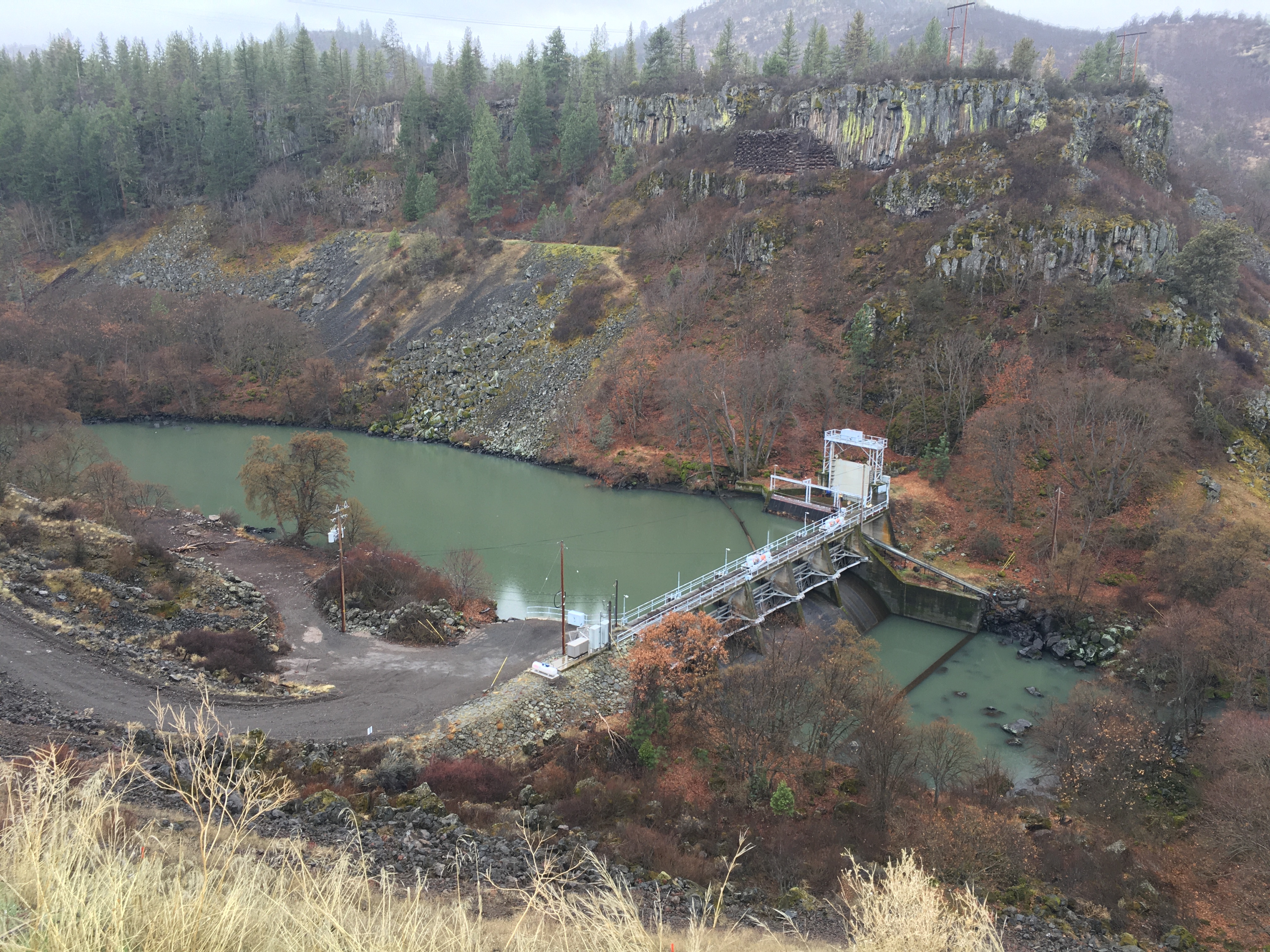
There is no neat beginning, but the story behind the Klamath dam removals is deeply tied to people of the watershed, a narrative that stretches back to time immemorial. The Hoopa, Karuk, Klamath, Modoc, Yurok Tribes, and others stewarded the landscape and thrived along the Klamath and its tributaries, with the river constituting a core element of daily life, ritual, and culture. Prior to the damming of the Klamath River and as late as the 20th century, epic salmon runs were common. But an influx of settlers in the 19th century led to the widespread displacement of the region’s Tribes and the adoption of land and water use practices that negatively impacted the watershed. In the early 20th century, as hydropower became a priority for many of the surrounding communities, construction began on the first of four large hydropower dams totaling 400 vertical feet: Copco No 1 (1918), Copco No 2 (1925), J.C. Boyle (1958), and Iron Gate (1962). While the dams provided modest amounts of power for the surrounding communities, the ecological impacts were severe. By the 21st century, salmon populations, a key indicator of ecological health and an important species in their own right, had fallen to less than 5% of their historical average.
The decline of the Klamath’s health did not go unnoticed by those who call the watershed home, and after a massive fish kill in 2002 that resulted in more than 30,000 dead salmon, momentum began to build towards solutions amongst groups with different interests. Led by the Tribes, a years-long campaign to protect and restore the Klamath followed, with protests at the headquarters of Scottish Power, PacifiCorp, and Berkshire Hathaway to demand removal of the four dams. In 2010, PacifiCorp signed the Klamath Hydroelectric Settlement Agreement (KHSA) alongside Tribes, counties, state, and federal agencies, but it failed to pass through Congress. Restoration of the Klamath seemed on the ropes until 2016, when PacifiCorp, who owned and operated the four dams, began implementing a revised KHSA that did not require Congressional approval, eventually transferring ownership of the dams over to the Klamath River Renewal Corporation (KRRC). While the legal push for removal had cleared a major hurdle, struggles around relicensing continued into 2020. Despite the setbacks, and thanks in large part to Tribal leadership, the efforts of activist groups, and, ultimately, collaboration within the entire Klamath community, Copco No. 2 was removed in the fall of 2023, reconnecting parts of the watershed that hadn’t seen water from the Klamath River in nearly 100 years.
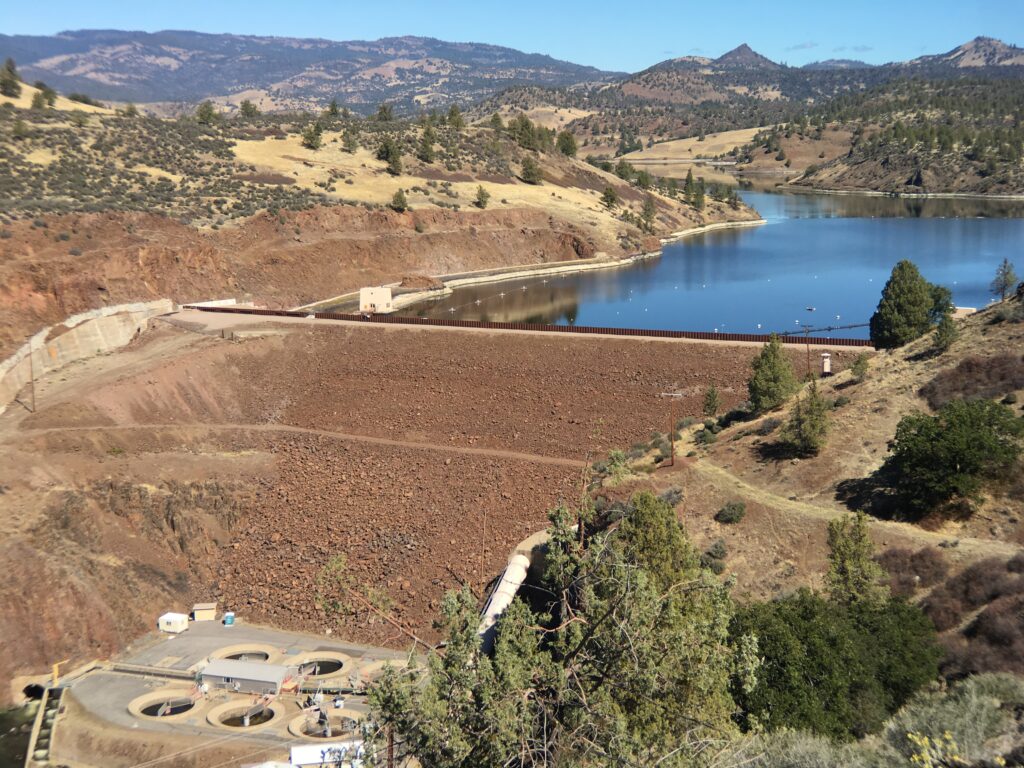
Since joining the Coalition for the Klamath Basin in 2001, American Rivers has worked alongside conservation groups to restore the ecological health, function and native diversity of the Klamath River basin, with an eye to the eventual removal of the dams operated by PacifiCorp. Now we are witnessing the removal of the remaining three dams in real time, simultaneously the largest salmon restoration project in history and the largest dam removal in history. It is a moment to celebrate, and the product of a long and serpentine history. We would be wise to reflect on the legacy of activism and advocacy that brought us to this point, the seemingly insurmountable obstacles and setbacks that had to be overcome, and the bridges that needed to be built to sustain the push towards removal. As we look beyond dam removal, we should recognize that while a freed Klamath River is momentous, there is much work, collaborative work, that needs to be done before the river is healed. This work is already happening. Tribes and private ranchers are working together to restore other parts of the Klamath watershed, ensuring that the knowledge and work of restoration stays within the basin. Dam removal on the Klamath has included work to ensure that drinking water supplies, recreational opportunities, and wildfire readiness are part of the conservation solution. I am proud of the work and commitment people of the Klamath have shown, not just to healing the river, but healing each other.