What is my Flood Risk?
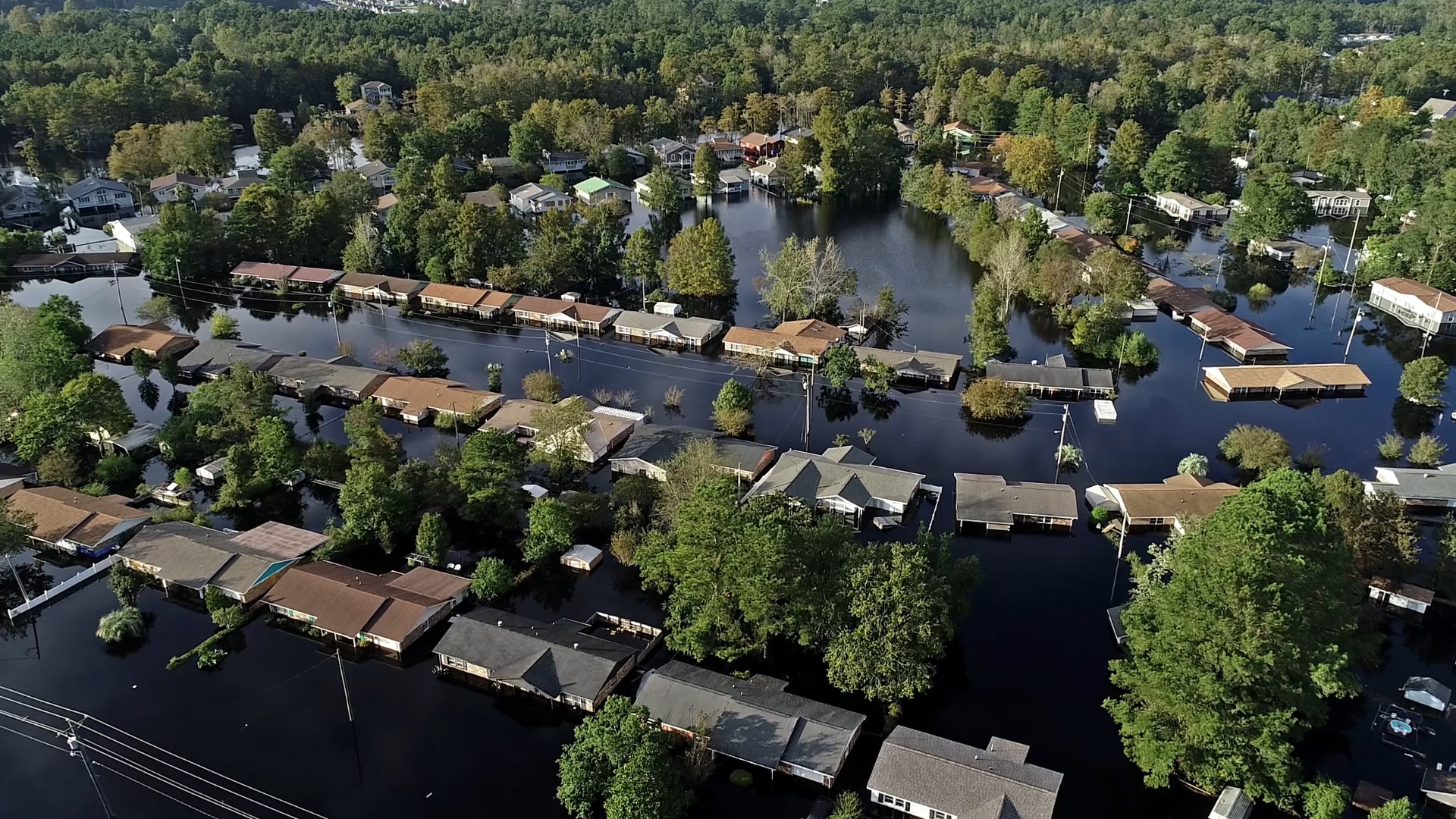
More than 40 million Americans live in homes that are at risk of serious flooding, but most aren’t aware because their homes are outside of the high-risk zone on Federal Emergency Management Agency flood maps. Researchers say that as the population and GDP grows, it may force more people to live in risky flood areas. One study found that the 100-year floodplain area will increase by 45 percent by 2100 due to climate change and rapid development.
It’s not easy for a homeowner to know the flood risks in a neighborhood, so how can you tell if your home is at risk? Here are some accessible tools to help you discover whether you’re living in the flood zone:
FEMA Flood Maps
The most traditional way to understand flood risk is to lookup your address on FEMA’s Flood Map Service Center. The maps show the Special Flood-Hazard Area (SFHA) — or the area that will be inundated by a 1 percent annual chance flood, also known as a 100-year flood — and other areas with flood risk, such as the area inundated by a 0.2 percent flood or a 500-year flood, or the areas behind levees that would flood if the levees failed. If a home sits in a Special Flood-Hazard Area, it is required to buy flood insurance if there is a mortgage on the property, but all homes carry some risk of flooding and are encouraged to buy flood insurance.
When reading a FEMA flood map, it’s important to look at the date — because most flood maps are at least five years old and some haven’t been updated for decades. FEMA’s maps are also limited because they only look at historical flooding, ignoring future risk factors like extreme precipitation and coastal sea-level rise made worse by climate change. Numerous states have created flood-risk viewers that combine FEMA’s flood maps with future conditions data and other risk factors. If you’re having trouble reading your flood map, contact the floodplain administrator for your local government or county.
Private data maps
There are a lot of private companies that have created tools to provide a quick analysis of climate risk factors for properties. The for-profit organization First Street Foundation has made its Risk Factor program free for people to use and see the climate risk of an individual property. You can scroll to the bottom of the page and input a specific address to immediately see the flood risk factor for a property, as well as other climate-related ratings. First Street uses its own flood modeling data, which includes future extreme precipitation rates, anticipates future river flooding, and coastal storm surge in its ratings. Several real estate sites like RedFin and Realtor.com also include this data in home listings.
For homeowners, some other free tools by alternative companies that provide similar flood risk analysis include:
It’s worth noting that these free tools are not bulletproof property assessments, but rather alternative analysis to access, which provide a range of climate models to evaluate your property.
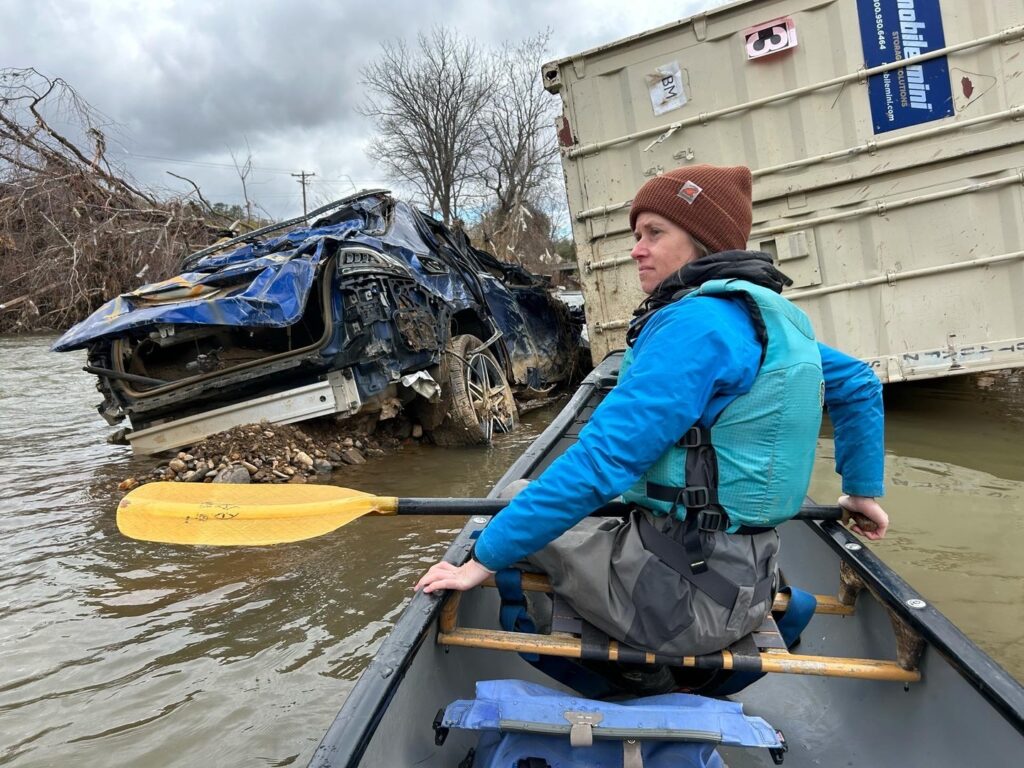
Help End the Cycle of Dangerous Flooding
Floods belong in rivers. American Rivers rehabilitates river ecosystems to support healthy communities. Join the effort to restore rivers and protect our communities from flooding.
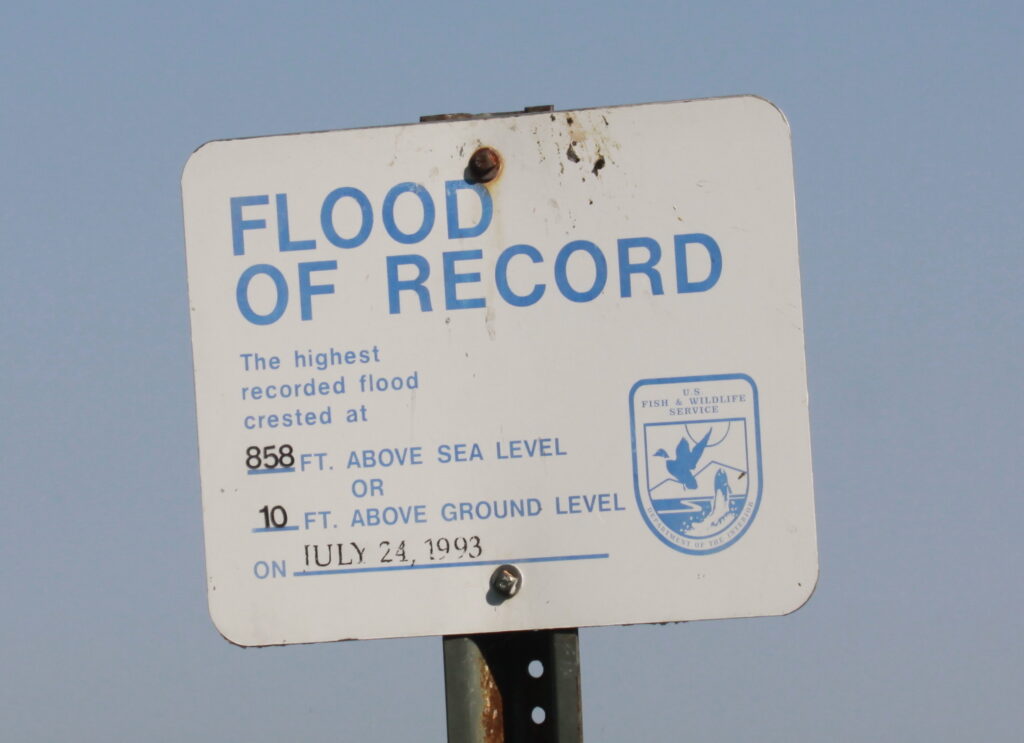
Flood history of your property
If a home has a mortgage and sits in a FEMA Special Flood Hazard Area, the owner is required to buy flood insurance from the National Flood Insurance Program or a private insurer. It is possible to check the FEMA website for redacted claims data, but it’s not possible to see a claim for a previous owner, due to privacy laws. There is no federal law requiring a seller to reveal this information and only a half-dozen states have significant disclosure laws in place. To know whether your state requires a seller to disclose flood risk, the Natural Resources Defense Council published a map in 2025 showing the most up-to-date laws and ranked states based on their transparency of the issue.
Home improvements to combat flooding
If your home is prone to flooding, there are a variety of improvement projects that can be done to better protect your property, including maintaining gutters and downspouts to make sure water freely flows away from your home. Improve drainage so water slopes away from the foundation of a home. Install a sump pump in the basement or attic to remove accumulating water in the home, and elevate key utilities like a furnace, water heater, or electric panels above a potential flood line in the home.