Natural Floodplains for People and Nature
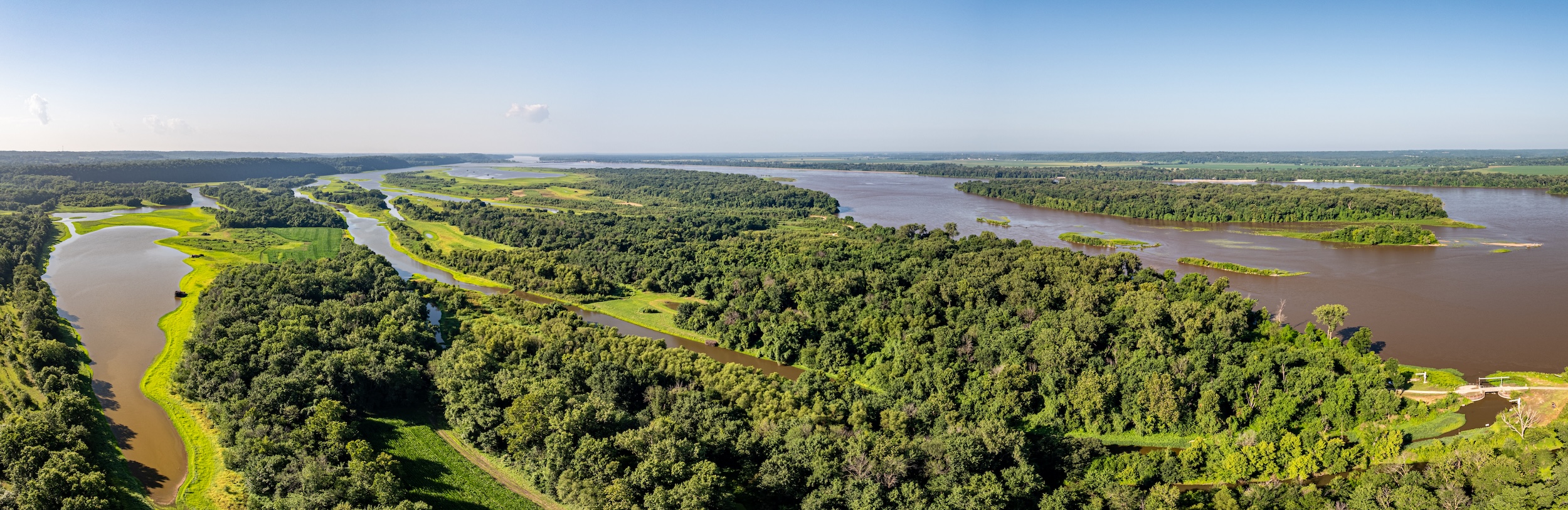
A floodplain is the wide, flat land beside a river or stream — and it plays a vital role in keeping rivers healthy and reducing flood risk to our homes, farms, and city streets. These rich ecosystems are also among the most biodiverse habitats on Earth. And among the most threatened.
In their natural state, rivers don’t stay locked within narrow channels — they move, expand, and reshape the land over time, creating rich floodplains and wetlands. When rivers are allowed to overflow into their natural floodplains, they absorb and slow floodwaters, reducing destruction downstream. These dynamic river systems also support incredible biodiversity: plants and microorganisms in wetland waters create vital habitat for fish, birds, and wildlife while naturally filtering pollutants and keeping our water clean.
Over the last century, we’ve straightened river channels and filled in wetlands to build cities and farms. The result? Floodwaters have nowhere to go — so they rush into neighborhoods, farmlands, and businesses. Meanwhile, storms are growing increasingly frequent and dangerous. When we block rivers from doing their job, communities and wildlife pay the price.
By working with nature instead of against it, we can create a future where rivers and people thrive alongside one another.
Benefits of natural floodplains
Natural Floodplain Basics
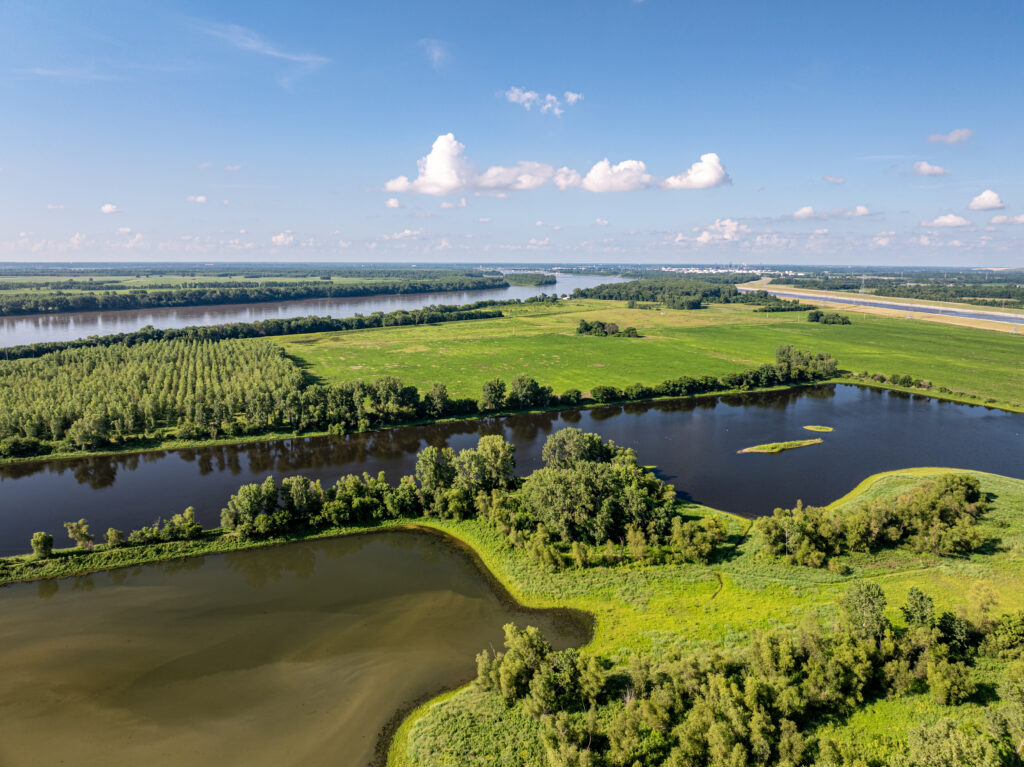
Wildlife of wetlands and floodplains
Where the Water Goes, the Birds Follow
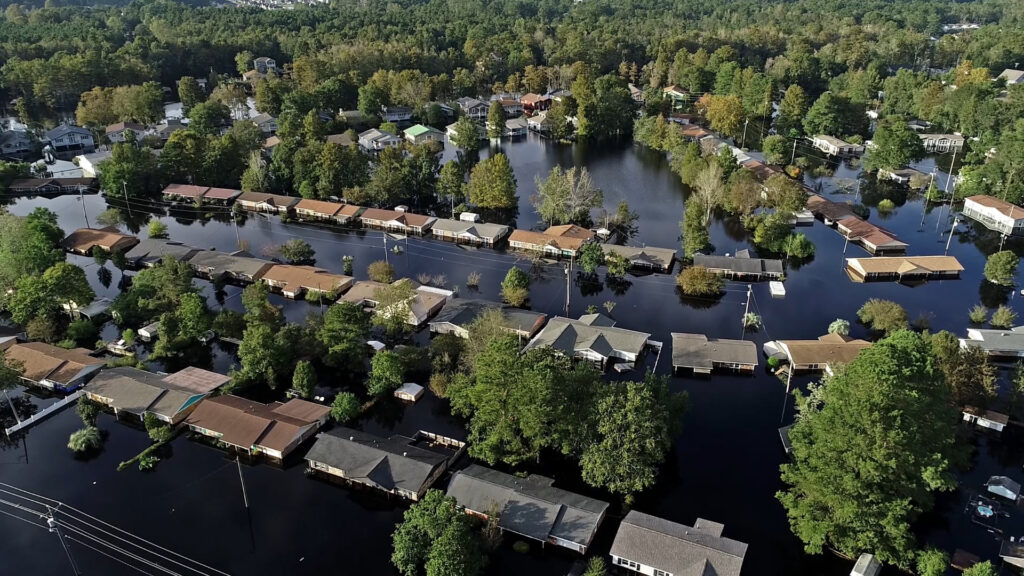
What is my flood risk?
How to know if your community is at risk of devastating floods — and real steps you can take to protect yourself.

Storms and floods: essential facts
You may think all floods are bad. Small floods are, in fact, essential to the health of rivers. Learn why.

What is Natural Floodplain Management?
Three ways to boost natural floodplains to make them more effective at reducing flooding
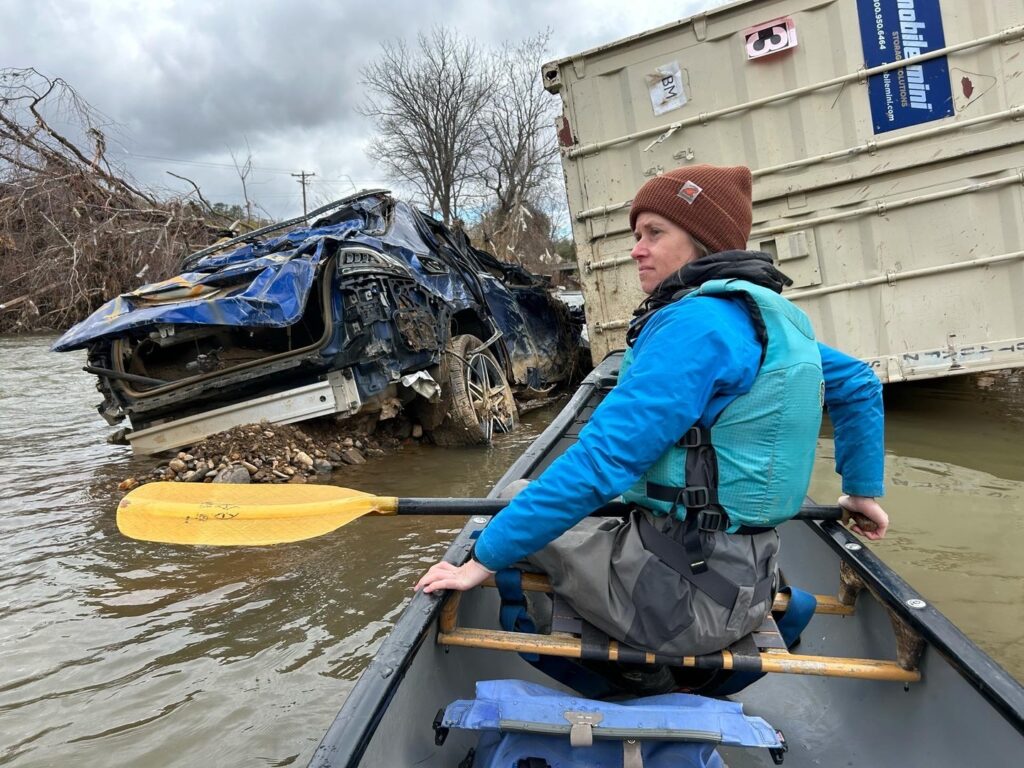
Help End the Cycle of Dangerous Flooding
Floods belong in rivers. American Rivers rehabilitates river ecosystems to support healthy communities. Join the effort to restore rivers and protect our communities from flooding.
What We Do
-
Restoring natural floodplains
We are restoring and reconnecting 100,000 acres of floodplains, meadows, and wetlands across the country. Our work to nurse these areas back to health gives rivers room to flood without inundating properties and businesses. It also allows for the recharge of groundwater supplies, which helps communities in times of drought. And, restoring these lands improves critical habitat for birds, fish, and freshwater life.
Learn about our approach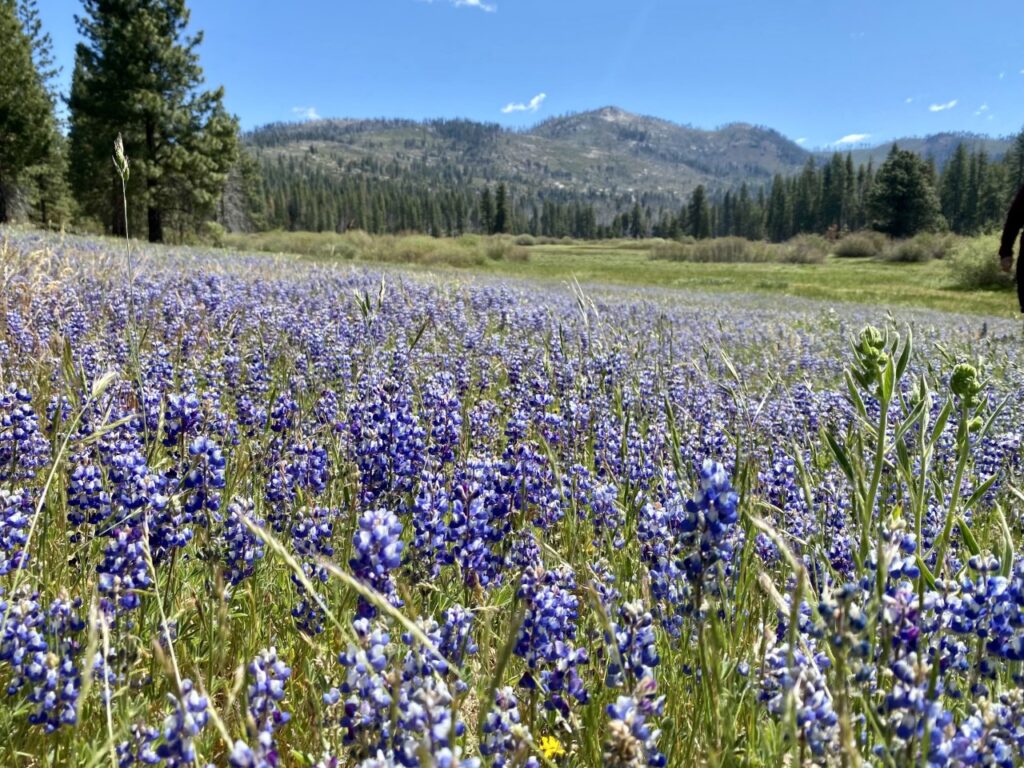
-
Floodplain Explorer digital map
90% of floodplains in the continental U.S. are disconnected from their rivers or degraded. See how the condition of floodplains varies state-by-state. Dig into data showing where floodplains and wetlands are protected and where restoration is urgently needed.
Explore the map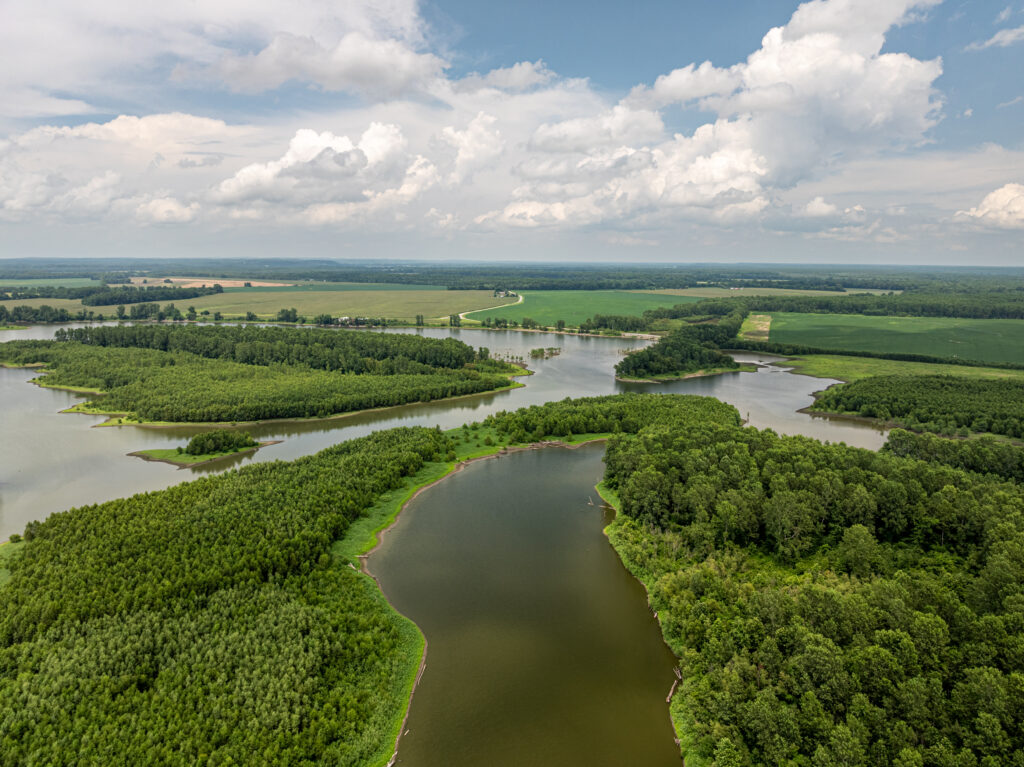
-
Floodplains for professionals
Join the Natural Floodplains Alliance for floodplains and wetlands research, networking opportunities, expert resources, webinars, and more.
Join for free