Storms and Floods: Essential Facts
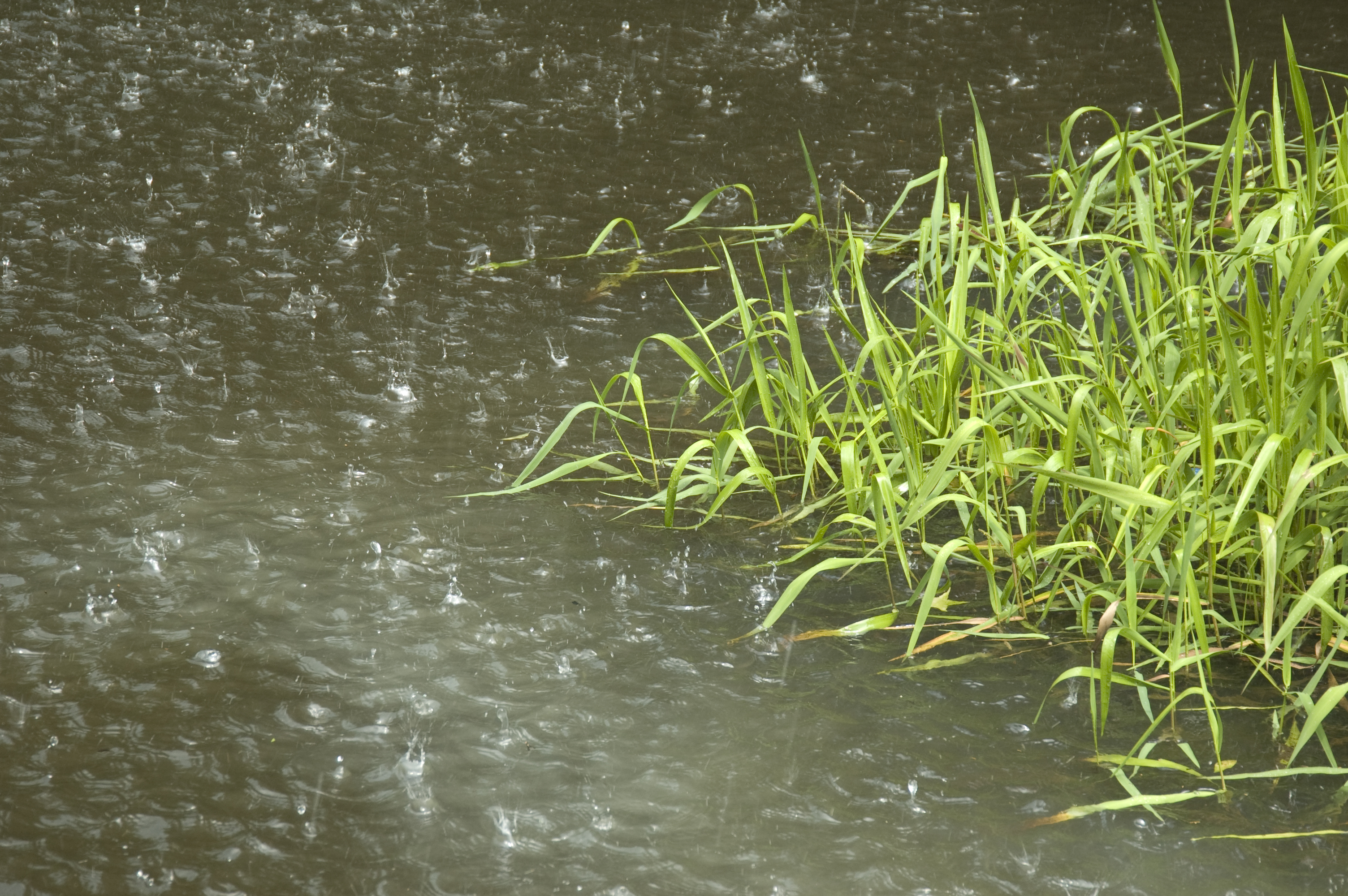
Severe storms and floods are some of the most common and damaging weather systems in the United States.
Flooding can result when there is heavy or prolonged rain or rapid snowmelt, and it can happen in any part of the country at any time of the year. Depending on the weather system, flooding can happen within minutes or over long periods of time. Floods kill more Americans each year than tornadoes, hurricanes, or lightning.
What makes a storm “severe”?
Thunderstorms are frequently called convective storms because they are formed when heat and moisture are transferred vertically into the atmosphere and produce thunder, lightning, heavy rain, hail, strong winds, and the temperature can quickly change. These weather systems occur year-round and are common in the spring and summer.
There are about 100,000 thunderstorms in the U.S. each year, and about 10 percent reach the “severe” level. A severe thunderstorm must contain one or more of the following attributes:
- Hail of 1 inch or larger
- Wind gust that exceeds 50 knots/57.5 mph
- A tornado
What is a flash flood?
Flash floods are the most dangerous type of flooding because they are created incredibly fast and frequently catch people off guard. Flash floods are formed when an excessive amount of rain falls too quickly, and the ground cannot absorb the water fast enough. For example, a dry creek bed can rapidly fill with water and overflow its banks, with minimal warning to nearby residents, and the destructive power of a flash flood can quickly overwhelm vehicles, property, and rescue efforts.
What is the difference between a “watch” and a “warning”
A “severe thunderstorm watch” or “flood watch” is issued by the National Oceanic and Atmospheric Administration and the National Weather Service when favorable weather conditions are present to form severe storms or floods. A “watch” can quickly be elevated to a “warning” when a flood or a severe storm has been reported by spotters or identified on radar. When a warning is issued, it means there is a serious threat to property or life in the path of the weather system, and to take shelter or seek higher ground immediately.
What is a 100-year flood?
Floods occur when extreme precipitation causes a river to overrun its banks. River-related flooding is one of the most frequently and costliest natural disasters on the planet and the risk to people is expected to increase. A 100-year flood refers to an event that has a 1 percent chance of occurring in any given year. But this term is often misunderstood to imply that a flood event of a certain magnitude can happen only once in 100 years. Read more about 100-year floods.