Chilkat River
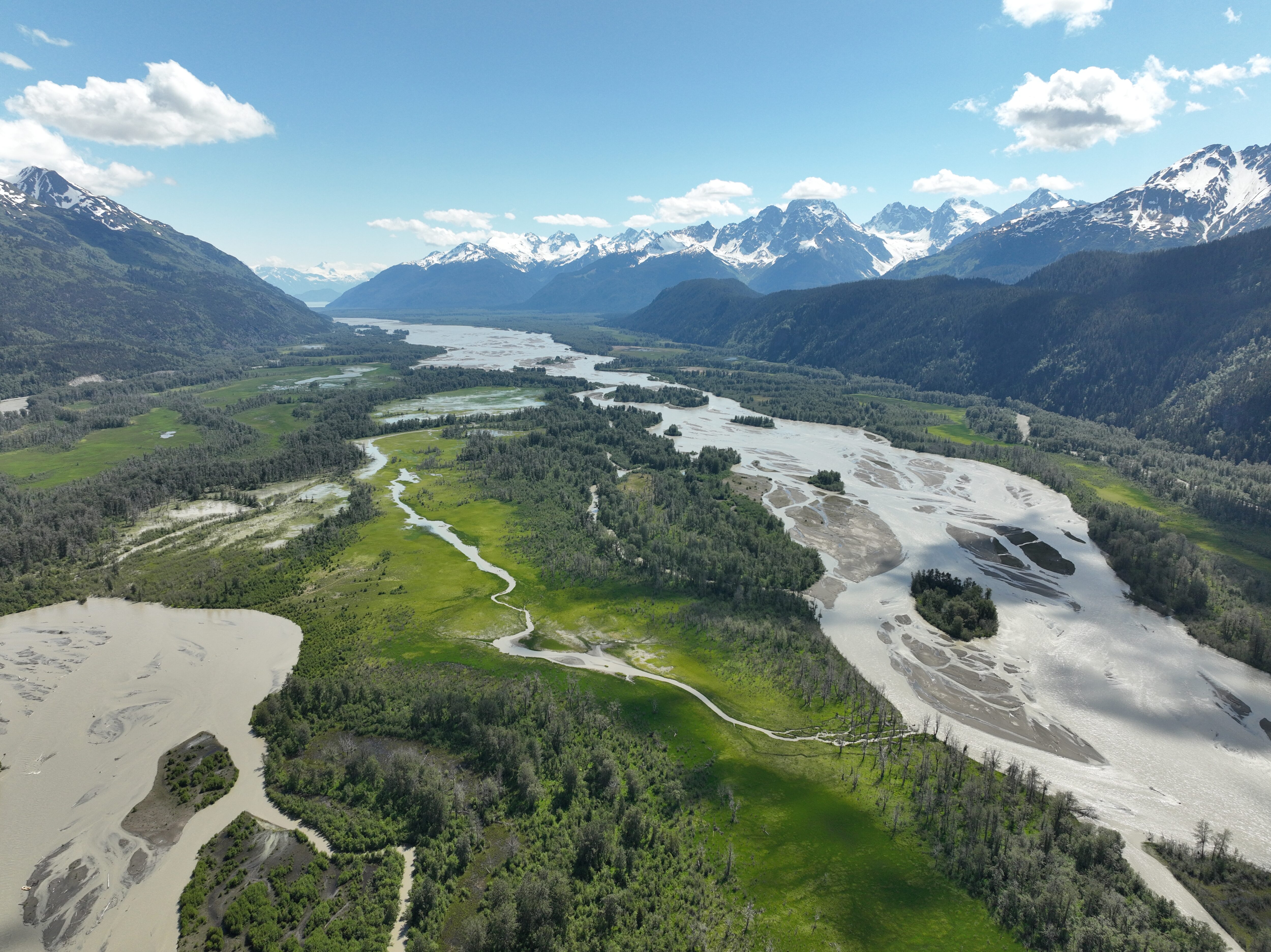
The awe-inspiring Chilkat River in Southeast Alaska supports one of the most vibrant, biodiverse, and productive ecosystems in North America.
From its headwaters at the Chilkat Glacier in the Coast Mountains of British Columbia, the river flows northwest for approximately 52 miles before emptying into Chilkat Inlet near the town of Haines (population about 1,800 people).
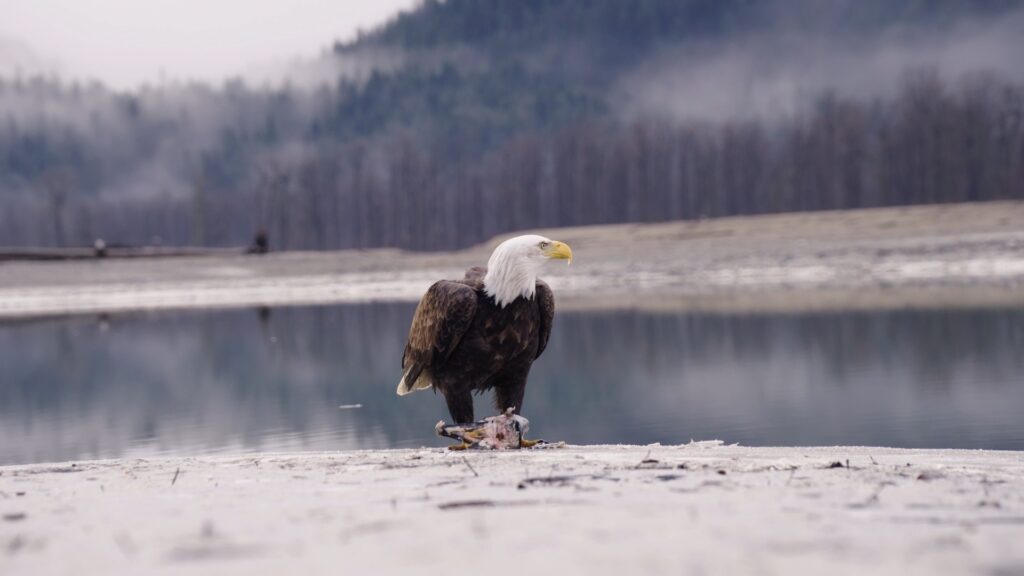
The Chilkat River sustains one of Alaska’s most extraordinary late-season salmon runs, attracting the largest annual gathering of bald eagles in the world to the Alaska Chilkat Bald Eagle Preserve.
Tens of thousands of people visit the river every year to fish, paddle, and photograph the watershed’s wildlife and spectacularly rugged mountain scenery. Coupled with commercial and subsistence salmon harvesting, these activities are the economic backbone of the region.
Where is the Chilkat River?
The Chilkat River is located in Alaska
How long is the Chilkat River?
The Chilkat River is 52 miles long.
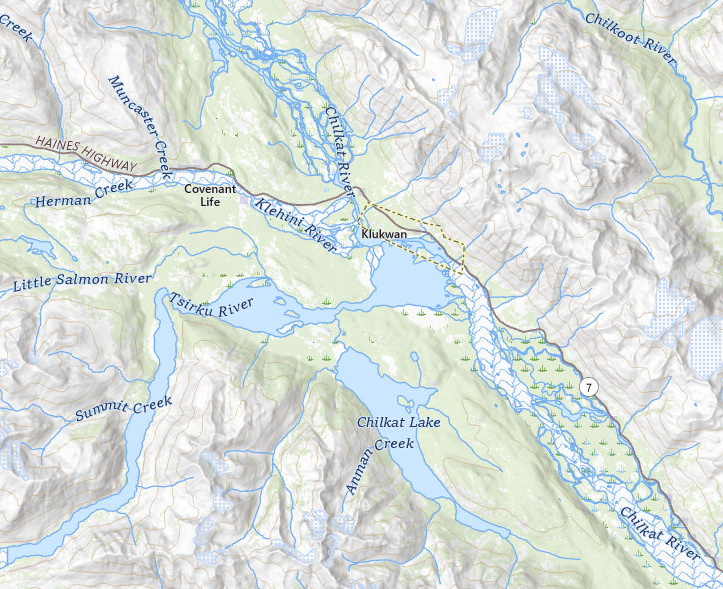
The Chilkat River valley — known in Tlingit as Jilkáat Aani (“Chilkat Country”) — is broad and glacially influenced, with braided channels, gravel bars, and forested floodplains.
Bordered by steep mountains and temperate rainforest, the valley is home to healthy and visible populations of coastal grizzly and American black bears. Its rich ecosystem makes it one of Southeast Alaska’s most important wildlife corridors, supporting moose, wolves, migratory birds, and much more.
The Chilkat River valley is also the cultural homeland of the Tlingit, specifically the Chilkat (Jilkáat) group. For thousands of years, the Jilkáat lived in permanent winter villages near present-day Haines, moving along the river and coast seasonally to fish, hunt, and trade. Salmon from the Chilkat River were central to life — economically, nutritionally, and spiritually — and remain so today.
The Chilkat Indian Village of Klukwan is a U.S. federally recognized Tribe and has been the steward of the Chilkat River watershed since time immemorial.
Chilkat River Listed as one of America’s Most Endangered Rivers® of 2026
The Chilkat River is the lifeblood of Alaska Native communities and supports an abundance of salmon, bears, and other wildlife, including the largest congregation of bald eagles in the world. But the river is threatened by a large copper and zinc mine that threatens clean water, habitat, and the local way of life. The State of Alaska must reject future hard-rock mining permits to safeguard the irreplaceable natural wealth of the Chilkat.
Take the pledge below! Urge the State of Alaska to reject future hard-rock mining permits and keep the Chilkat safe for generations to come!
Protect Alaska’s Chilkat River Forever
Take the pledge to push back on the Palmer project and keep the Chilkat safe for generations to come!
What is the biggest threat to the Chilkat River?
Warming temperatures impact the glacial melt that feeds the Chilkat River, potentially altering flow patterns and affecting the timing of salmon spawning and survival.
Human activity, including roads, recreation, tourism, and housing development along the river corridor, brings pollution and disturbs habitat.
But the biggest current threats come from upriver mining in British Columbia and future mining plans for the valley itself, leading to the Chilkat being named one of America’s Most Endangered Rivers® in 2019 and 2023.
For more than a decade, the Chilkat Indian Village of Klukwan has actively opposed large-scale, hard-rock mining in the Chilkat Valley because it risks contaminating the river ecosystem and disrupting wild salmon runs and hunting and fishing practices, and thus food security, traditional ways of life, and sustainable economies.
In the late 2010s, the Tribe began legal and public challenges to a proposed large-scale copper and zinc mine, known as the Palmer project. The project would mean drilling into thousands of acres of acid-generating rock in an area with extremely high levels of rainfall, snowfall, and earthquake activity.
If permitted, acidic wastewater laden with heavy metals, hydrocarbons, and other pollutants could reach the Klehini River and other tributaries of the Chilkat and expose the entire watershed to contamination.
Tribal members of the Chilkat Indian Village view these waters and lands as vital and sacred. Protecting the watershed for future generations is considered an inherent duty. Sustained, organized community resistance to the Palmer project has continued since the proposed mine’s ownership changed in 2024.