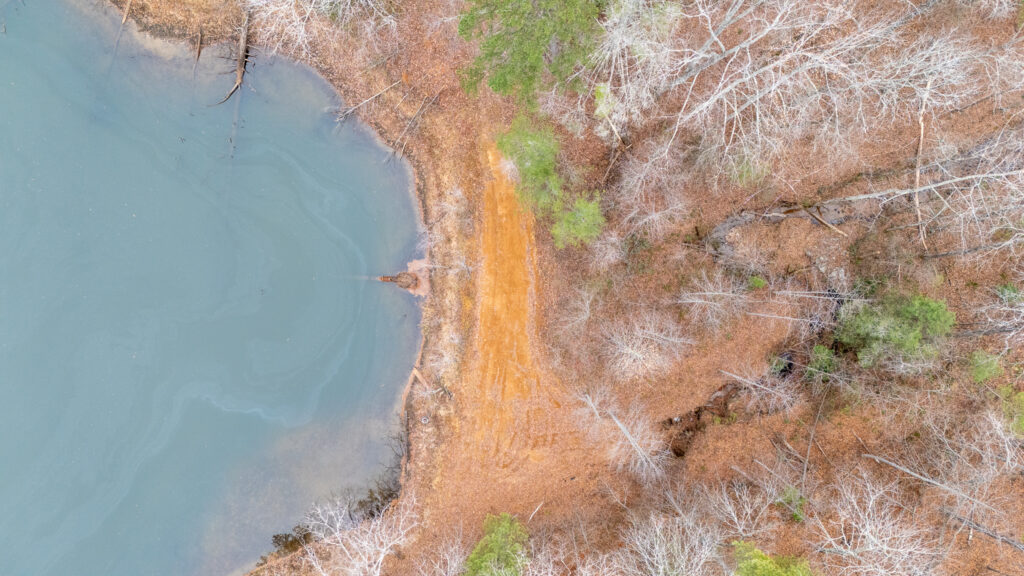
Restoring Headwater Streams in Sumter National Forest
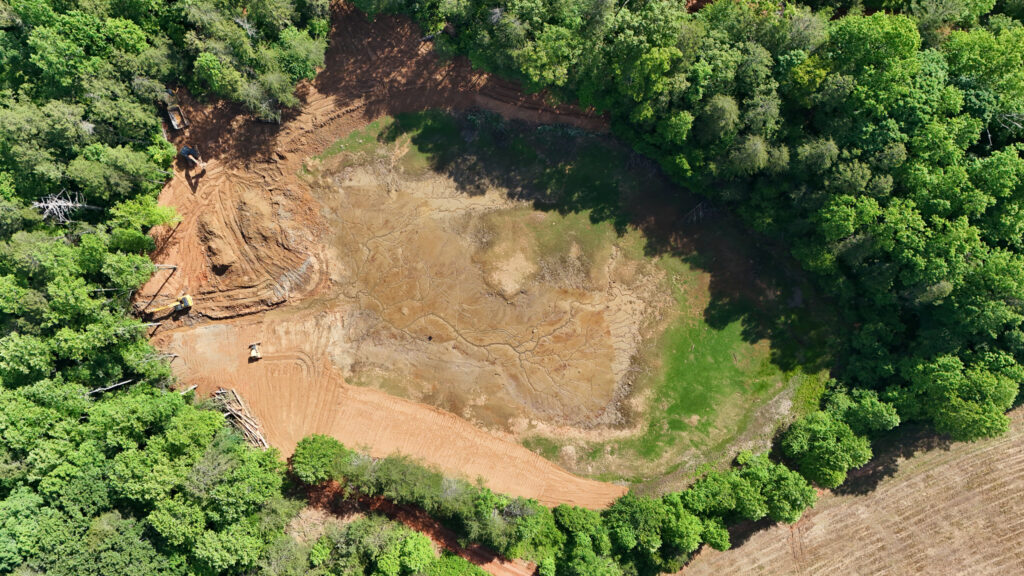
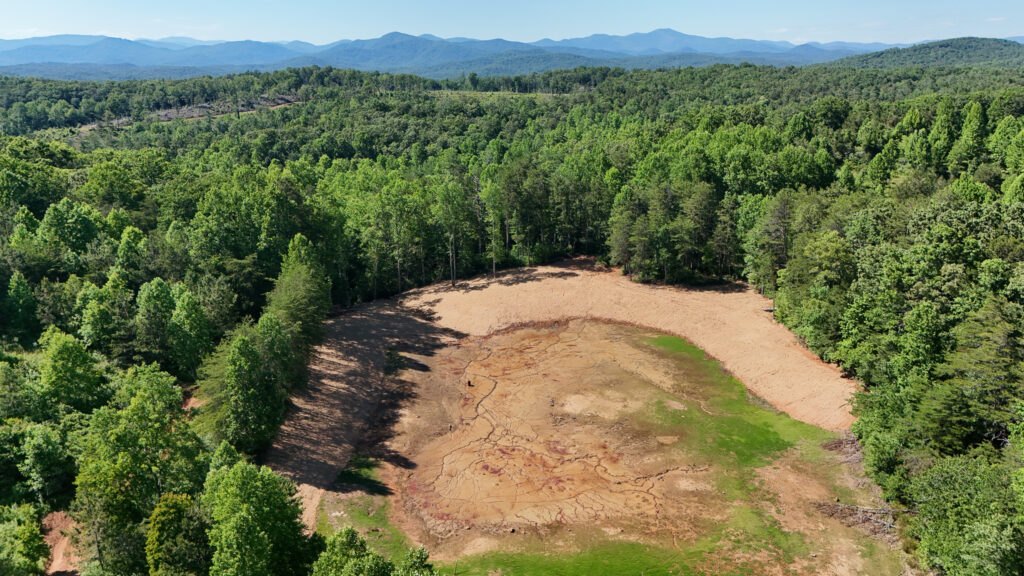
Removal of the Presbyterian Lake & Back 90 dams reconnected seven miles of stream habitat, restored natural stream function, and eliminated two aging dam liabilities on public land in South Carolina.
Across the country, dam removal is gaining momentum as private landowners, municipalities, and public land managers recognize its ability to reduce risk while restoring rivers and streams. When aging infrastructure no longer serves its original purpose, removal can improve public safety, restore aquatic connectivity, enhance water quality, increase biodiversity, and provide a cost-effective alternative to long-term maintenance.
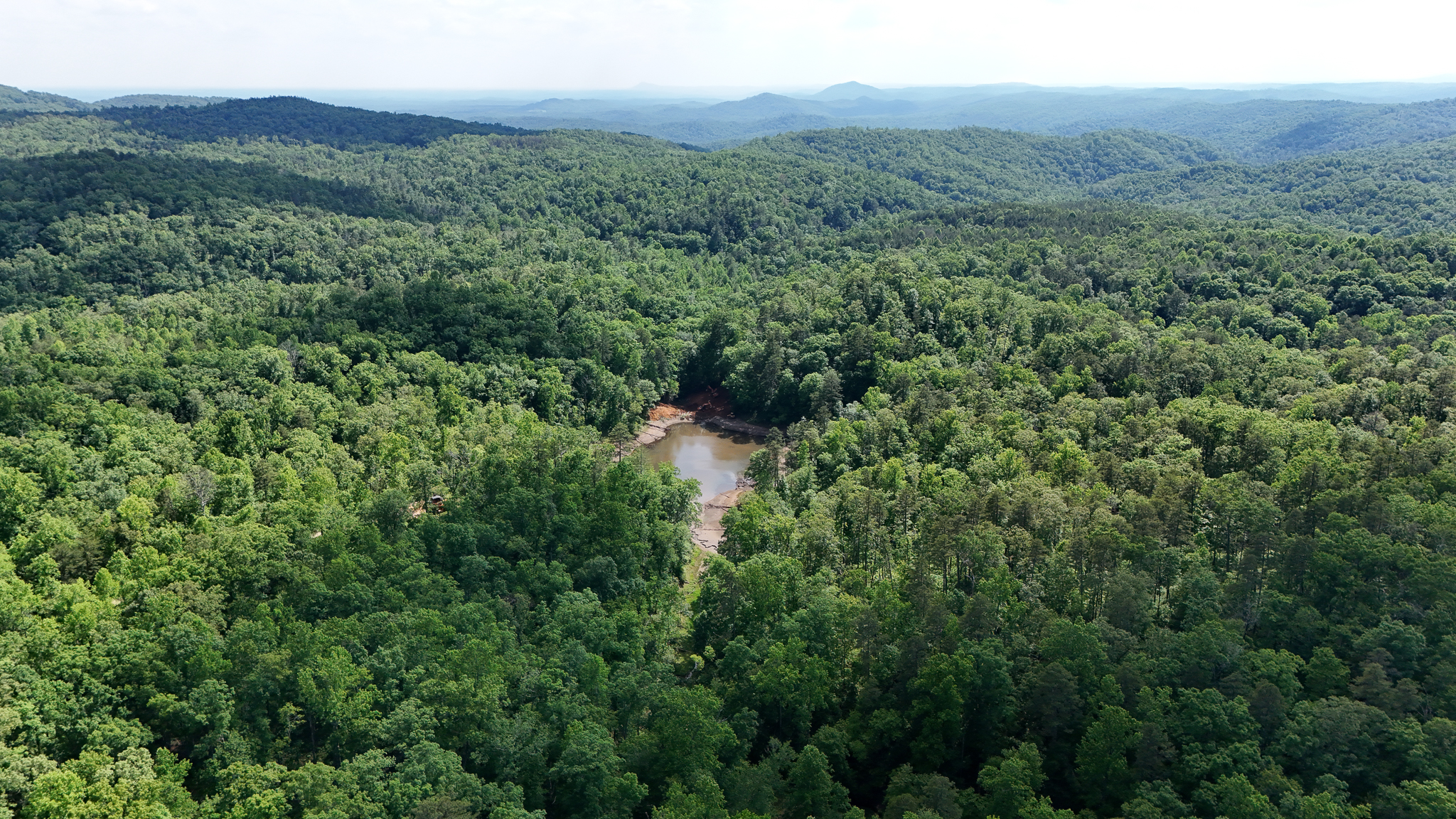
The Andrew Pickens Ranger District of the Sumter National Forest in South Carolina is home to more than 85,000 acres of nationally significant public lands, including the Wild and Scenic Chattooga River. Known for its exceptional biodiversity, rich cultural history, and abundant recreational opportunities, the district attracts hikers, anglers, paddlers, hunters, and wildlife enthusiasts from across the Southeast.
As part of its commitment to responsible stewardship of public lands, the U.S. Forest Service partnered with the U.S. Fish & Wildlife Service’s Aquatic Restoration Team and American Rivers to remove two aging dams, Presbyterian Lake Dam and Back 90 Dam, through a single coordinated restoration effort. Together, the projects reconnected seven miles of stream habitat, reduced long-term infrastructure liabilities, and restored natural processes within the Chauga and Chattooga River watersheds.
Project Overview
Location: Sumter National Forest, South Carolina
Dams Removed: 2
Stream Miles Reconnected: 7
Watersheds Benefited: Chauga River & Chattooga River, in the Savannah River Basin
Project Partners: U.S. Forest Service, U.S. Fish & Wildlife Service, American Rivers
Dam Type: Earthen dams
Presbyterian Lake Dam
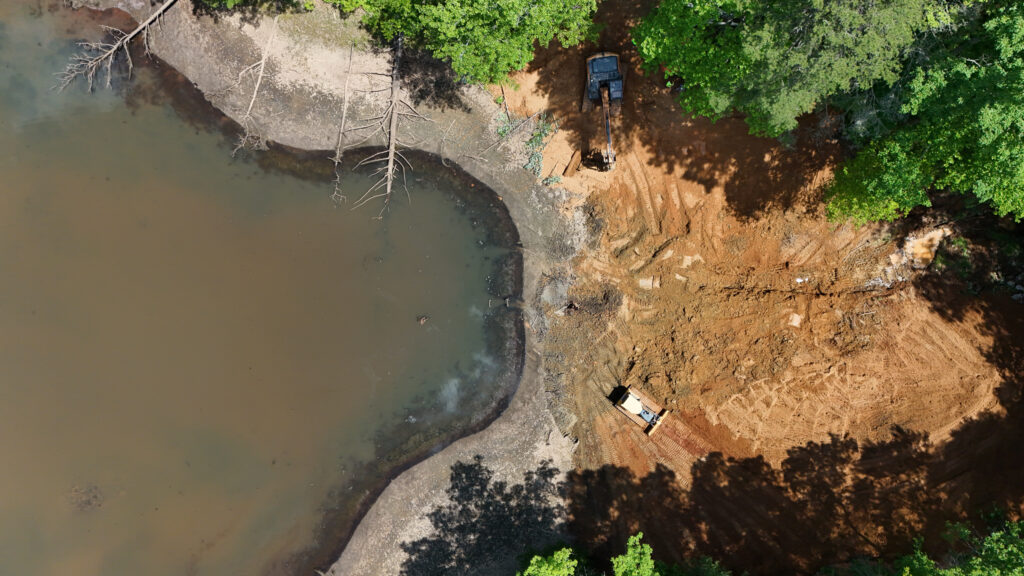
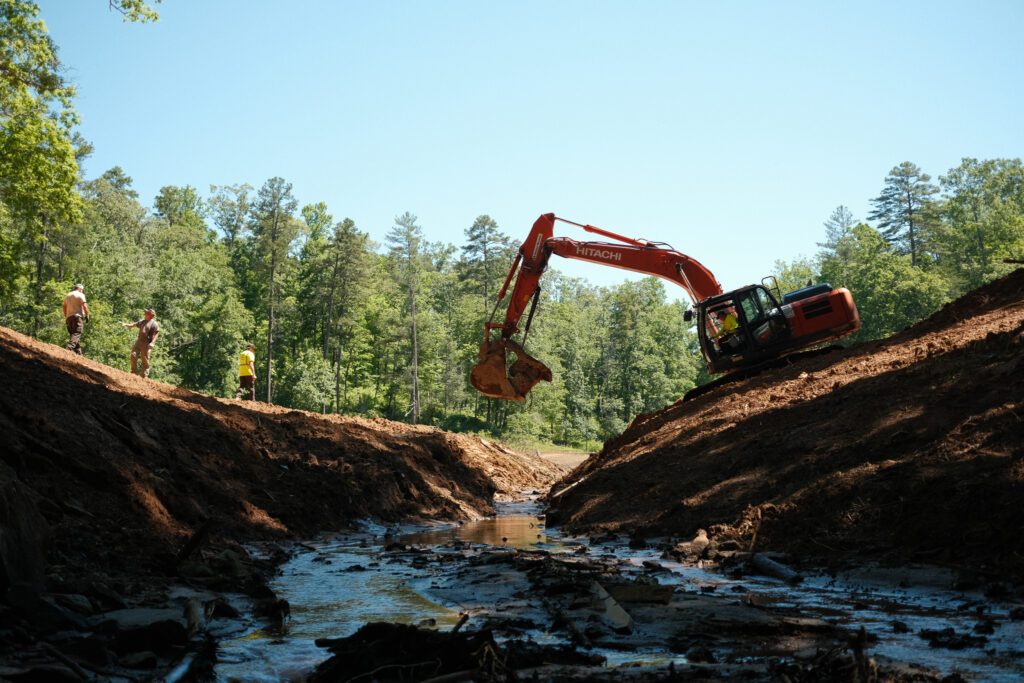
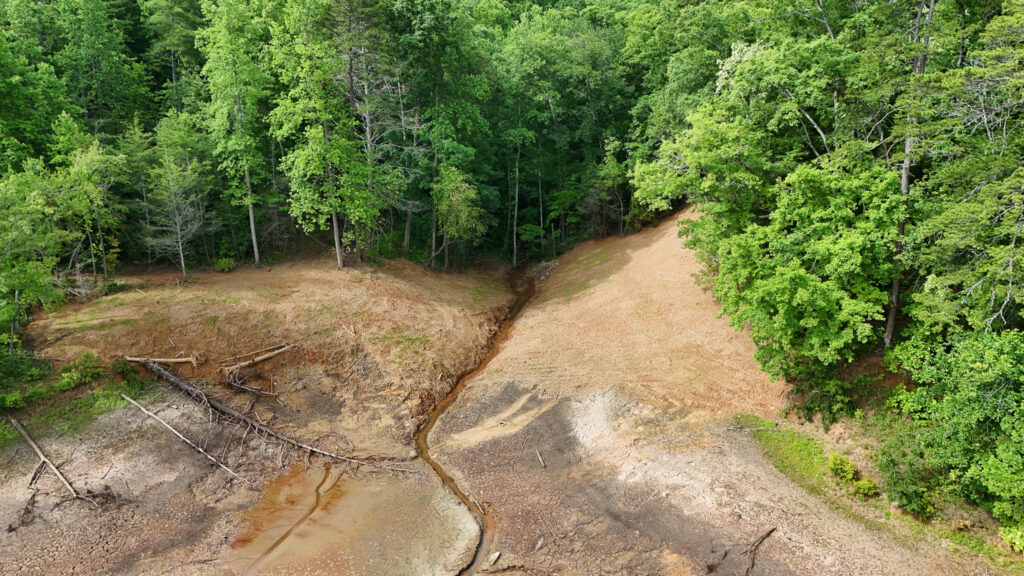
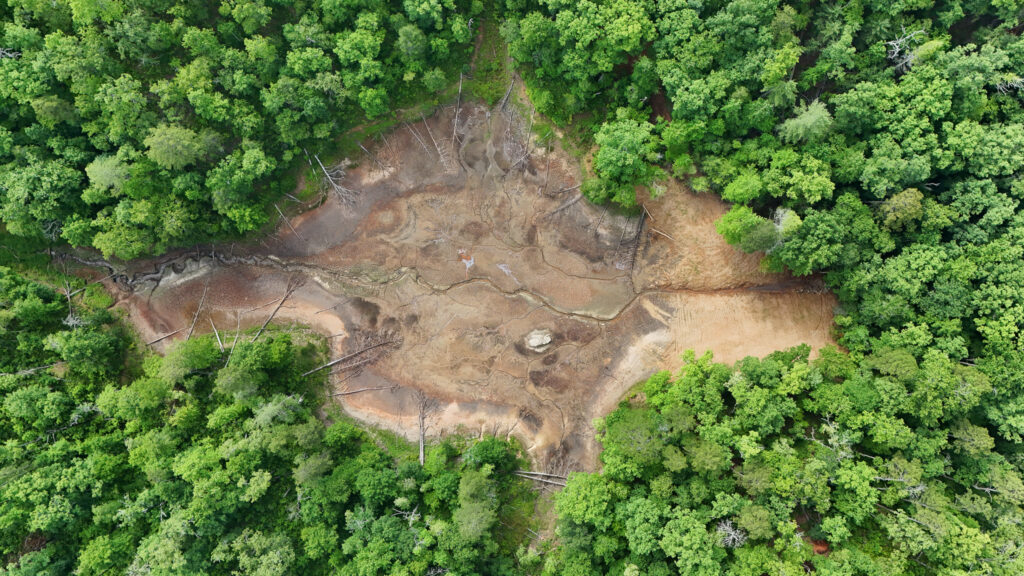
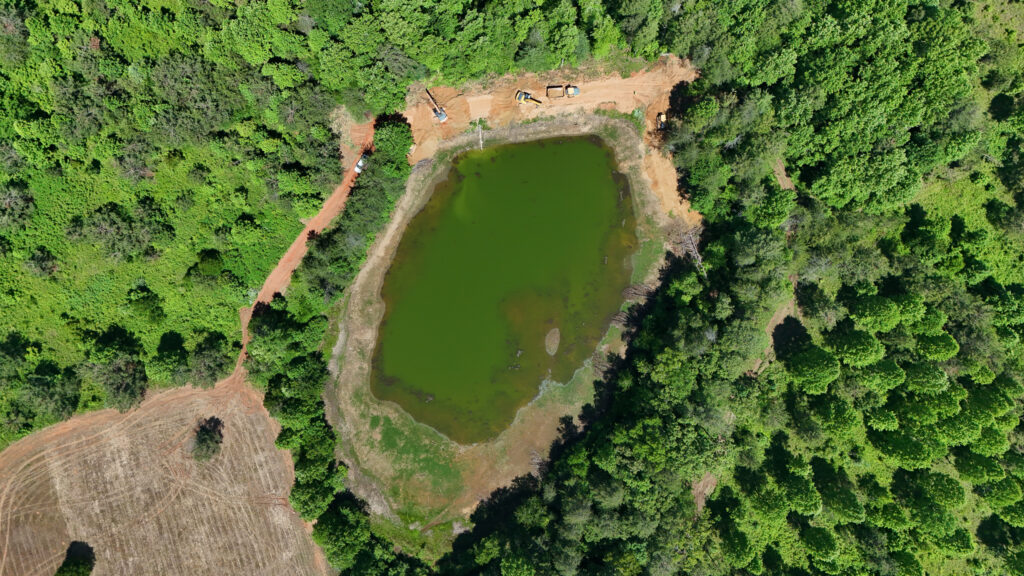
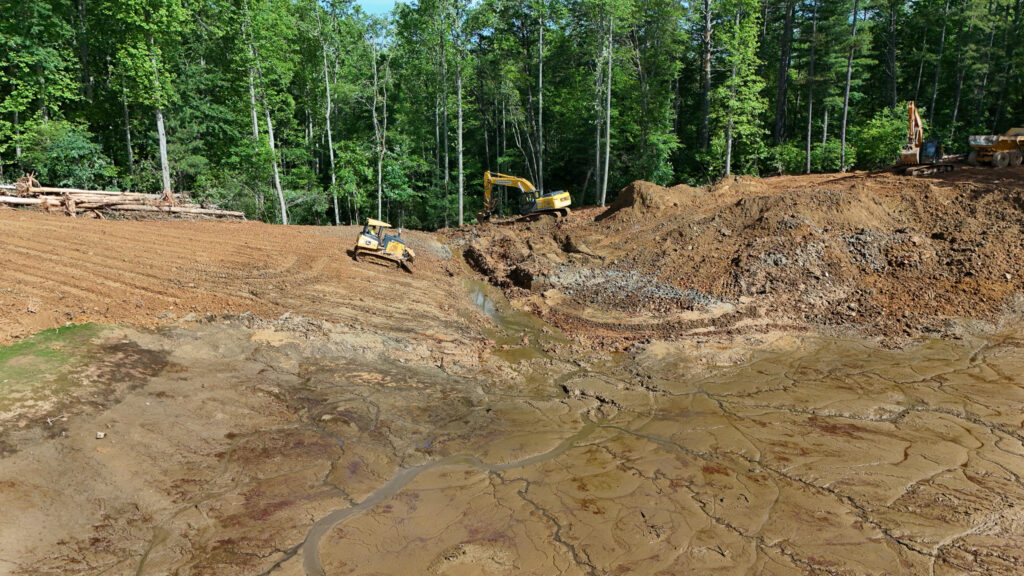
Constructed around 1900 prior to U.S. Forest Service ownership, Presbyterian Lake Dam created a 4.1-acre recreational lake within what is now the Sumter National Forest. The earthen dam impounded a headwater tributary to Cedar Creek, an important stream within the Chauga River watershed.
Over time, the aging structure became a growing management concern. Dam safety issues and the risk of future failure prompted evaluation of long-term options for the site. Rather than investing significant resources into repairs and future maintenance, removal was identified as an opportunity to both reduce risk and restore natural stream processes.

Dam Removal Benefits
-
Eliminated future dam maintenance responsibilities and associated costs
-
Removed a potential dam safety liability
-
Reconnected 4 miles of stream habitat
-
Restored natural hydrology and sediment transport
-
Enhanced habitat for Bartram's bass, striped jumprock, and Eastern box turtle
Back 90 Dam
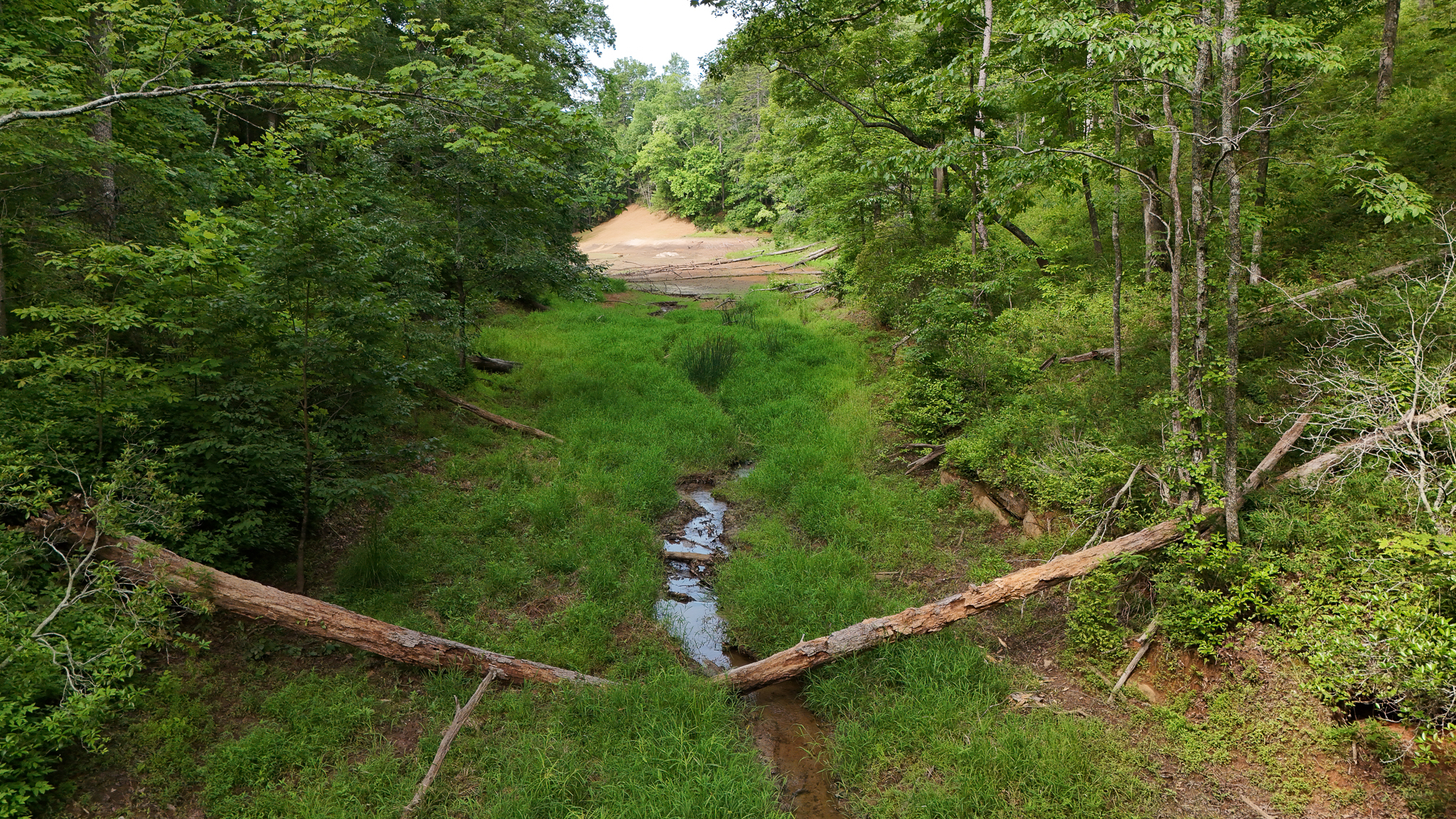
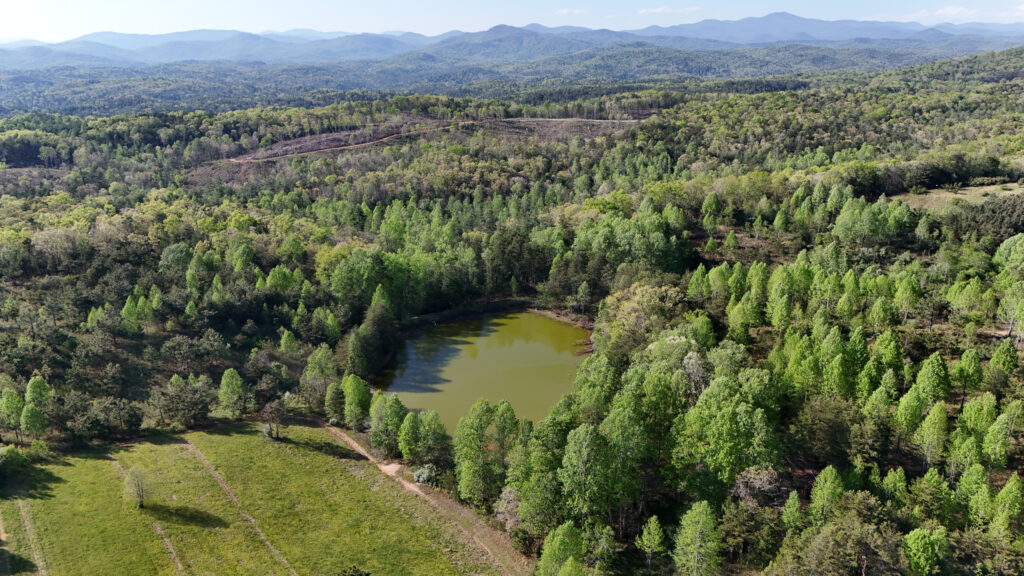
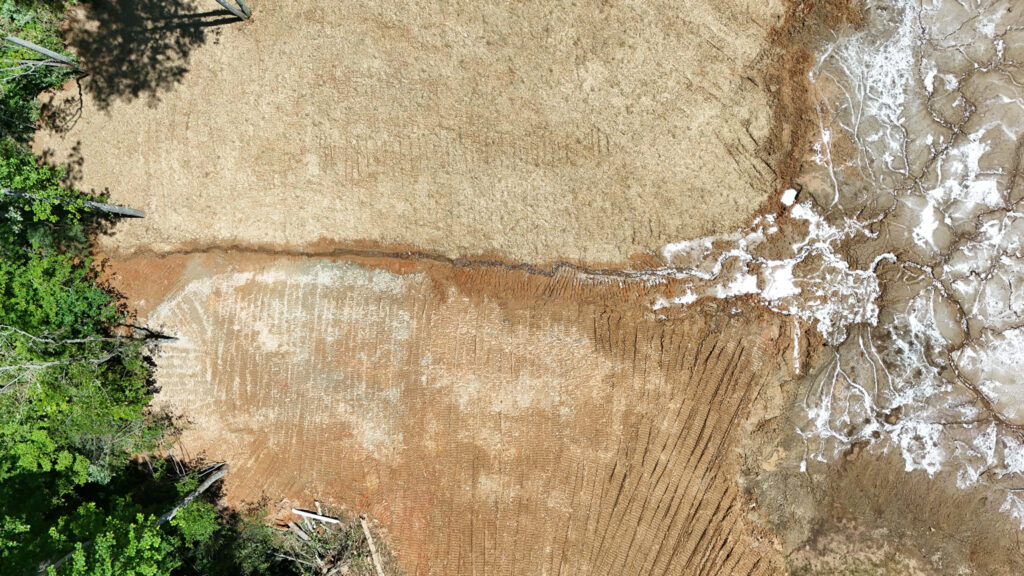
Little is known about the dam’s original construction history. The property itself reflects the agricultural heritage of the Long Creek community, an area historically known for apple orchards and farming operations. The U.S. Forest Service acquired the property some years ago amid interest from home builders. The site became part of the broader public lands network that protects water quality, wildlife habitat, and recreational opportunities throughout the Chattooga River watershed. It is managed for dove hunting and is one of the few publicly accessible dove fields in the state. As with Presbyterian Lake Dam, removal of the structure presented an opportunity to eliminate a long-term infrastructure burden while restoring ecological connectivity and natural stream function.
Dam Removal Benefits
-
Eliminated future dam maintenance responsibilities and associated costs
-
Removed a potential dam safety liability
-
Reconnected 3 miles of stream habitat
-
Restored natural hydrology and sediment transport
Looking Ahead
For land managers, dam removal is often about more than ecological restoration.
Both Presbyterian Lake and Back 90 represented aging pieces of infrastructure that no longer served an essential purpose. Like roads, bridges, culverts, and buildings, dams require ongoing inspections, maintenance, and periodic repair. As structures age, those costs and risks can increase substantially.
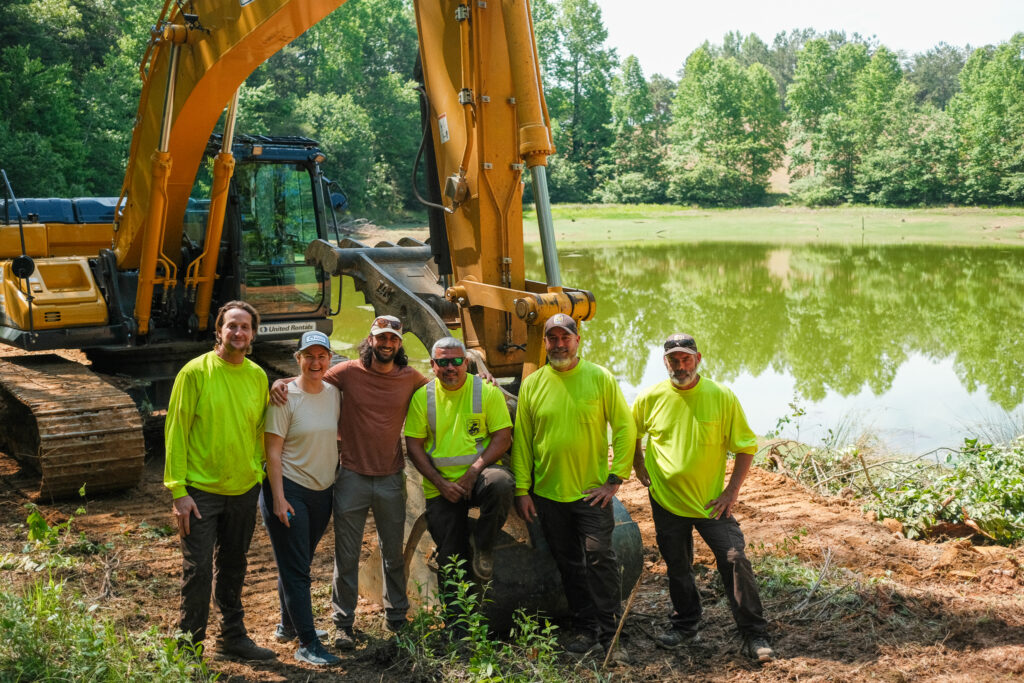
The Presbyterian Lake and Back 90 projects were located less than fifteen minutes apart, allowing project partners to bundle both removals into a single restoration effort.
The U.S. Forest Service provided project leadership, funding, and long-term stewardship of the sites, while the U.S. Fish & Wildlife Service’s Aquatic Restoration Team completed the construction work. American Rivers managed the funding, housing, and documentation before, during, and after the project. By leveraging in-house restoration expertise and equipment operators, the partnership was able to complete both projects in a cost-effective manner while maximizing conservation outcomes on public land.
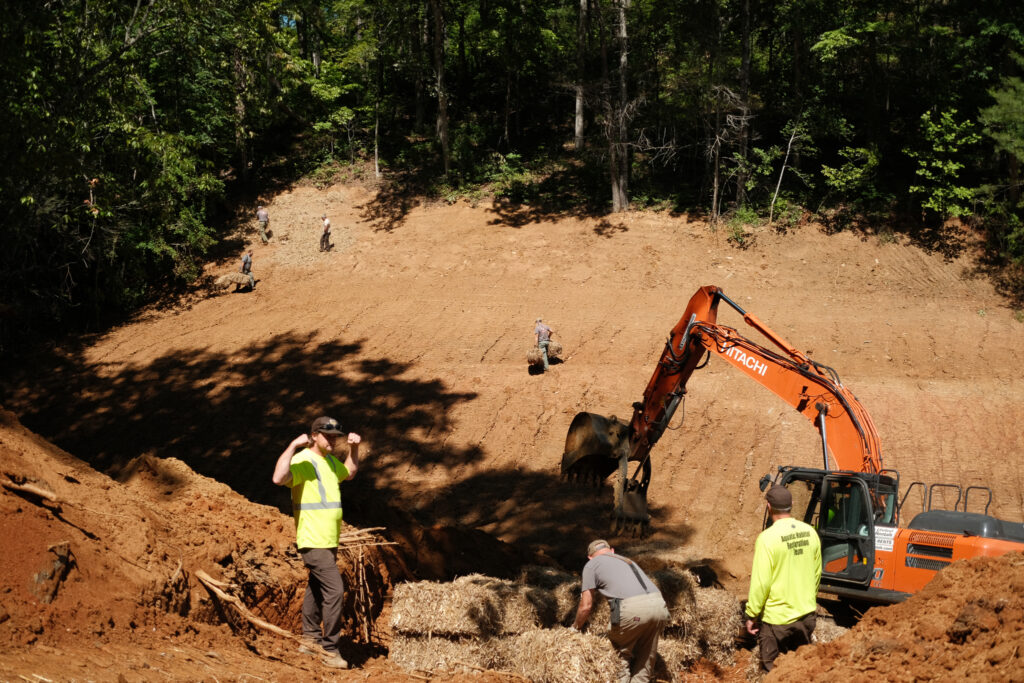
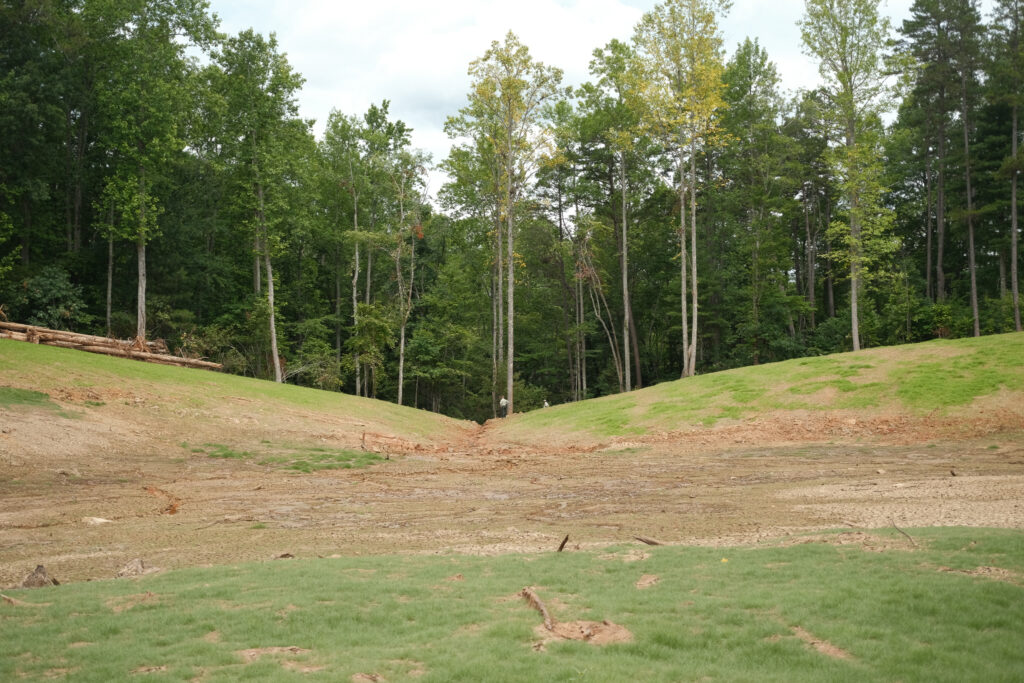
Rather than investing public resources into maintaining obsolete infrastructure, the U.S. Forest Service chose a permanent solution that reduced future maintenance needs, eliminated dam safety concerns, and restored natural stream conditions. The result is a more resilient landscape that benefits both people and wildlife.
As the restored streams continue to evolve, the ecological benefits of these removals will extend beyond the project sites, supporting healthier watersheds throughout the Chauga and Chattooga River systems for generations to come.
News & Updates
-
October 22, 2026
Protecting Our Public Lands and Public Waters: What’s Next in the Effort to Keep Roadless Watersheds Roadless
-
October 14, 2026
As the Super El Niño Looms, California Needs More Natural Infrastructure to Buffer Water Extremes
-
May 29, 2026
Maintain Them or Drain Them: Rethinking Dam Safety in America