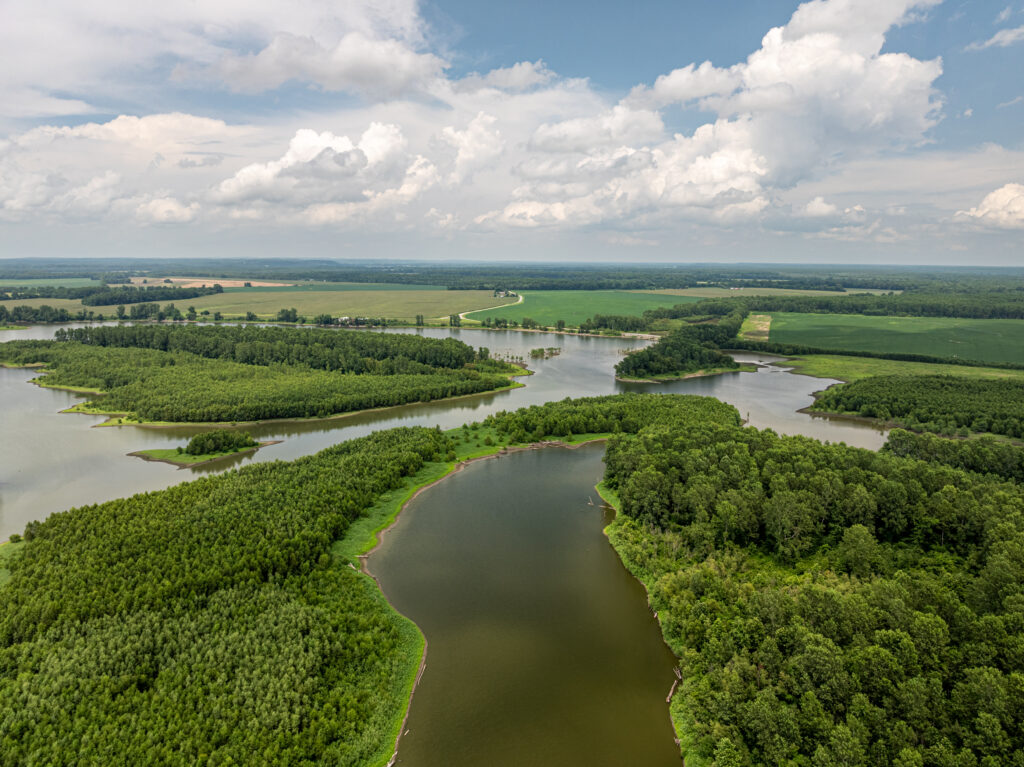
How healthy are America's floodplains?
90% of floodplains in the contiguous U.S. are damaged or degraded
A landmark study by American Rivers and Conservation Science Partners shows the vast majority of floodplains and wetlands in the continental United States are disconnected or developed. Damaged floodplains can’t convey floodwaters downstream, filter pollution, or store water for dry times. So habitats decline, communities get inundated, and drought-prone areas end up with less water and worse water quality.
“Flooding is one of the most common and costly natural disasters in the United States. Our flood risk is getting worse due to land use changes and unpredictable weather. This research shows the problem is pervasive — and solutions are urgent.”
Eileen Shader – Senior Director, Floodplain Restoration
What are floodplains and why are they important?
Small, regular floods are critical parts of a healthy river ecosystem. Natural wetlands and floodplains give rivers room to spread out safely, keeping floodwaters away from homes and businesses. These areas also filter water, recharge groundwater, and create vital habitat for fish, birds, and other wildlife.
But over the past century, we have boxed rivers in, giving them no place to go. In the meantime, storms are growing wetter and more dangerous.
Too often, flood control efforts simply shift risk downstream. In the past two decades, 99 percent of U.S. counties have experienced a flood, costing taxpayers $486 billion — and pushing wetland ecosystems to the brink.
Understanding a problem is the first step toward addressing it. The Floodplain Explorer tool allows us to visualize the scope of the damage we have done to our nation’s historic floodplains — and how that impacts communities and wildlife habitats alike. We can make our communities safer, protect clean water, and preserve our natural heritage. The Floodplain Explorer helps us know where to start.

Explorer the Floodplains Explorer Tool
See how the condition of floodplains varies state-by-state. Dig into data showing where floodplains and wetlands are protected and where restoration is urgently needed.
How a degraded floodplain becomes a functional floodplain
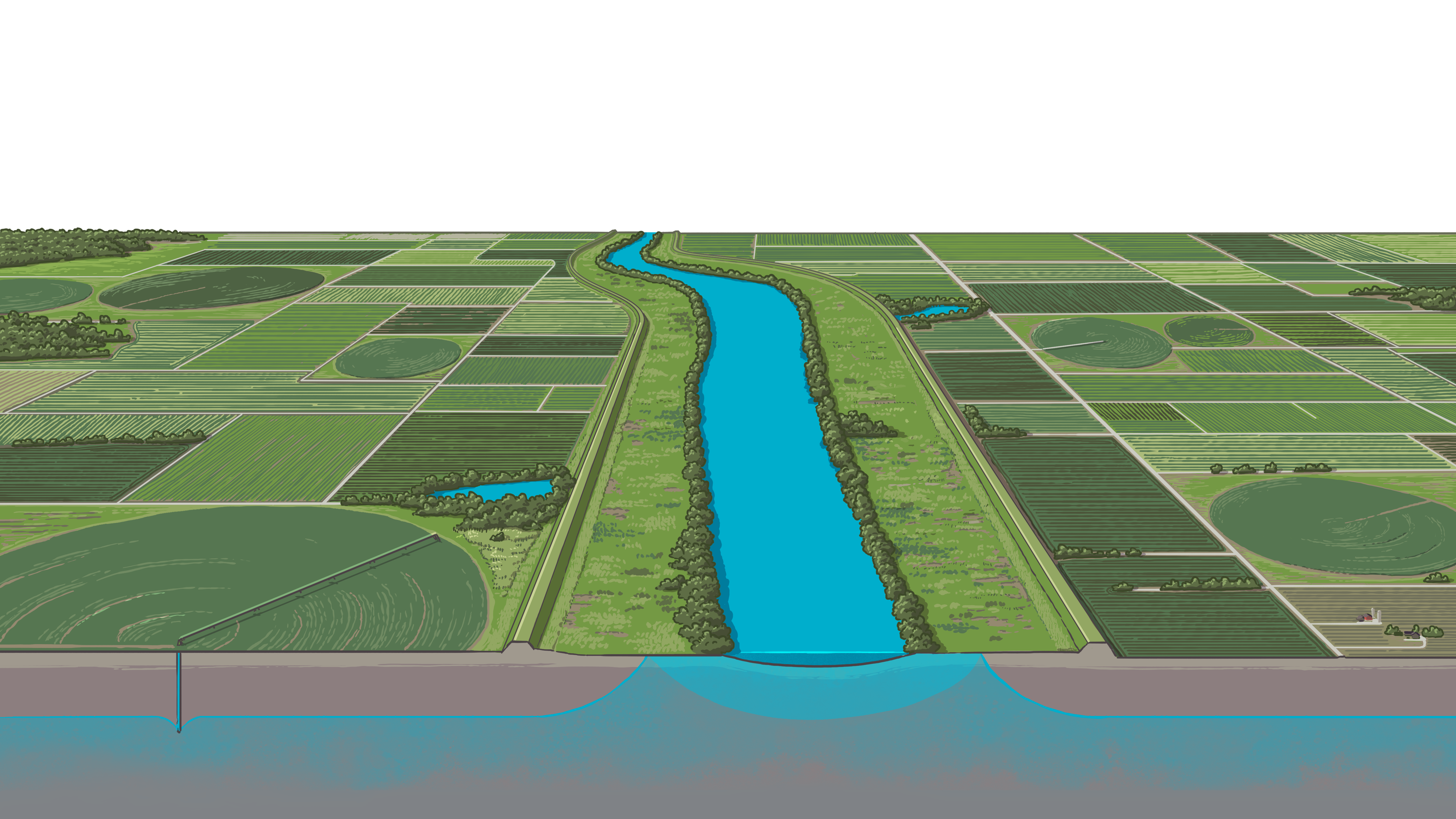
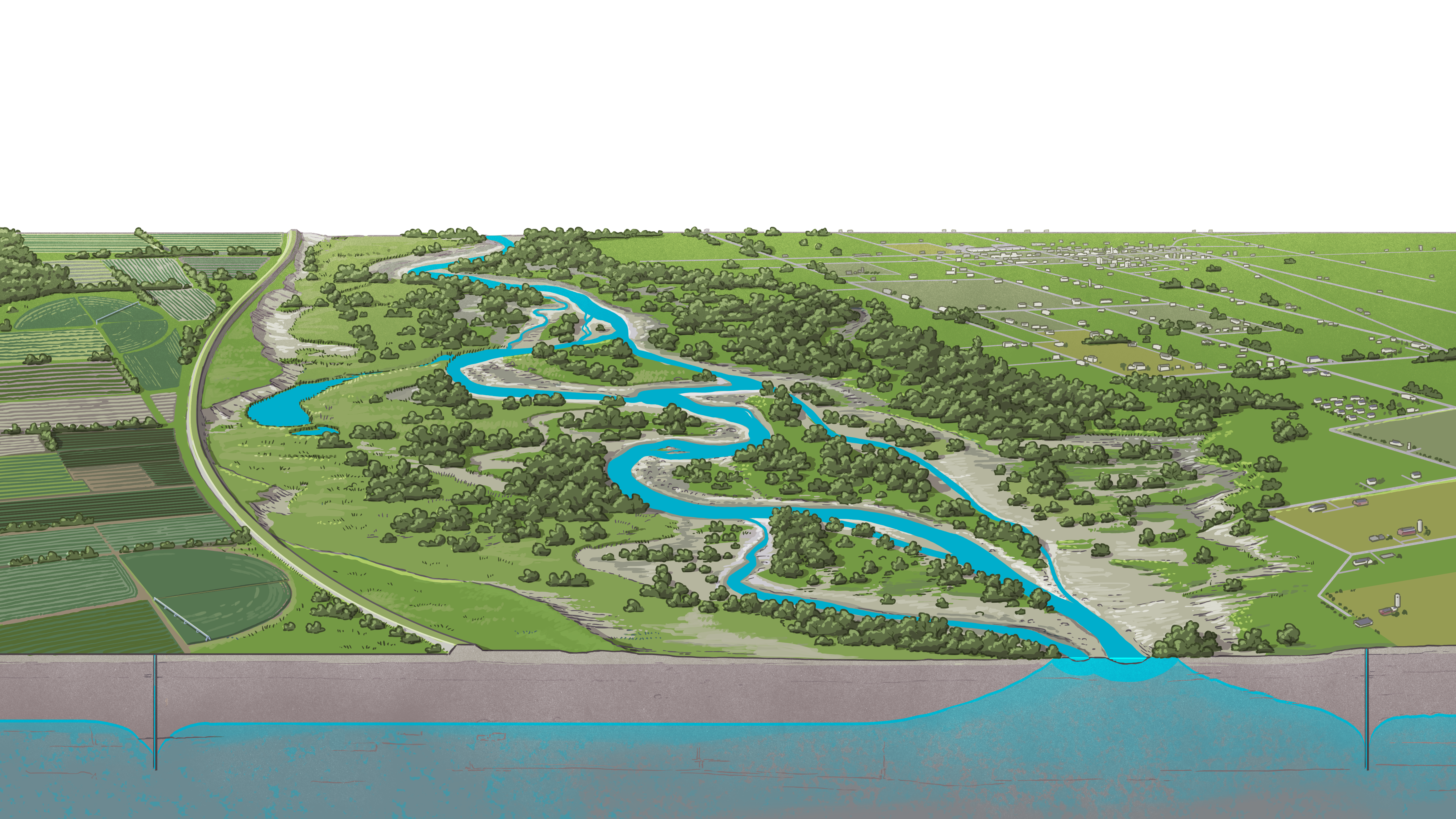
What does “impacted” mean?
Van Buskirk Multi-Benefit Ecosystem Restoration Project
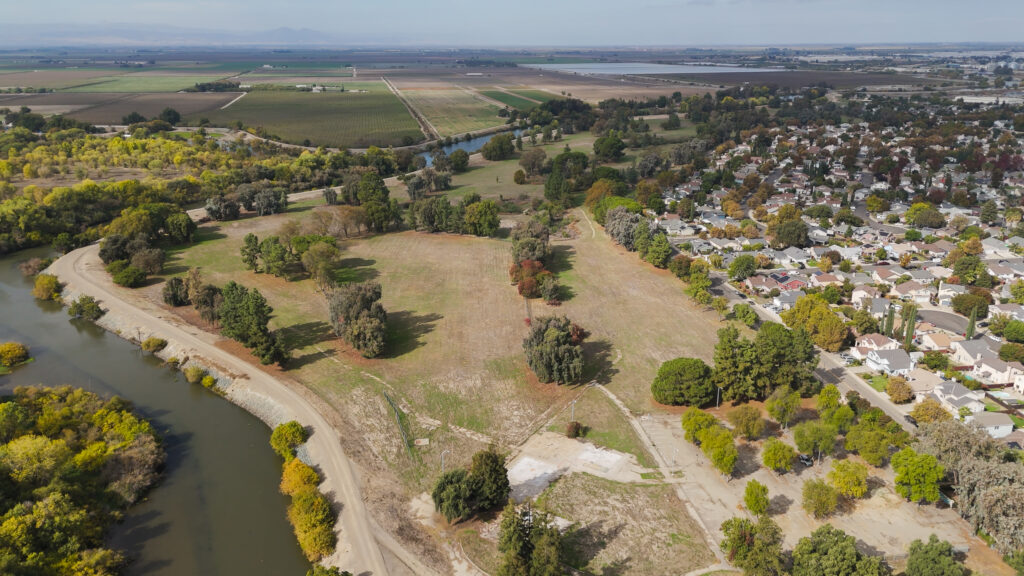
The Van Buskirk property in Stockton, California, has the potential to become a civic treasure. Located where the San Joaquin River meets French Camp Slough, the 192-acre former municipal golf course offers a rare chance to restore a natural floodplain while creating a world-class riverfront park that showcases the Delta’s beauty and serves people who live in historically underserved neighborhoods.
American Rivers and our partners are advancing a shared vision to reduce flood risk for surrounding communities, restore vital wetland and floodplain habitat for fish and wildlife, and open up safe, meaningful access to the river. The project will provide new opportunities for recreation, environmental education, and nature-based economic activity that reflect local priorities and honor the area’s remarkable cultural diversity.
By coordinating parallel planning efforts among the City of Stockton, the San Joaquin Area Flood Control Agency, and the U.S. Army Corps of Engineers, this initiative will repair aging levees, reconnect floodplains, and create a natural park that expands equitable access to green space. In a city marked by deep income disparities across racial and ethnic groups, Van Buskirk offers a transformative opportunity to invest in community well-being while revitalizing a critical Delta ecosystem.
What’s that mean for your state?
What actions are needed?
Measuring the degree that rivers are protected is inherently challenging. Rivers are hard to define. They cross boundaries and jurisdictions. They rise and fall, move across the floodplains and riparian areas on their banks, replenishing groundwater and soil. There are many factors that can impact a river’s health, from headwaters to mouth.
More floodplain restoration projects
The Floodplains Explorer can help state floodplain managers and river conservationists prioritize watersheds for floodplain restoration and protection efforts. More-detailed floodplain assessments, flood modeling, and public engagement will be necessary to develop projects at floodplain sites.
States need to invest in multi-benefit floodplain restoration
to improve the health of their rivers and solve their water resources challenges, including flooding, loss of biodiversity, and clean water supplies. They must also establish state funding programs and put in place floodplain development standards.
Build the capacity of floodplain restoration workforce
to plan, fund, and implement projects. Join the Natural Floodplains Alliance to learn, network, and access helpful resources.
Join the Natural Floodplains Alliance
Your free membership includes access to experts, networking opportunities, and resources for implementing your own nature-based floodplain management and restoration efforts.