No false choices: We can improve infrastructure permitting AND protect rivers
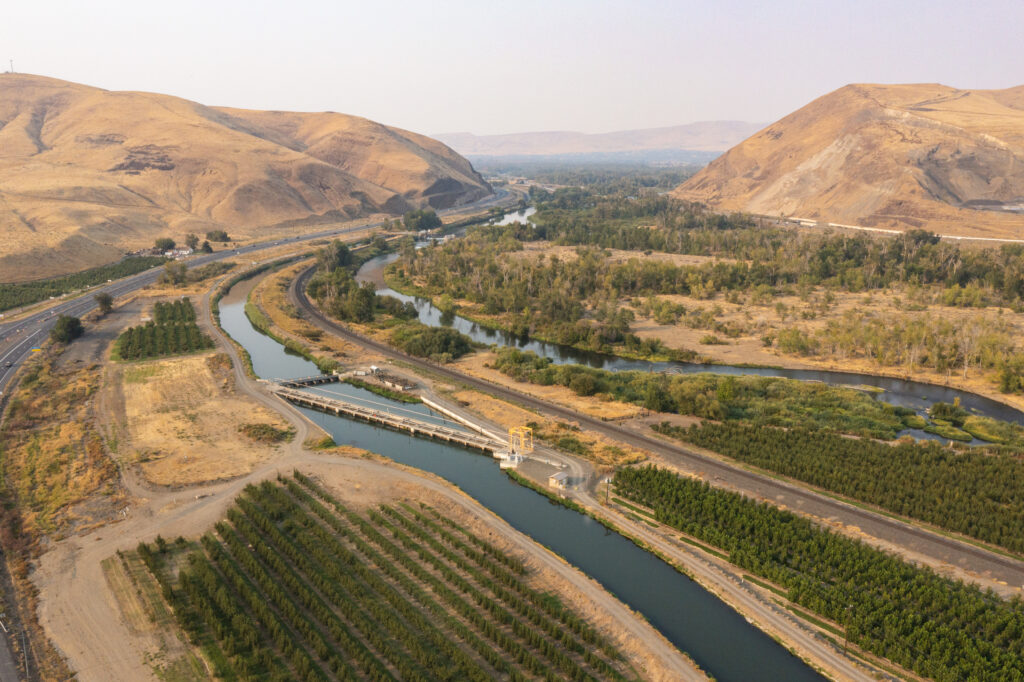
It’s common sense that before building a road, pipeline, mine, data center, or dam, developers should have appropriate permits to make sure they are meeting basic standards to safeguard rivers, drinking water, wildlife, and communities. Every community needs reliable infrastructure and clean water, and a permitting process that helps balance these needs.
American Rivers supports making permitting faster, clearer, and easier to navigate. We implement river restoration projects that require permits, and we know that better agency coordination and adequate agency staffing can help projects move forward while protecting rivers.
The Senate’s recently introduced Bipartisan American Affordability and Jobs Act of 2026 (BAAJA) would help speed up energy and infrastructure development, and it includes some useful provisions for online project tracking, agency capacity, and coastal restoration (§§1132, 1133, and 1308).
Let's Stay In Touch!
We’re hard at work for rivers and clean water. Sign up to get the most important news affecting your water and rivers delivered right to your inbox.
But these benefits do not outweigh our concerns about the bill’s overall effects on rivers and freshwater. Here are some of the provisions that we are concerned about:
- State and Tribal water protections (§1202): The bill would limit states’ and Tribes’ ability to protect water quality by making it harder to set and defend protective conditions and narrowing the review of potential harm. For certain infrastructure projects such as dams, interstate power lines, and gas pipelines, this could leave warmer water, lower river flows, and other harmful changes unaddressed, even when agencies identify a need for protection.
- Streams and wetlands (§1204): Small wetlands filter pollution and hold floodwater. Yet the bill would treat filling wetlands up to two acres for development as causing only minor harm for certain permitting decisions. Size alone cannot measure damage, especially when repeated stream crossings affect an entire watershed.
- Responding to problems (§§1203–1205 and 1401): The bill would limit when federal agencies can restrict dumping fill into rivers, lakes and streams, extend some permit terms, and make it harder for courts and agencies to stop or correct harmful work. New threats could emerge after approval, when fewer options remain to protect water.
- River reviews and public input (§§1101–1110): Most rivers depend on everyday permitting safeguards. Narrower reviews and limits on legal challenges could leave communities with fewer adaptive ways to protect drinking water and fisheries and to reduce flood risks.
- Fish and wildlife (§§1301 and 1304-1305): The bill would let states take over some federal wildlife reviews. Federal standards would remain, but differences in state commitment to protecting imperiled species, staffing, and expertise could complicate protection across state lines. A new science definition would also create disputes over which evidence agencies may consider. Limits would be set on our ability to challenge projects harmful to fish and wildlife.
- Hydropower (§§2232–2233): Dams affect river flows, water quality, fish, and Tribal resources. The bill would weaken protections for national forests and Tribal reservations by narrowing federal agencies’ authority to require measures that protect these lands and resources. Routine maintenance should preserve existing river protections.
Right now, Congress has an opportunity to address these concerns. American Rivers is committed to working with Congress to secure practical, bipartisan improvements to the bill—from preserving states’ and Tribes’ power to protect their streams, wetlands, and fish to maintaining federal protections to safeguard clean water.
Congress should keep decisions grounded in science, give communities a meaningful voice, and ensure agencies and courts can act before river damage becomes permanent. Partnering together, we can ensure that this bill preserves basic safeguards for waters while making permitting work better for people, projects, and the rivers we all depend on.