The Roadless Rule and Rivers
“The Roadless Rule safeguards millions of acres of forest from being carved up, developed, and put at greater risk from catastrophic wildfire and provides nearly 25 million Americans with low-cost, clean drinking water.”
—David Moryc, Senior Director of River Protection for American Rivers
The Roadless Rule, shorthand for the Roadless Area Conservation Rule (66 FR 3244), is a landmark national policy adopted by the U.S. Forest Service in 2001 to maintain approximately 58.5 million acres of largely healthy, undeveloped National Forest System lands. The Rule does this by prohibiting new road construction and commercial timber harvest in designated Inventoried Roadless Areas (IRAs). The importance of these protections cannot be overstated.

Inventoried Roadless Areas:
-
Cover roughly 30% of the 193 million-acre U.S. National Forest System (NFS)
-
Help protect more than 80,000 river miles across the country
-
Support crucial wildlife habitats
-
Provide clean, reliable drinking water for 25 million people
How Did the Roadless Rule Come To Be?
To talk about the origins of the Roadless Rule, we must first go back to the inception of the U.S. Forest Service. In 1897, the Organic Act created the U.S. Forest Service with an explicit mission to maintain forests to “secure favorable conditions of water flows.” During this time, the nation was growing at an exponential rate, which meant new roads for logging, mining, and other activities were quickly spreading across the National Forest System. Over 100 years later, scientists began to observe the undeniable negative impacts on fish, wildlife, and water quality of rivers that flow through these developed areas. To help preserve the land that was still undeveloped, the Roadless Rule was established to maintain what was left of healthy, intact forest lands.
What Does the Roadless Rule Do?
-
Protects Access to Clean Drinking Water for Millions
More than 25 million people rely on these valuable rivers for clean, safe, reliable water, including drinking water sources for major U.S. cities, such as Denver, Colorado, Bozeman, Montana, and Atlanta, Georgia.
See the stats
-
Provides Essential Habitat for Wildlife
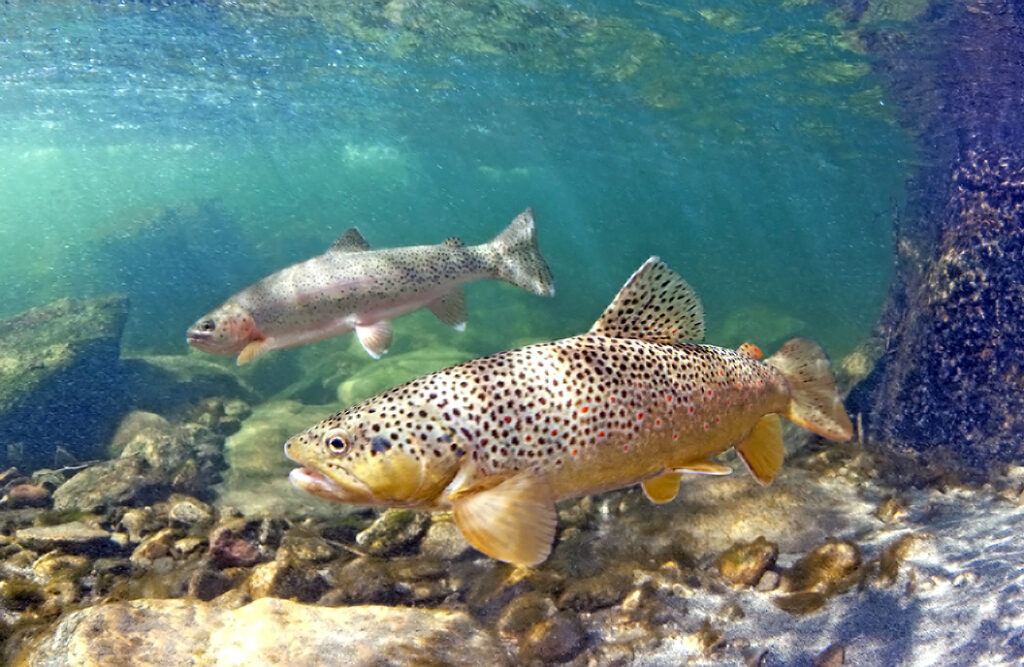
Roadless areas are essential for recovering and maintaining declining wildlife populations. For example, western native trout have declined dramatically, with most species now occupying less than 5% of their historic range. Five of the eight species of western native trout rely on roadless areas for more than half of their habitat, while one species, the Gila Trout, depends on roadless areas for 99% of its habitat.
-
Helps Mitigate Wildfire Risk
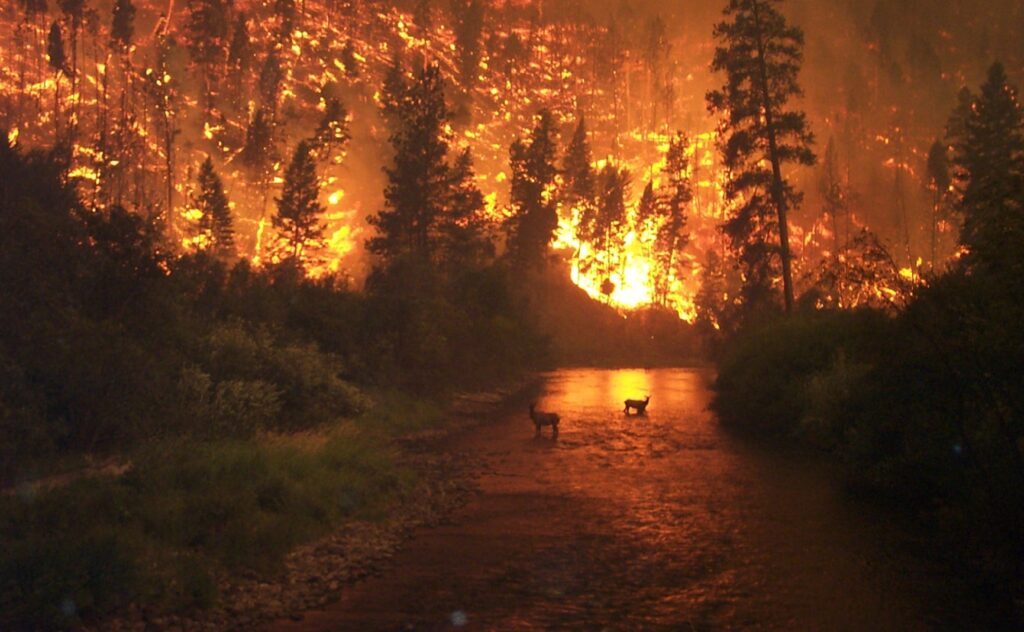
When it comes to managing wildfire risk, if we build more roads, we will have more wildfires. Research shows that wildfires were four times as likely to start in areas with roads as in roadless forest tracks, and across the country. Over 90% of all wildfires occurred within a half mile of a road.
-
Preserves Watershed Health
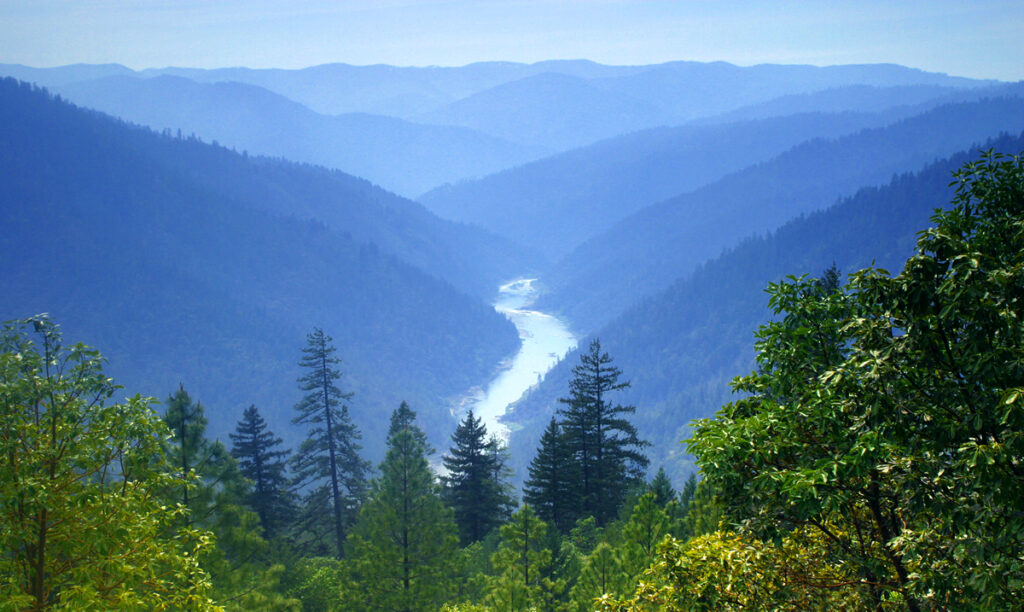
Logging roads have been linked to great increases in erosion rates and sediment delivery to streams—up to 850% over rates in undisturbed habitat—with long term and often catastrophic impacts on stream biota, aquatic ecosystems, and water quality. The Forest Service’s own scientists have repeatedly found road building is the primary activity resulting in damage to watershed health on US National Forests.
What is Happening Right Now With the Roadless Rule?
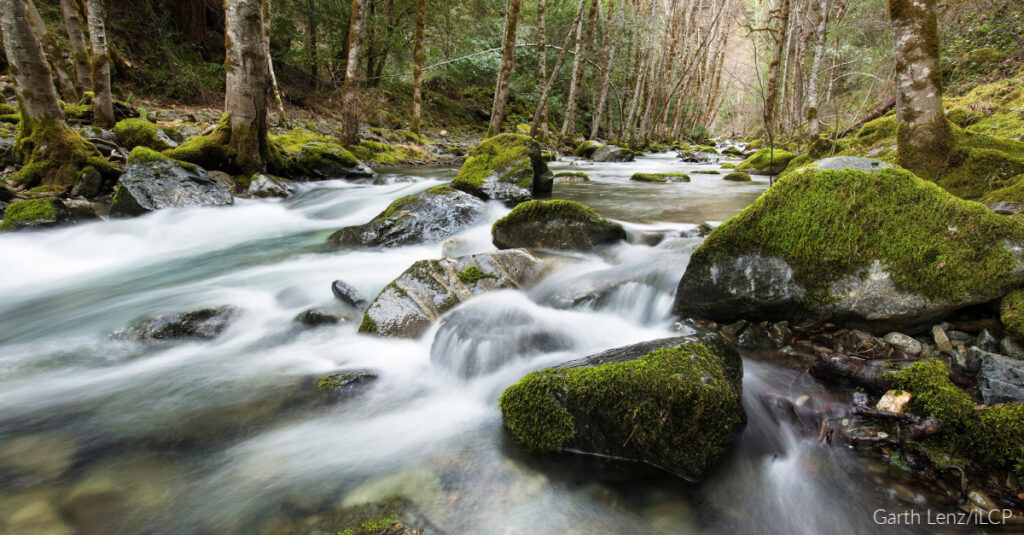
The U.S. Department of Agriculture recently announced it is seeking to roll back the Roadless Rule, which would be the single largest rollback of protections for rivers in U.S. history — putting clean water and freshwater habitat at serious risk.
Defend Roadless Rule Protections for your Clean Water, Rivers, and Wildlife
Join us in urging members of Congress to defend the Roadless Rule and ensure protection for almost 45 million acres of federal National Forests.
Why You Should Care About the Roadless Rule
The Roadless Rule directly protects over 80,000 miles of rivers. Protected areas have tremendous importance for drinking water, fish and wildlife, and outdoor recreation. Loss of the Roadless Rule would amount to losing one of the most significant river protection mechanisms in the country.
Roadless areas are essential for recovering and maintaining declining wildlife populations. For example, western native trout have declined dramatically, with most species now occupying less than 5% of their historic range. Five of the eight species of western native trout rely on roadless areas for more than half of their habitat, while one species, the Gila Trout, depends on roadless areas for 99% of its habitat.
When it comes to managing for wildfire risk, if we build more roads, we will have more wildfires; simple as that. Research shows that wildfires were four times as likely to start in areas with roads as in roadless forest tracks. Across the country, over 90% of all wildfires occurred within a half mile of a road.
Inventoried Roadless Areas offer some of the last, best hunting and fishing opportunities in the country. Every year, Americans collectively spend over half a million days hunting and fishing in IRAs. Losing protections for these areas will take away opportunities for American families to hunt, fish, and explore the great outdoors.
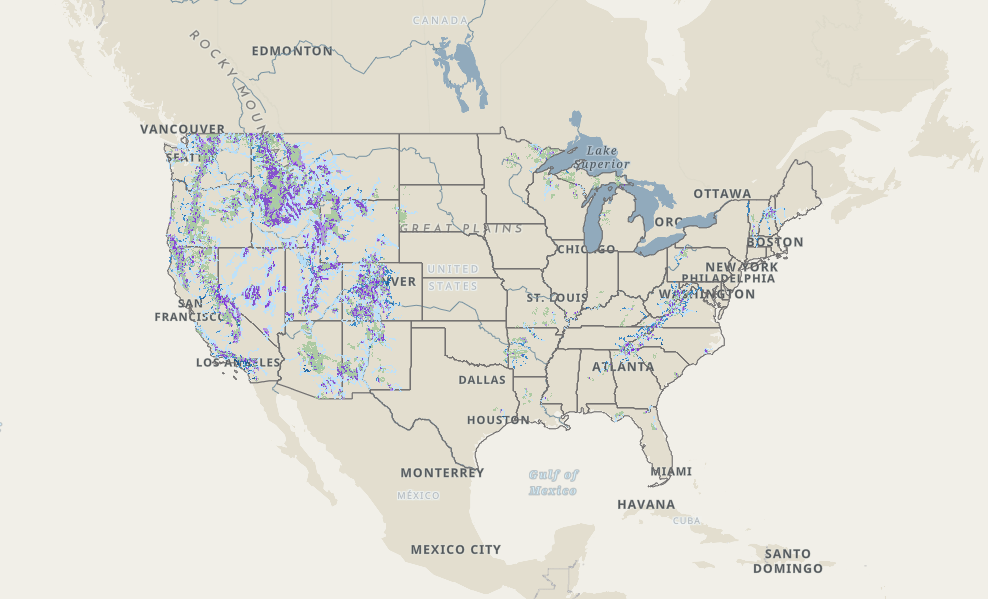
Inventoried Roadless Areas and Drinking Water
This interactive map shows Inventoried Roadless Areas in relation to drinking water sources. IRAs are marked in purple. The darker shade of purple means that the IRA is the primary mechanism of protection. The lighter shade of purple indicates places where IRAs contribute to protecting watersheds and other critical habitats. Areas in blue denote watersheds that are fed by rivers draining IRAs. The darker the color of blue, the more public water ratepayers depend on water protected by the IRAs.