Let’s Give Wild and Scenic River Bills Their Time to Shine in Congress This Year
Our rivers need urgent action right now. Wild and Scenic River designations are a good place to start.
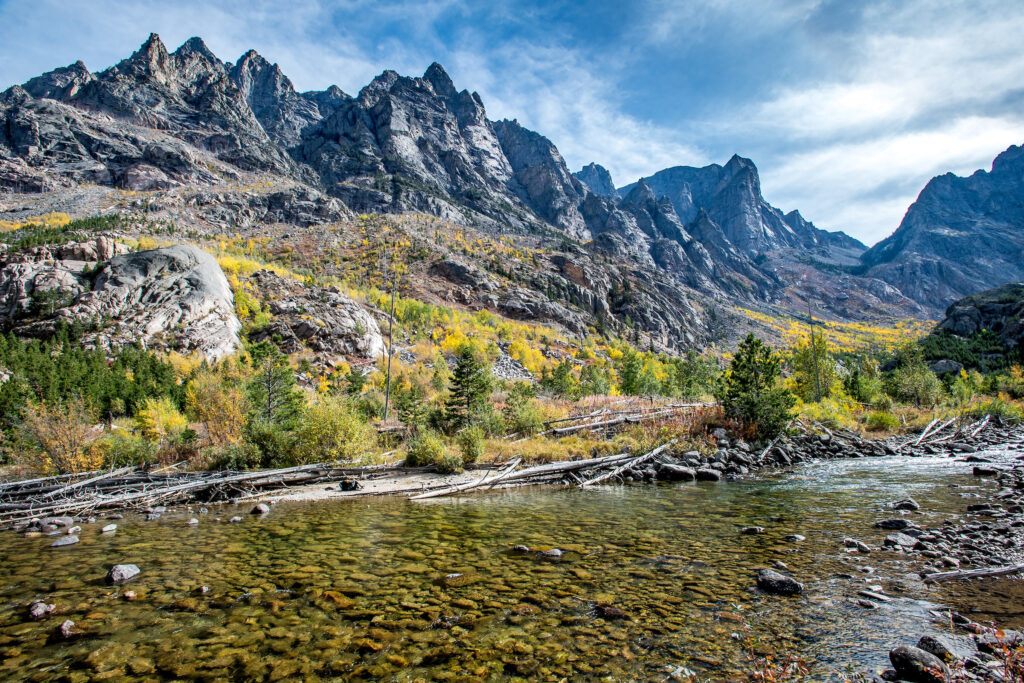
Americans in 2026 continue to strongly support the rivers that sustain their communities and outdoor traditions throughout the country. Clean water and access to public lands are values uniting voters across all political lines. According to the 2026 Colorado College Conservation in the West poll, 85 percent of voters say conservation issues involving public lands, waters, and wildlife are important in their decision of choosing if they want to support an elected official.
Pressures on rivers are increasing. Extreme weather, water shortages, mining, and pollution are placing new demands on waterways that were already concerningly under protected. According to our National Protected Rivers Assessment, nearly two-thirds of the nation’s 4.4 million miles of rivers lack any protection at all. The rivers we drink from, the rivers we recreate on, the rivers that support life in our country are at risk.
Our rivers need urgent action right now. Wild and Scenic River designations are a good place to start.
In 1968, Congress passed the Wild and Scenic Rivers Act, one of our nation’s most effective tools for protecting incredible rivers. This protection is a commonsense, bipartisan tool that lets communities protect their local water resources, while also allowing for the responsible use and management of the river corridor. Today, the Act protects more than 13,000 river miles, a small slice of what’s needed but a huge opportunity to build upon decades of successful conservation.
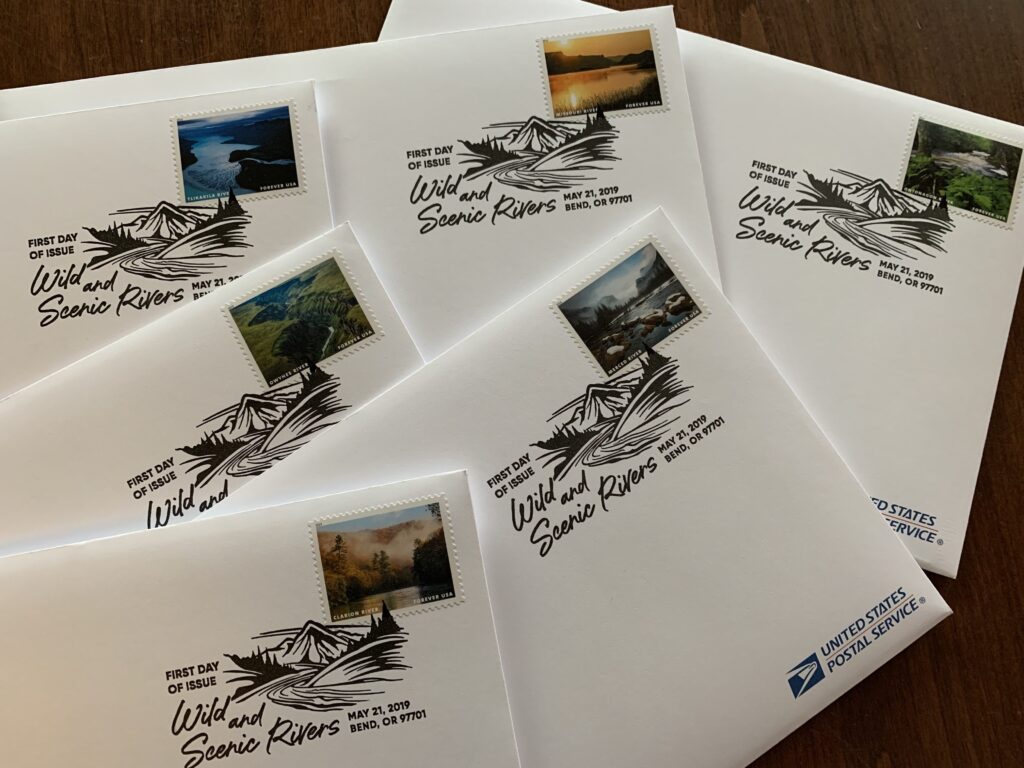
In this Congress, there are more than 15 Wild and Scenic River bills that have been introduced, from the Florida to Washington. Each of these bills represents the opportunity for our elected leaders to demonstrate strong bipartisanship leadership to protect clean water.
Five Reasons to Pass Wild and Scenic River Protections in 2026
1. River protection reflects the values Americans share
Voters across the country repeatedly expressed their support for the protection of clean water and wildlife habitat, and rivers are at the heart of these priorities. Communities rely on them for everything from clean drinking water to fishing, recreation, and tourism–even local identity (who lives in a “river city”?). Wild and Scenic River designations let Congress sustain these values head on. Safeguarding rivers that hold outstanding ecological, recreational, or cultural importance ensures lawmakers protect the landscapes people care about most, keeping them and their communities healthy, accessible, and economically vibrant. Wild and Scenic River designations preserve existing river character at a time when communities nationwide are facing increasing pressure from development.
2. Wild and Scenic Rivers are supported on both sides of the aisle
These are just a few of the bill introductions demonstrating that protecting rivers and clean water is commonsense bipartisan policy and something that can unite us all.
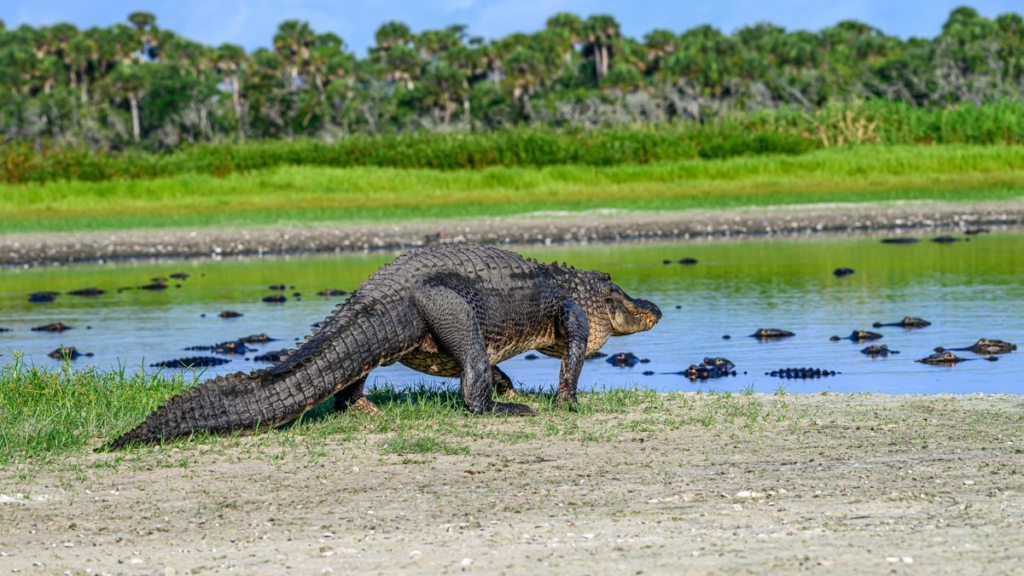
Rep. Greg Steube (R-FL) and Sen. Rick Scott (R-FL) introduced the Myakka Wild and Scenic River Act of 2025 in the Senate and House, respectively, to protect portions of the rain-fed Myakka River. Wild and Scenic River designation would protect this river’s manatees, American alligators, support multi-generational cattle ranching, and honor a 50-year legacy of protection by Sarasota County and the state of Florida.
Rep. Ryan Zinke (R-MT) has emphasized the importance of conserving public lands and river corridors that are tied to Montana’s outdoor recreation, hunting and fishing heritage. Through his Greater Yellowstone Recreation Enhancement and Tourism Act, nearly a hundred miles of the Gallatin and Madison Rivers would be protected for generations of anglers to come.
Sen. Heinrich (D-NM) and Rep. Gabe Vasquez (D-NM) introduced the M.H. Dutch Salmon Greater Gila Wild and Scenic River Act to protect nearly 450 miles of the Gila and San Francisco Rivers and their tributaries as well as the $450 million they bring into the New Mexico economy annually.
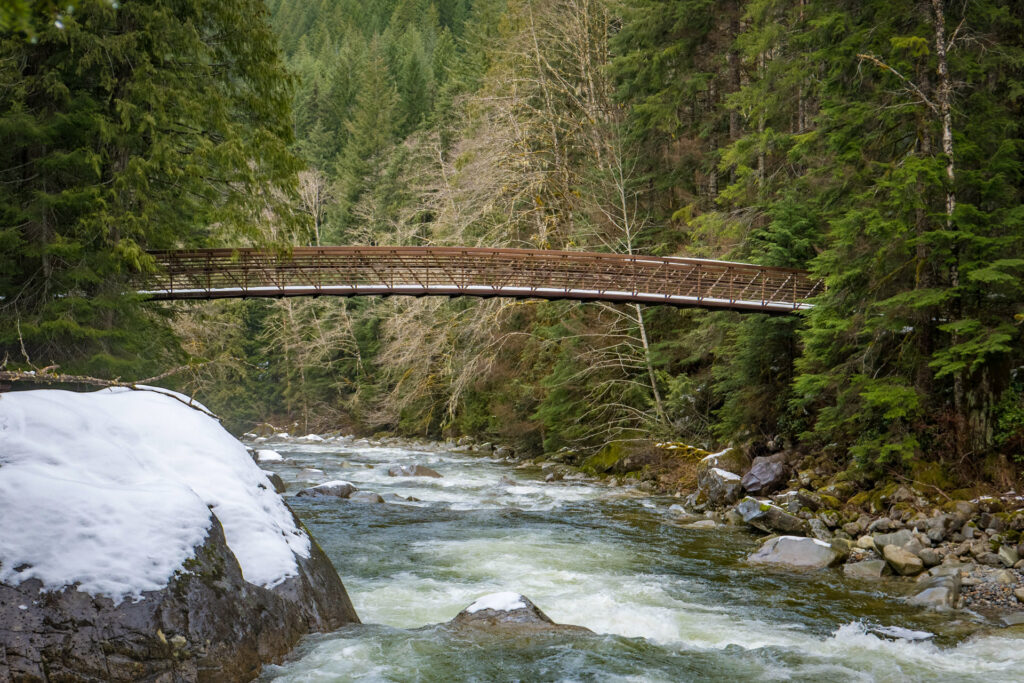
3. Wild and Scenic Rivers support local economies and outdoor recreation
Protected rivers are the backbone of many local economies. Communities have long benefited from the fishing, paddling, rafting, wildlife viewing, and tourism that healthy river systems crucially support. River-based tourism sustains outfitters, guides, retail stores, hotels, breweries, restaurants, and other local businesses that benefit from outdoor recreation. Wild and Scenic River designations help guarantee that the natural character of rivers stay intact, which is essential for attracting visitors and their tourism dollars.
4. River protections allow for continued responsible land management
River protection and land stewardship go hand-in-hand. River corridors protected by Wild and Scenic River designations are compatible with forest management, including wildfire mitigation efforts. Each river has a management plan developed to ensure that conservation goals are balanced with responsible stewardship of the river’s surrounding lands. This collaborative approach allows communities and land managers to protect river values while also achieving fuels reduction, forest health, recreation, and timber objectives.
5. Wild and Scenic Rivers are built on community-driven conservation
Wild and Scenic River designations always begin with local communities. Local governments, private landowners, tribes, conservation groups, state agencies, local businesses, and passionate community members work together for years to study rivers, develop their management plans, and elevate their importance to elected officials. This teamwork builds support for river protection before, during, and after legislation is introduced in Congress. This community-driven model helps make certain that river protections reflect the needs of the people who actually live closest to them.
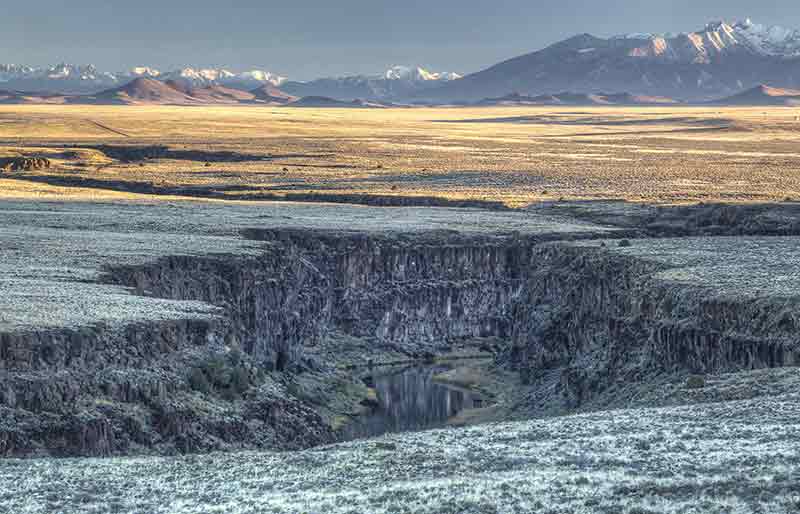
Protecting Rivers is a Practical Step Forward
Americans nationwide are navigating complex environmental challenges, including drought and wildfire. As pressures on water systems intensify, communities need solutions that are both effective and broadly supported. Protecting rivers through the Wild and Scenic Rivers Act provides that path forward.
The Wild and Scenic Rivers Act safeguards clean water and protects wildlife habitat. It also encourages the outdoor traditions that define many communities in the United States. They also demonstrate that conservation can succeed when local collaboration and bipartisan leaders come together backed by consistent support from the public.
In 2026, Congress has a clear opportunity to act. During Wild and Scenic Rivers Hill Week last week, lawmakers heard directly from communities and partners across the country about the importance of protecting free-flowing rivers. Advancing new Wild and Scenic River designations now would build on a proven legacy of bipartisan conservation while ensuring the rivers communities depend on continue to flow freely for generations to come.
Let's Stay In Touch!
We’re hard at work for rivers and clean water. Sign up to get the most important news affecting your water and rivers delivered right to your inbox.