Rivers and Data Centers
What’s at Stake for Water Supply, Water Quality, and Energy
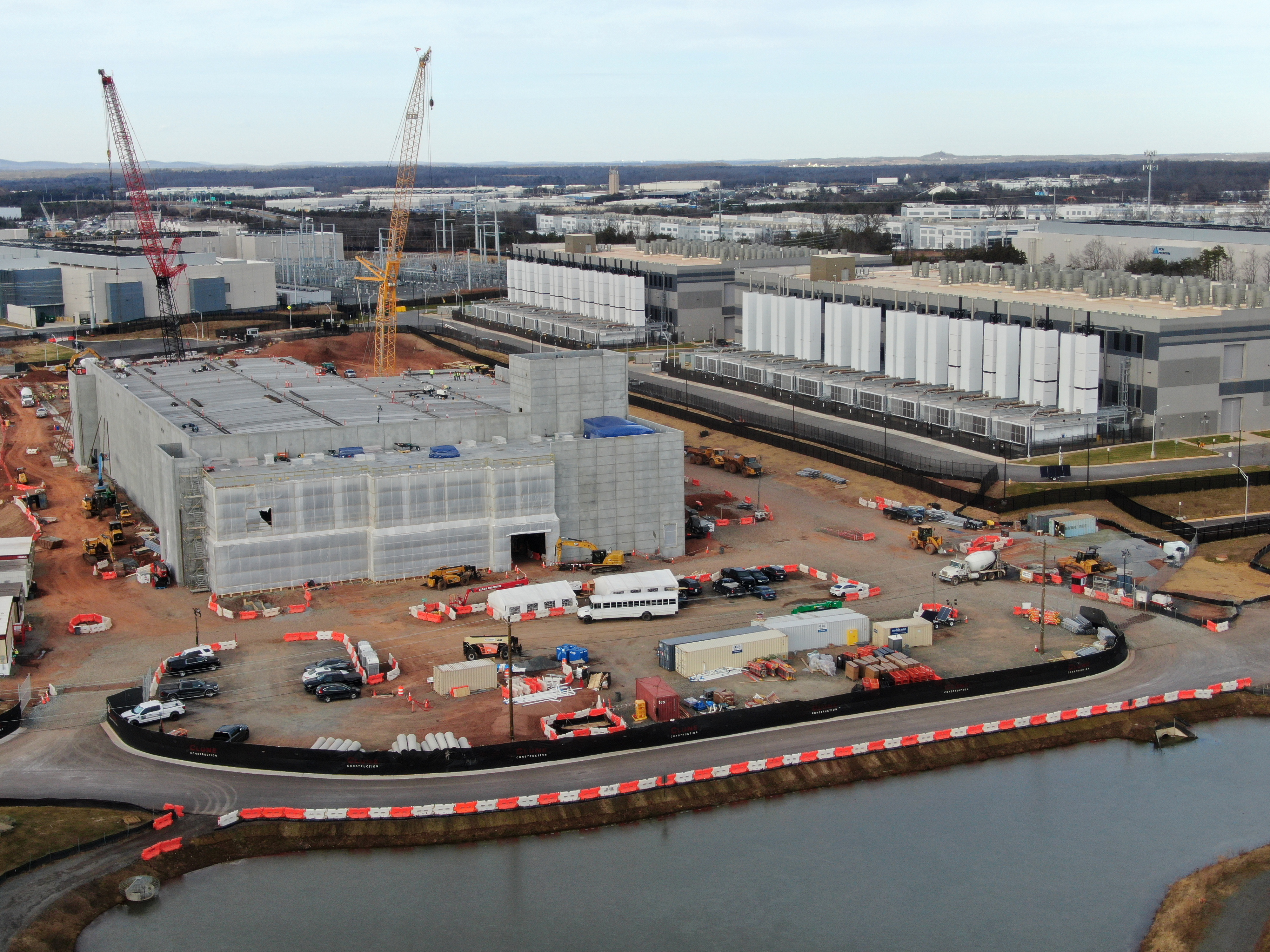
Data centers are a new reality of life as technology develops rapidly and society becomes increasingly reliant upon AI. Data centers are big facilities that house servers, storage, networking equipment, and supporting infrastructure that power websites and other digital services people use every day. They are vital to everyday modern life, economic growth, and national security. However, as data centers are being constructed at unprecedented rates, they have significant impacts on communities, on surrounding landscapes, and on our rivers. While each construction project is unique, when done without rivers in mind, it can inflict harmful impacts on our nation’s water supplies, community health, aquatic habitats, and river-based economies.
Why rivers are part of the data center conversation
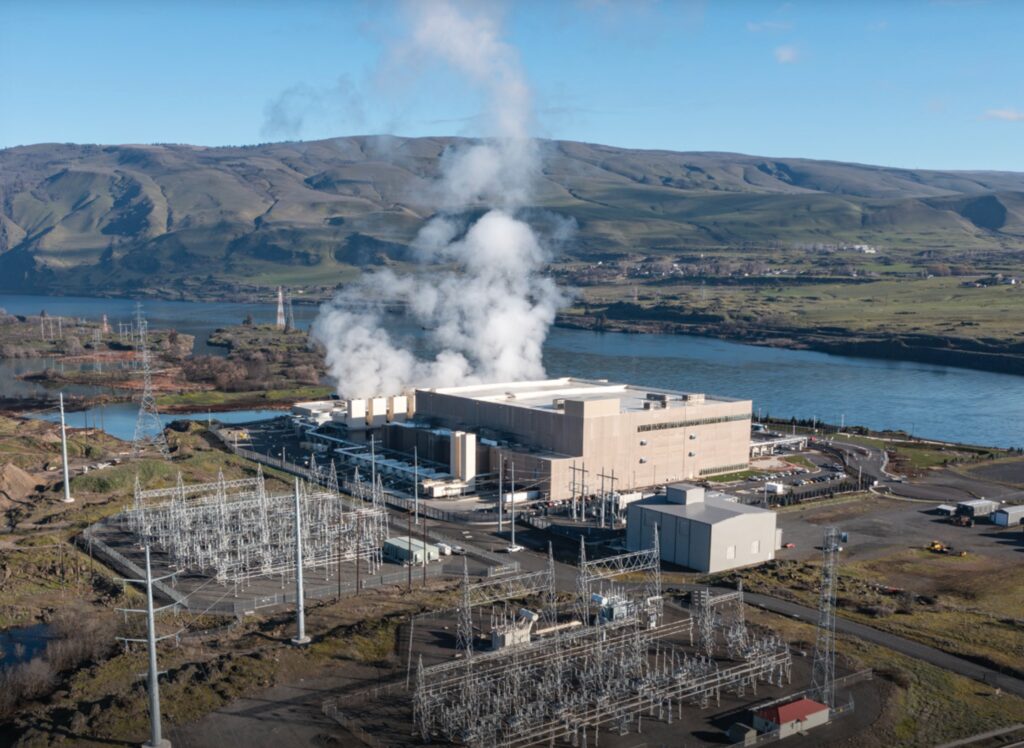
Data centers generate tremendous heat through operation. And to operate reliably, they must be cooled. While cooling methods vary by facility, they consistently rely on water. A single large data center can consume up to five million gallons of water per day — the same daily water use as more than 15,000 homes.
To run the network of computing equipment, data centers require tremendous amounts of electricity. And to meet increased electricity demands, power plants use water, creating added stress on rivers. Federal estimates show that electricity use by data centers has already more than tripled since 2014 and is projected to rise sharply again by 2028. In some regions, the projected electricity demand growth is expected to come almost entirely from data centers. To maintain operations during power disruptions, data centers often rely on on-site backup generators powered by diesel or natural gas, which contribute to local air pollution.
In addition to water use, data centers affect rivers through their physical footprint. These facilities often cover expansive landscapes with buildings, parking lots, and other impervious surfaces. During storms, rainwater cannot penetrate the ground and is instead discharged to creeks and rivers, where it increases stormwater impacts and delivers pollutants to nearby waters.
How do data centers use water on-site?
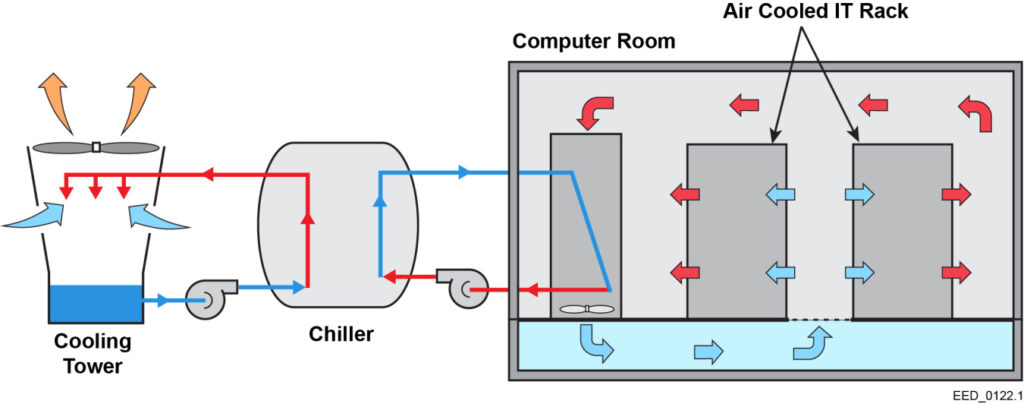
Data centers often use water-cooled chillers and cooling towers to remove heat from their servers and other equipment. These systems frequently employ evaporative cooling processes, which consume water and increase the demand for local water supplies. Cooling often relies on evaporation, which causes much of this water to be released into the atmosphere instead of being returned to the river system. This results in a net loss of water for rivers and aquatic habitats.
The amount of water a facility uses depends on factors like climate, location, heat production, and cooling system efficiency. Most data centers source water from community drinking water utilities, increasing demand on local water supplies and raising water treatment costs for all ratepayers.
An analysis by Lawrence Berkeley National Laboratory indicates that nationally direct water consumption by U.S. data centers increased significantly between 2014 and 2023. These estimates represent national totals of actual local water impacts depending on facility location, cooling technology, water sources, and regional water availability conditions. Some facilities use cooling systems that require a much smaller amount of water or sometimes no water at all, like closed-loop cooling systems or direct-to-chip liquid cooling systems, but these typically increase electricity demand. These approaches can, however, significantly reduce water consumption as opposed to traditional evaporative cooling towers.
Data Centers and Rivers: Protecting Clean Water and River Health
A guide for local Governments and river advocates — April 2026
The largest water footprint can be indirect: electricity and the energy sector
In 2023, U.S. data centers consumed enough electricity to power about 12% of US households. Electricity generation relies on water at many power plants, so this level of energy demand was associated with a substantial indirect water footprint, estimated at nearly 800 billion liters (~211 billion gallons) nationwide.
This indirect water use occurs at the power plants that generate electricity for data centers, and the amount of water involved varies depending on the type of power plants in the region supplying that electricity. Electricity generation, specifically at thermoelectric power plants, requires large withdrawals of water from rivers and other water bodies.
According to the U.S. Geological Survey, power plants and irrigation were the two largest uses of water withdrawals in the United States in 2015. Thermoelectric power plants alone withdrew an estimated 133 billion gallons of water per day, which is more than 130 times New York City’s daily water use. Even when withdrawn water is returned to rivers, large withdrawals and heated discharges can change streamflow timing and alter water temperatures, all while affecting aquatic habitats. These effects can be worsened during periods of low flow or high heat stress, as rivers are already under strain.

Let's Stay In Touch!
We’re hard at work for rivers and clean water. Sign up to get the most important news affecting your water and rivers delivered right to your inbox.
River and community risks raised in permitting and planning
There is a broad lack of transparency surrounding data center water use. Companies routinely treat information about cooling water consumption as proprietary information and require local governments to sign confidentiality agreements. Communities, regulators, and water managers alike are resultingly denied access to basic data about water use, which makes effective management and planning for local water supplies difficult, if not impossible. Tribal Nations frequently lack opportunities to participate in decisions about data center developments, even though the projects often affect their waters and culturally significant landscapes.
Most data center cooling systems rely on public drinking water sources. In areas where water is already scarce, data center water demand places additional pressure on limited water supplies, especially in hot climates and during periods of high demand.
Data centers and the power plants that supply them may discharge heated water into rivers. This heat pollution raises river temperatures, which then stresses fish and aquatic organisms. These thermal discharges should be minimized through water quality standards, and federal permitting guidance recognizes that higher temperatures in receiving waters can affect aquatic life. In addition to heat, wastewater from cooling systems can contain PFAS — “or “forever chemicals” — and other toxins.
When large amounts of cooling water are drawn from rivers and estuaries, fish and other aquatic organisms can be harmed. Some organisms can become trapped against intake screens, and even smaller organisms can be pulled into cooling systems with the incoming water. These risks led the Clean Water Act to include requirements that cooling water intake structures be designed and operated in ways that minimize harm to aquatic life.
Rivers are ultimately both the source waters and the receiving waters of the impacts of data centers. They are living ecosystems that can be stressed by this rapid and new growth, even as other pressures on them mount. As our nation navigates forward, we must balance the impacts on precious water resources with technological advances.