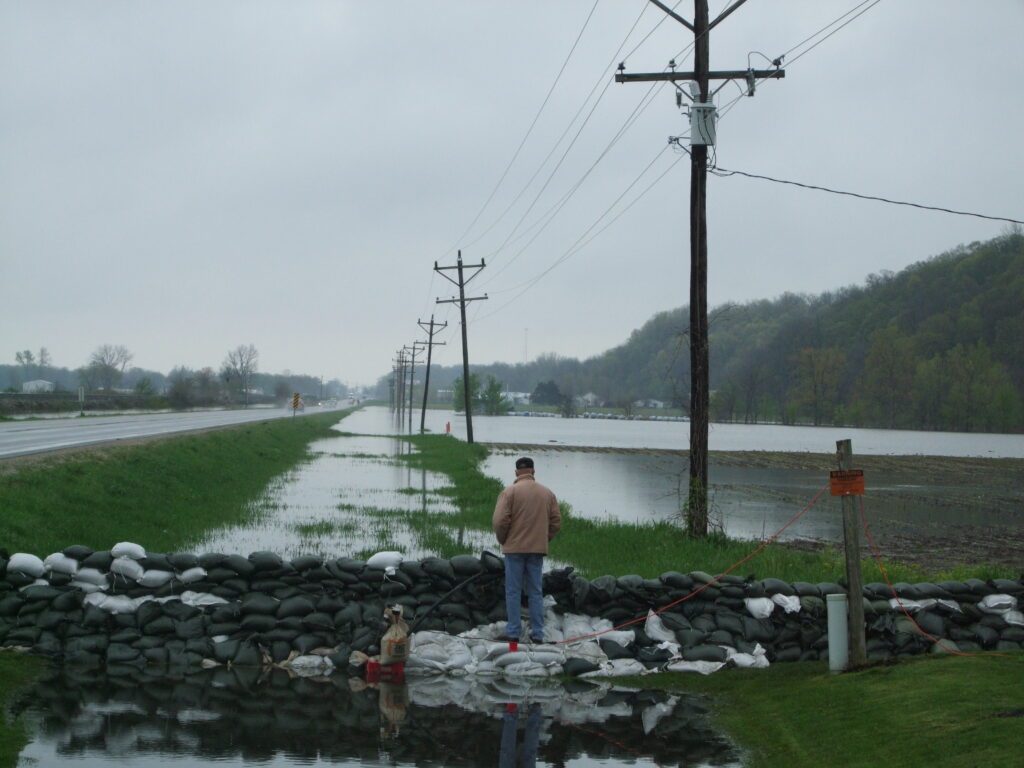
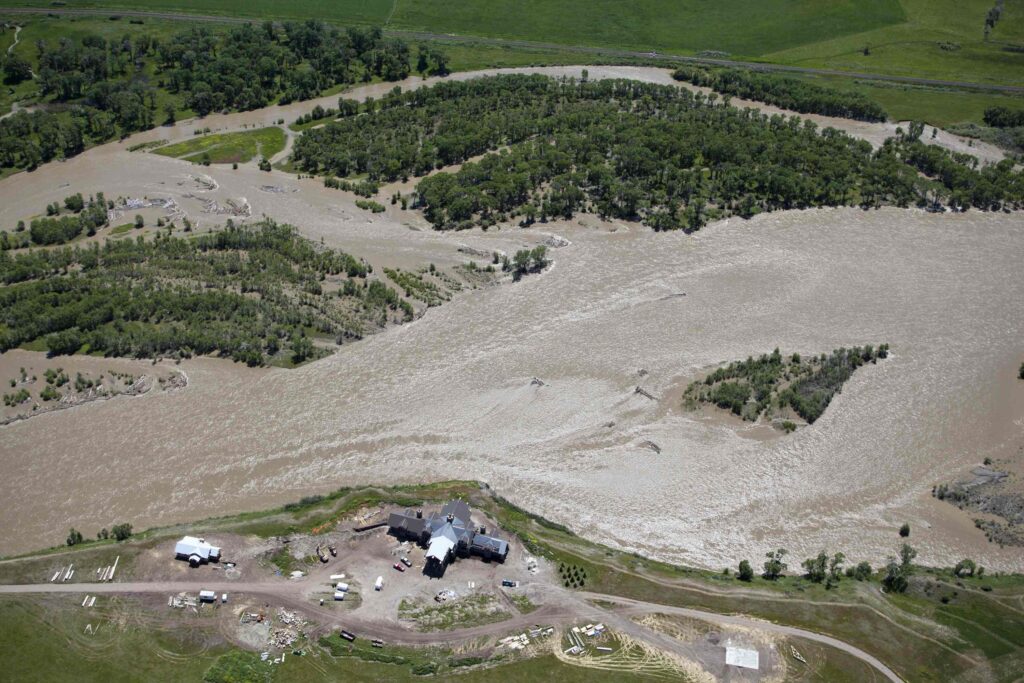
What is the Floodplain Enhancement and Recovery Act?
Removing outdated policy barriers to commonsense river restoration
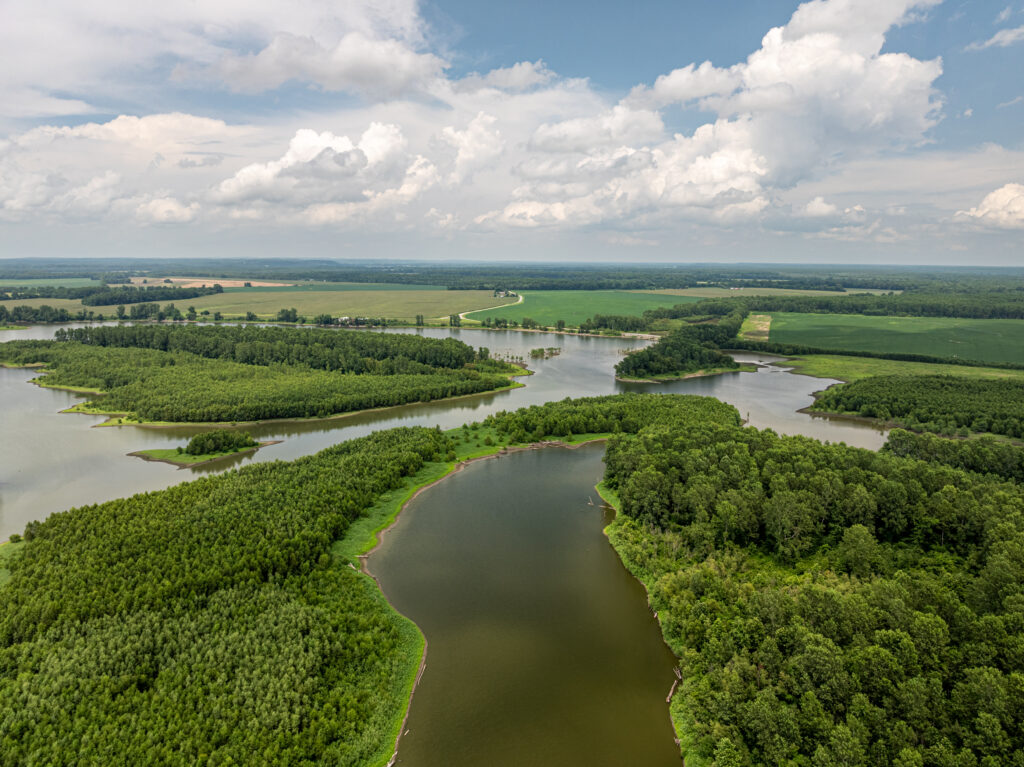
Restoring floodplains — the low-lying lands next to rivers — is one of the most effective ways to reduce flood risk to communities, strengthen ecosystems, and improve water resources.
Across the country, communities, Tribes, and land and resource managers are working to restore rivers and reconnect floodplains. As weather events grow more intense and unpredictable, these projects are becoming more essential. Floodplains are a powerful and natural form of infrastructure. When floodplains are healthy and connected, they can absorb and slow floodwaters, recharge and store groundwater, reduce wildfire impacts, improve rangeland health, and increase biodiversity. Healthy floodplains can protect communities while also strengthening ecosystems.
Despite the proven benefits, floodplain restoration projects are often delayed or stopped entirely because of outdated policies from the Federal Emergency Management Agency (FEMA). Why? Because…
Outdated policies treat restoration like development.
Under current FEMA policy — even when projects pose no risk to people or property — river and floodplain restoration is regulated the same as new development. In other words, projects designed to reduce flood risk can get caught up in FEMA’s no-rise standard and Conditional Letter of Map Revision (CLOMR) process. The no-rise standard is meant to prevent floodplain development from increasing flood elevations and putting people or property at risk.

The thing is, restoration projects — such as reconnecting floodplains to rivers, planting riparian vegetation, or stabilizing streambanks — can lower long-term flood risk. The lack of distinction between restoration and development creates unnecessary roadblocks, slows urgently needed resilience work, and discourages restoration efforts that could help communities adapt to worsening floods.
So what can be done? Enter:
Floodplain Enhancement and Recovery Act
The Floodplain Enhancement and Recovery Act would modernize FEMA’s approach to ecosystem restoration.
If passed, the Floodplain Enhancement and Recovery Act would give states and local communities more flexibility under FEMA’s “No- Rise” rule to execute projects needed to restore these natural floodplains. Passing this act would reduce regulatory burdens and give states, Tribes, and local communities the tools they need to restore floodplains, protect lives and property, and build safer, more resilient landscapes.
The Floodplains Enhancement and Recovery Act would ensure that floodplain restoration is treated like what it is — an investment in safety and resilience — not a risk.
So don’t wait, follow the link below to tell Congress to support the Floodplains Enhancement and Recovery Act now!
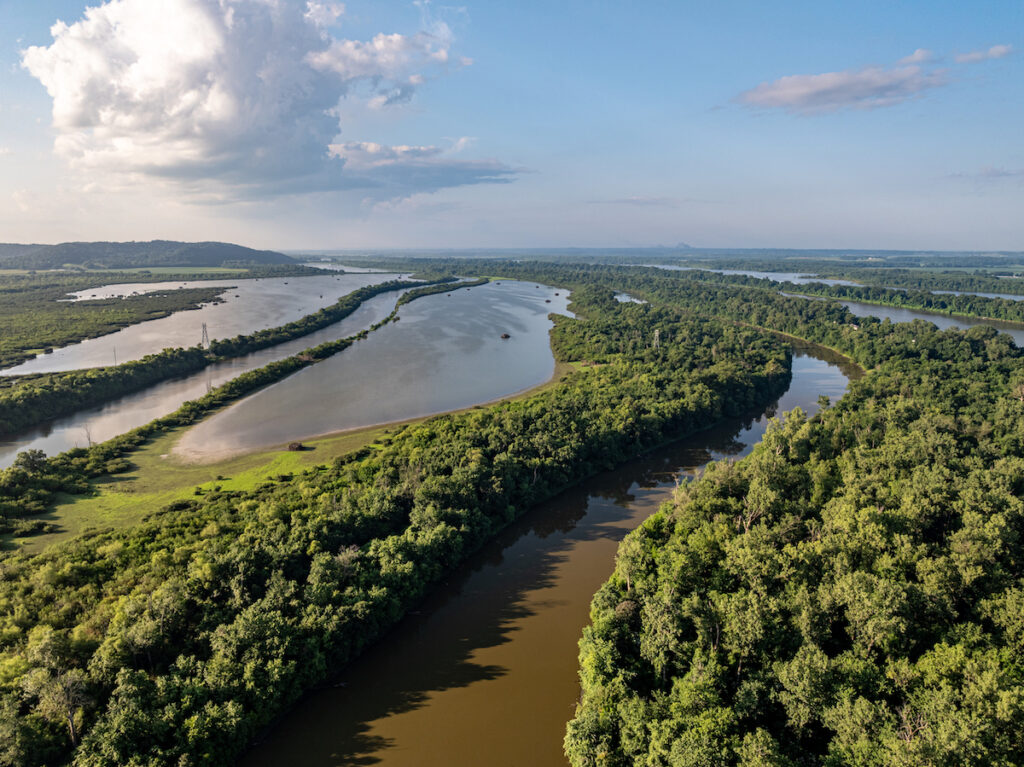
Tell Congress to Support the Floodplain Enhancement and Recovery Act Now!
In order to effectively restore more of our nation’s floodplains back to a natural and healthy state, Congress must pass the Floodplain Enhancement and Recovery Act.