Project Partnership to Restore Passage and Refuge for Struggling Salmon Populations
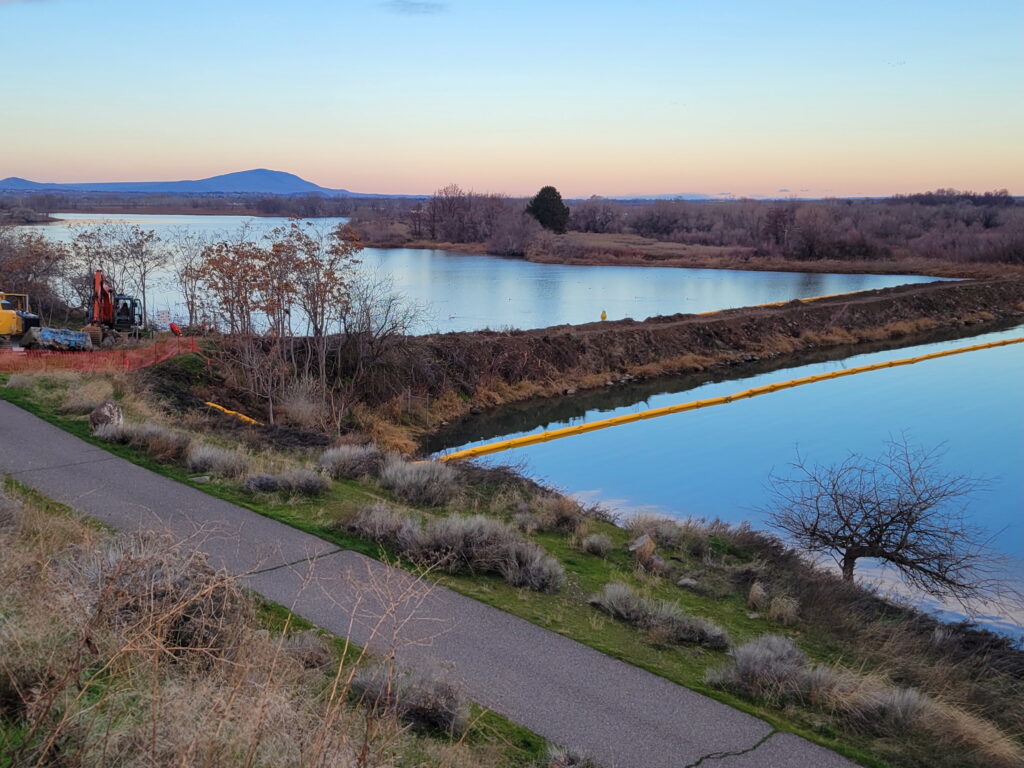
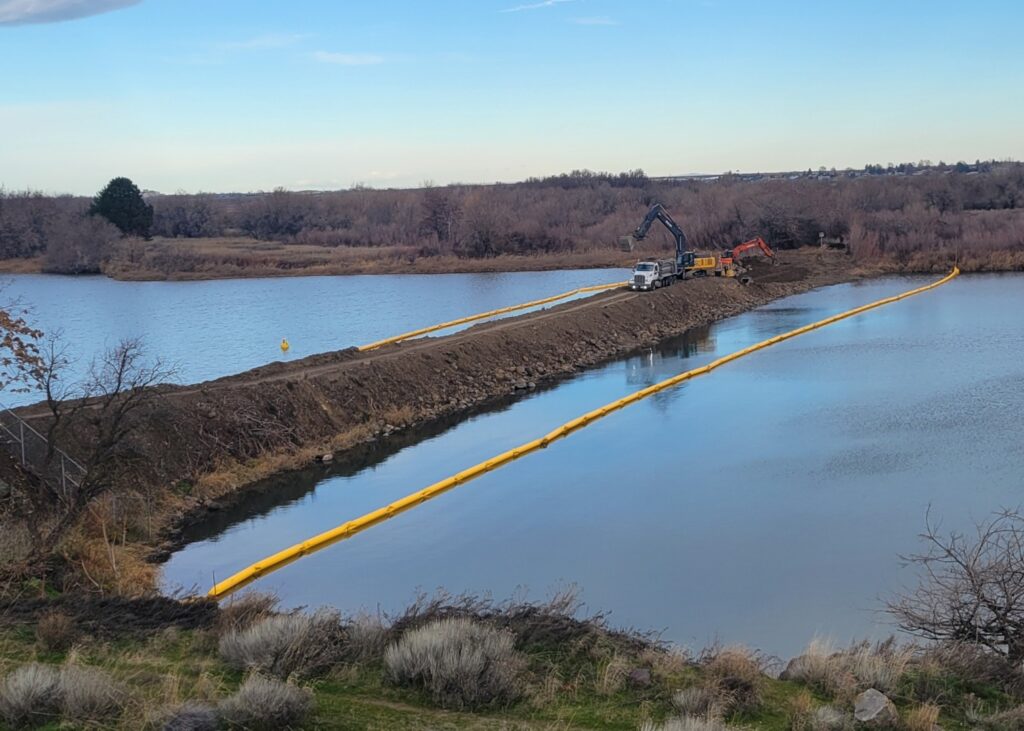
After more than 10 years of planning, the deconstruction of a human-made causeway that blocks an entire section of the lower Yakima River in Central Washington is underway.
American Rivers has long advocated for the causeway’s removal at Bateman Island. Freeing the river here will allow salmon and steelhead to migrate unimpeded for the first time in decades, maximizing significant habitat restoration investments in one of Washington’s largest watersheds and marking an important step towards healing the Yakima River Delta.
Salmon are essential to the culture and sustenance of the Confederated Tribes and Bands of the Yakama Nation, who are working tirelessly to replenish fisheries on the river, a major tributary of the Northwest’s great Columbia River.
We’re excited to see this major project begin and grateful for the collaboration between all our partners in the Yakima Basin Integrated Plan.
Learn more about the expected benefits to the river ecosystem below.
This story was originally published by the Washington State Department of Fish and Wildlife on January 5, 2026
Many years ago, people built a dead end where two rivers met — and blocked an ancient pathway for migrating salmon and steelhead.
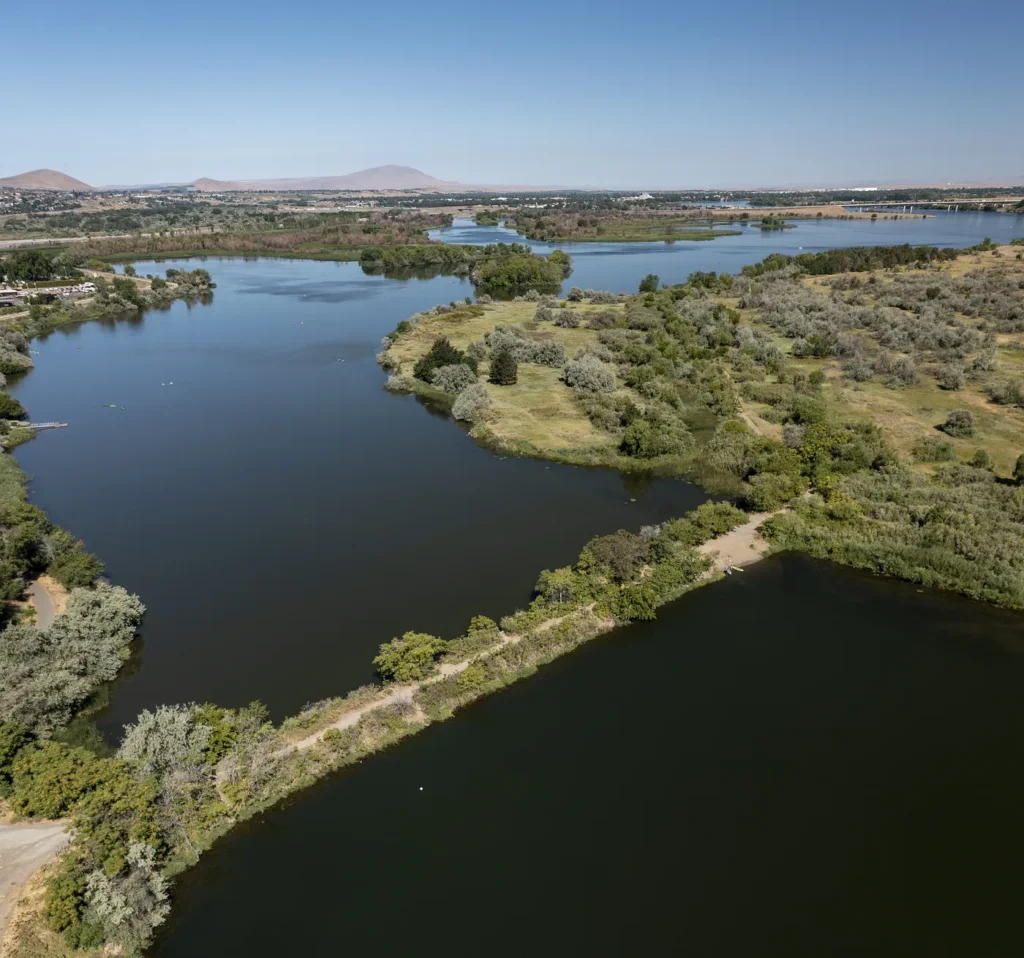
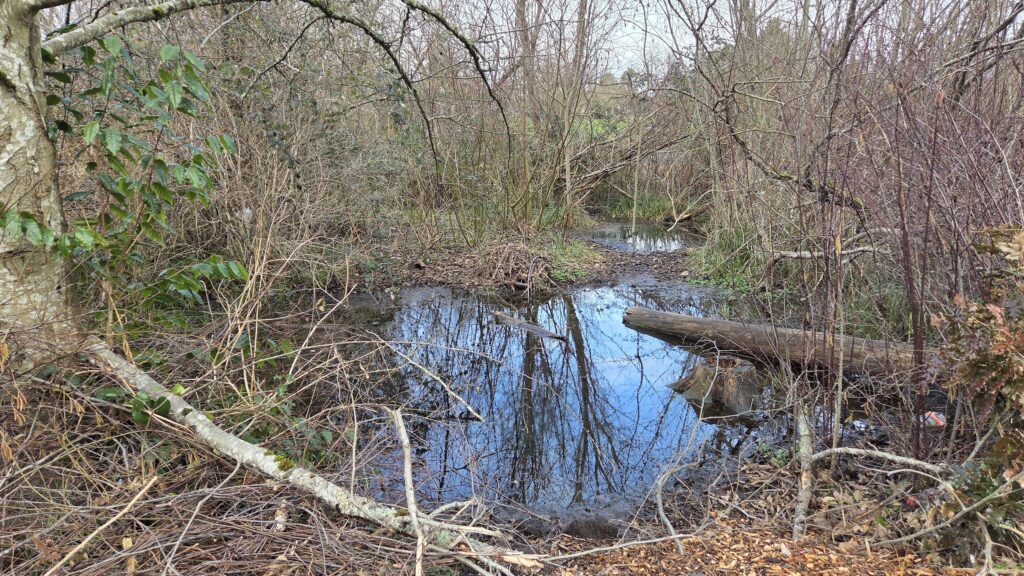
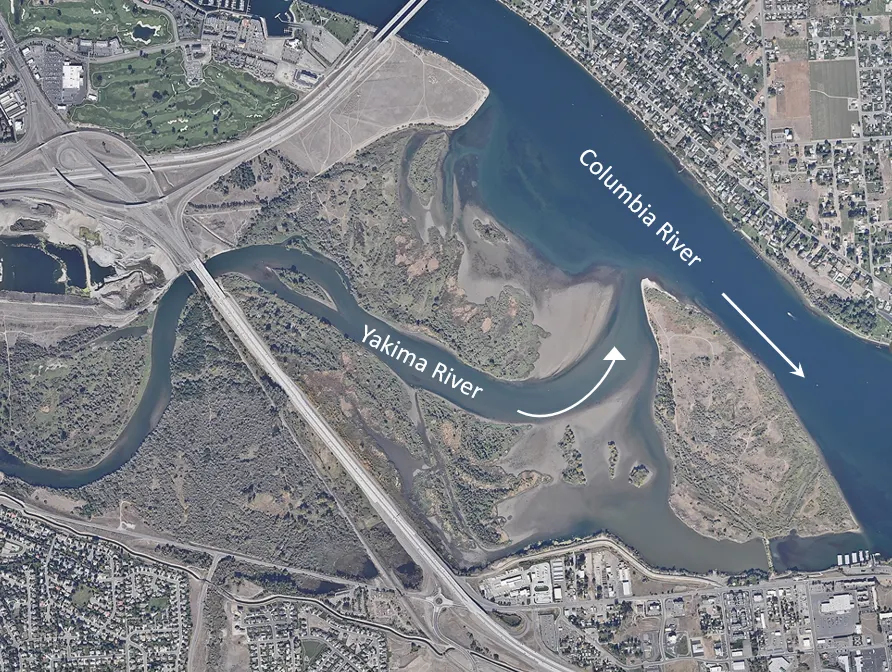
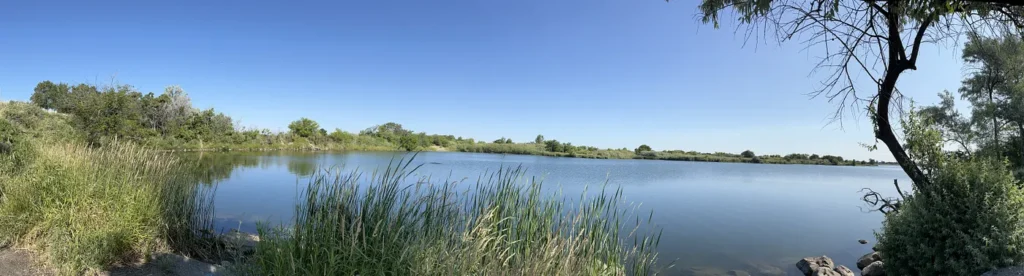
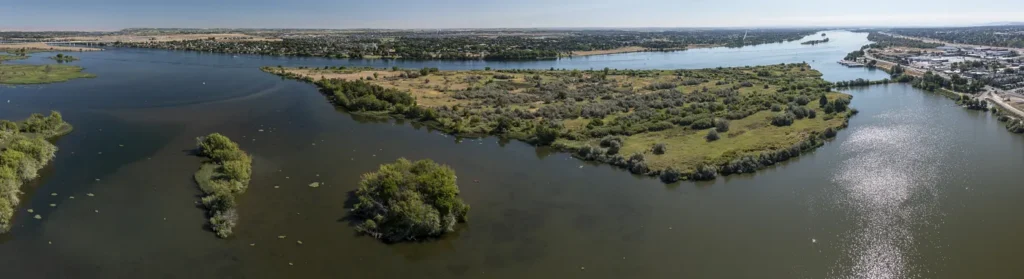
Bateman Island is a beautiful place resting in the delta where the Yakima River flows into the Columbia River near Richland. While the exact history is unclear, around 1939 or 1940, a causeway (or raised path) was built in the river to reach the island, probably for agricultural use. Over time, the causeway and other modern infrastructure along the river have contributed to the development of a shallow pond of warm, stagnant water — perfect habitat for invasive fish to thrive and prey on young juvenile salmon and steelhead.
Blocking an entire section of the Yakima River, the causeway also fosters an overgrowth of vegetation that limits where salmon can swim. It also makes it difficult for juvenile salmon to migrate downstream to the ocean during spring and early summer, while also limiting passage for adult salmon returning to spawn in summer and fall.
Impacts to salmon
Today, while some populations of salmon and steelhead are on the rise in other parts of Washington — thanks to years of recovery work — the causeway has contributed to depressed populations in the Yakima River Basin.
In addition, the Yakima Basin has experienced drought for three years in a row, exacerbating impacts to salmon in this ecologically significant river delta. When salmon spend excessive time in warm, shallow water depleted of dissolved oxygen, it can be fatal. Swampy, stagnant water blocked by the causeway harbors a warm ecosystem of mosquitoes, algal blooms, overgrowth of a plant known as water stargrass, non-native predatory fish, bacteria, parasites, and degrades water quality. In summer 2024, high water temperatures in the Yakima River delta killed at least 75 sockeye salmon.
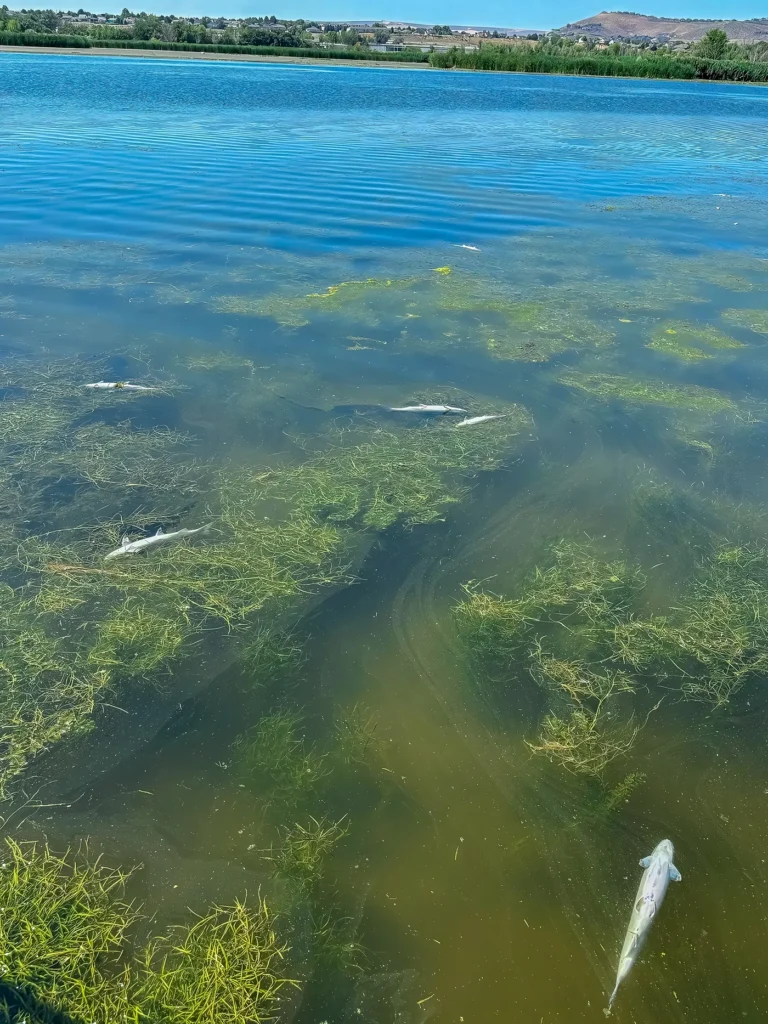
Warm water can also act as a thermal barrier, blocking fish passage and causing adult fish to stray or wait in cooler waters in the mainstem Columbia, decreasing their chances of successfully spawning.
Partners take action
This month, the Walla Walla District of the U.S. Army Corps of Engineers (USACE), Yakama Nation Fisheries, the Washington Department of Fish and Wildlife (WDFW), and the Mid-Columbia Fisheries Enhancement Group are working together to begin removal of the Bateman Island causeway. This work will improve fish passage, spawning habitat, water quality, and water movement. The collaborative effort began years ago with planning and public engagement. A feasibility study and environmental assessment were finalized in October 2024.
Project partners also led the removal of an upriver marina in August 2025, which eliminated an artificial habitat that was supporting a growing population of predatory, non-native fish. This resolved another problem for salmon in the river delta. The project included compensation to the marina owners through a fair market appraisal process and for the decommissioning of the facility.
On Nov. 7, the USACE, in partnership with WDFW, the Yakama Nation, the Washington State Department of Ecology, and the Mid-Columbia Fisheries Enhancement Group, awarded a $1.2 million contract to Pipkin Incorporated for the causeway removal. Excavation of the causeway is slated to begin as early as Jan. 5. The USACE has developed and will implement a water quality monitoring plan during and post-construction
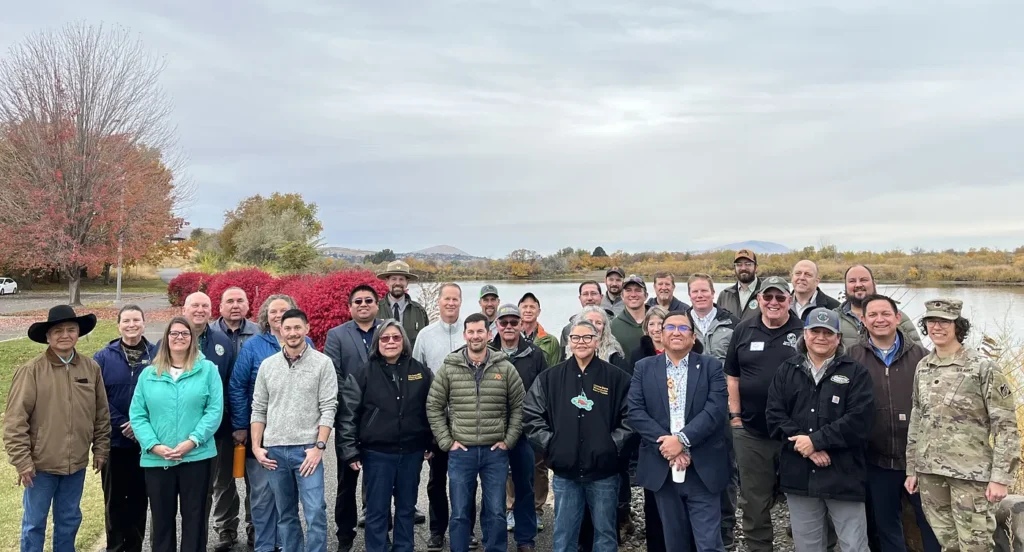
“Mid-Columbia Fisheries Enhancement Group has been proud to work alongside regional partners for nearly 15 years — including early collaborators at the Yakima Basin Fish and Wildlife Recovery Board, Yakama Nation, and the Benton Conservation District — to elevate water quality and fish passage priorities in the lower Yakima River,” said Margaret Neuman, Executive Director of Mid-Columbia Fisheries Enhancement Group. “Restoring the Yakima River Delta is critical for the recovery of salmon, steelhead, and lamprey throughout the Yakima Basin. We are grateful to see the long-planned removal of the Bateman Island causeway move forward, restoring natural river processes, improving water quality, and supporting healthy fish migration throughout the system.”
Cultural significance of Bateman Island
Bateman Island and the Yakima and Columbia rivers are culturally important to the Yakama Nation and the Confederated Tribes of the Umatilla Indian Reservation. The broader community is also invested in this project, which was developed with extensive public input.
“This is a long-term collaborative effort, working together to get the process completed, working to get the permitting required, and working to also educate everybody, especially the local people near the island who are going to see changes in their area,” said Joe Blodgett, Yakama Klickitat Fisheries Project Manager and spokesperson for the Integrated Plan.
“The causeway and its resulting problems in the Yakima River are a high priority for Yakama Nation Fisheries’ staff,” Blodgett said. “The removal of the causeway is going to be a huge benefit for our first foods with the salmon returns and also to people living nearby who rely on clean, flowing water.”
Blodgett feels that “the removal of the causeway is a big win for many.”
“It is incredibly rewarding to see the years of collaboration come to fruition — the Yakama Nation taking the lead on fisheries, the Army Corps contracting out the excavation work, and WDFW co-managers supporting the coordination with Mid-Columbia Fisheries,” he said. It’s a great team with a lot of persistence to move through the long process to get here.”
The history of salmon in this area
Historically, the Yakima River was home to the second-largest salmon run in the Columbia River basin, behind only the Snake River. More than 800,000 salmon return to spawn and die here every year, enriching the river and the surrounding landscape.
Mike Livingston, WDFW’s south-central Washington regional director, states, “The Bateman Island causeway creates a bottleneck for salmon in the Yakima River delta and compromises our restoration work upriver, such as the major fish passage facility being built at Cle Elum Dam. The success of the causeway removal project will magnify benefits to the whole Yakima River system for salmon.”
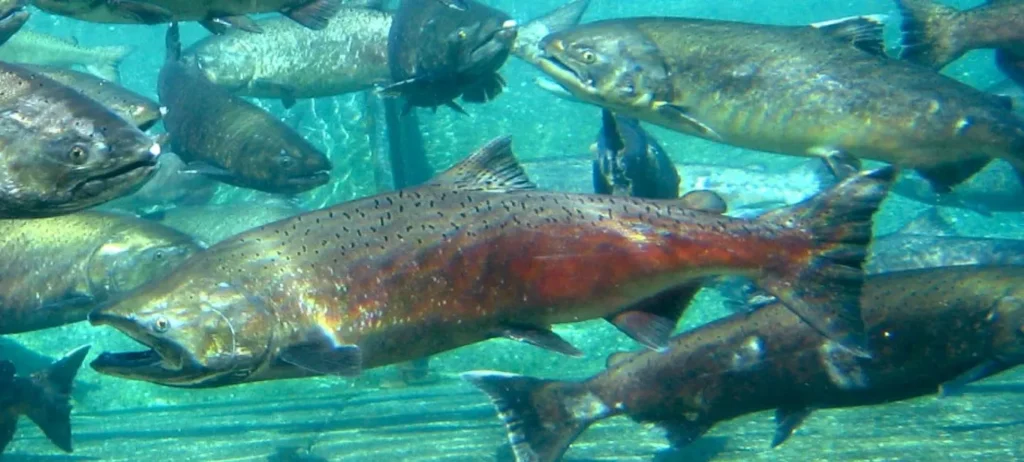
Several salmon stocks have recently been reintroduced or supplemented into the Yakima River through collaboration between Yakama Nation and many other state and federal agencies. These include sockeye, coho, fall, spring, and summer Chinook, steelhead, and Pacific lamprey.
The causeway removal will benefit these species, as well as birds, other species nearby that live on land, and other aquatic species native to the area. Additionally, the project will improve water quality and enhance recreational fishing opportunities.
A more friendly future for fish
Restoring fish passage at Bateman Island will open the Yakima River delta to a better home and future for salmon and steelhead.
Project partners are optimistic about the health of the Yakima River delta as they look forward to continuing collaborations to nurture strong salmon runs and new recreation opportunities for locals and visitors to the area.
“As commander of the Walla Walla District, I am proud to be part of this effort to return the Yakima River delta to its natural state,” said Lt. Col. Kathryn Werback of USACE. “The island causeway blocks the river’s course, which has significantly impacted critical habitat for culturally significant fish for a long time. Removing it will begin reversing that harm through a restoration effort made possible by our strong partnerships with WDFW, the Yakama Nation, and Mid-Columbia Fisheries.”
Other partners
Additional stakeholders and tribal nations supporting the causeway removal include the Washington departments of Ecology and Natural Resources, the U.S. Environmental Protection Agency, NOAA Fisheries Service, the U.S. Fish and Wildlife Service, the cities of Richland and Kennewick, the Confederated Tribes of the Umatilla Reservation, Resources Legacy Fund, Roza and Kennewick Irrigation Districts, and outdoor enthusiasts. Trout Unlimited served a key role in the removal of the Columbia Park Marina, and the Benton Conservation District and the Yakima Basin Fish and Wildlife Recovery Board were early, critical partners in project identification and development.
The causeway removal is part of the Yakima Basin Integrated Plan, a coalition of local, state, and federal agencies, the Confederated Tribes and Bands of the Yakama Nation, and non-governmental environmental organizations that are collaborating on projects to benefit farms, fish, and communities in the Yakima River Basin.
The Integrated Plan, the USACE, the Department of Ecology, and the Washington Salmon Recovery Funding Board provided state and federal funding for the causeway removal. Yakama Nation also secured a grant from NOAA that funds fish passage improvements in the Yakima River delta.
See the causeway removal project in real time from the City of Richland’s time lapse footage.
Let's stay in touch!
We’re hard at work in the Northwest for rivers and clean water. Sign up to get the most important news affecting your water and rivers delivered right to your inbox.