What Does FEMA Do?
Understanding the role of the Federal Emergency Management Agency
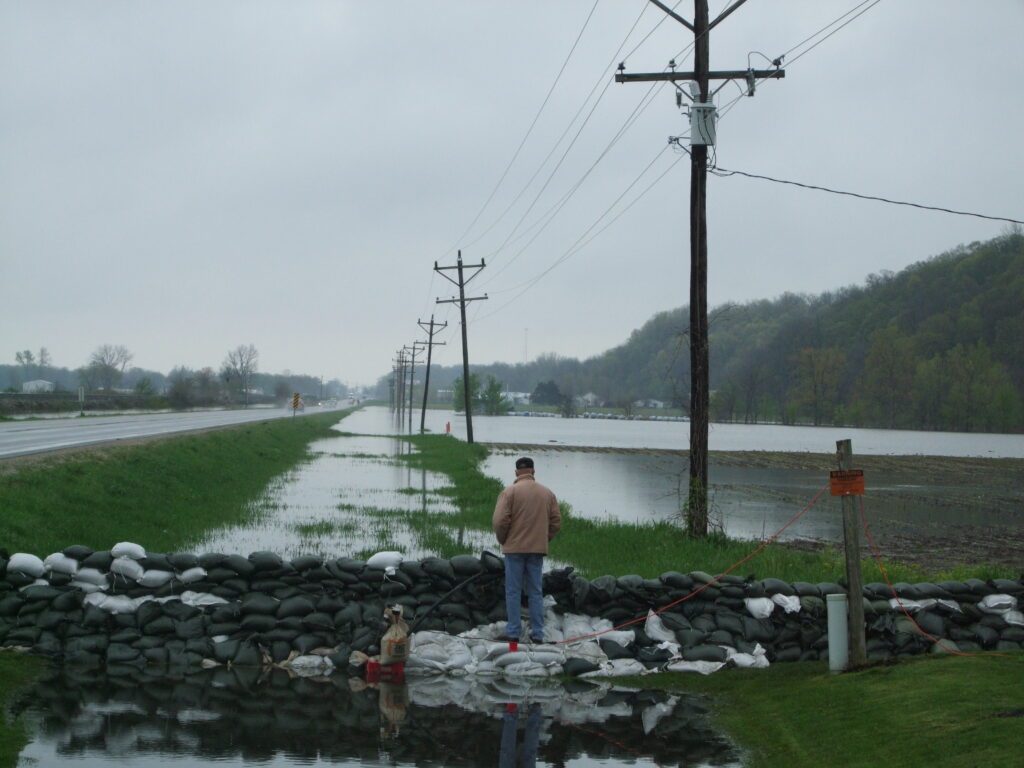
When a major natural disaster strikes, local and state officials often turn to the federal government for assistance in preparing for extreme weather events and rely on it afterwards to help with the clean-up and recovery efforts.
Since 1979, the branch of the federal government responsible for this has been the Federal Emergency Management Agency, also known as FEMA. Originally formed under an executive order by President Jimmy Carter, FEMA is tasked with helping Americans before, during, and after a disaster.
Before an event
Before a disaster, FEMA helps communities and individuals prepare for an anticipated disaster with regular training, engagement, and education, so state and local officials are prepared to handle the event, evacuate people, and keep the community as safe as possible under difficult conditions.
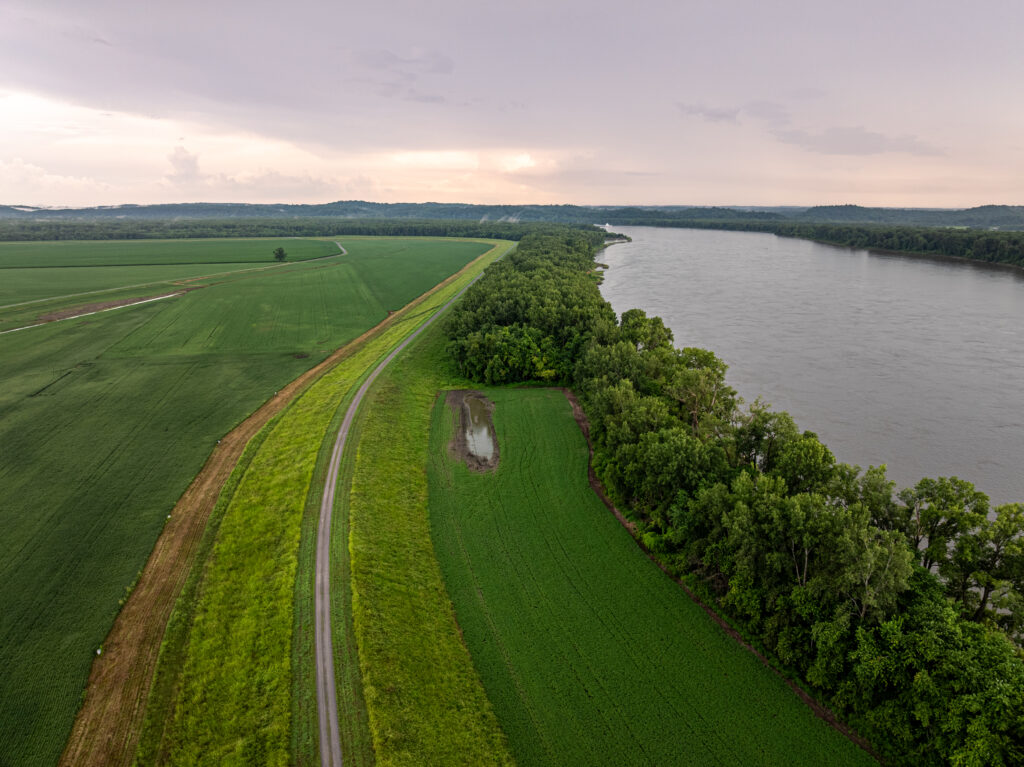
This includes actions like knowing the flood risk in your neighborhood and, if your property sits in a FEMA flood zone, having flood insurance through the National Flood Insurance Program (NFIP), which is administered by FEMA. The agency also works with local and state planners to consider floodplain management to help reduce the risk of flooding to adjacent communities.
FEMA provides grants and other programs to help make communities more resilient to natural disasters, as well as offer training and educational tools to local and state emergency managers so everyone is prepared with the latest technology and best practices to respond to extreme weather events.
Help End the Cycle of Dangerous Flooding
Floods belong in rivers. American Rivers rehabilitates river ecosystems to support healthy communities. Join the effort to restore rivers and protect our communities from flooding.
During the disaster
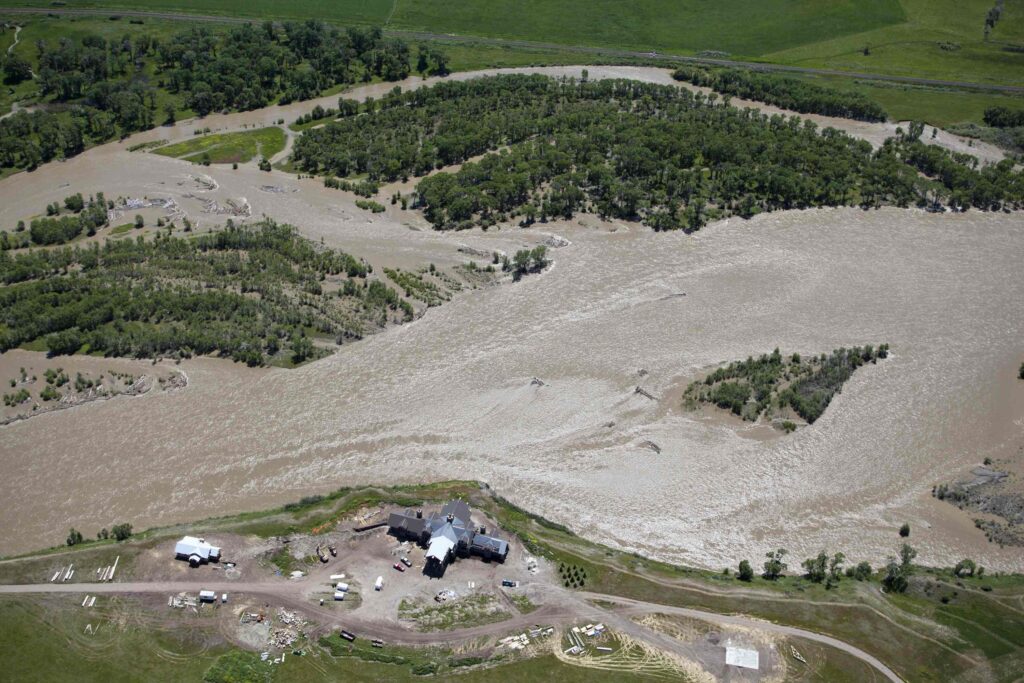
During a disaster, if the damage is significant enough to qualify for federal assistance, a governor or a tribal leader can apply for a Presidential disaster declaration. Once the sitting president approves a disaster declaration, FEMA coordinates with local and state leaders on providing the necessary assistance to support the recovery efforts.
In some instances, this may require FEMA to utilize the broader efforts of the federal government to support disaster response assistance, like requesting the U.S. Army Corps of Engineers to help with infrastructure assessments. In other cases, state authorities may have the appropriate help on the ground, but they need additional FEMA funds to ensure the work gets done, like overtime pay for local emergency responders and debris cleanup.
Clean-up and recovery
After a disaster, FEMA is still available to provide public and private assistance to recover and rebuild. FEMA will often work with local leaders on developing a recovery framework so communities can get the physical help and financial support as fast as possible to return to business as normal. This could be in the form of temporary housing while structures are rebuilt, or making sure communities are reconstructed with techniques that are designed to mitigate future disasters. FEMA also processes flood-insurance claims from homeowners with policies through the National Flood Insurance Program, or NFIP.
The role of FEMA has evolved since it was first established in 1979. It continues to change as more responsibility has been placed on it, due to an increasing number of natural disasters that have caused significant economic damage in communities across the United States. There is a current push for states to take more accountability for disaster response, with FEMA playing a smaller role and pushing states to play a bigger role in paying for the disaster preparation, response, and recovery. At the moment, state capability to step up and lead in disaster management varies widely, so it is essential that FEMA remains well funded and rebuilds its staff to help all communities prepare for, respond to, and recover from floods and other disasters.